From mountain festivals to age-old crafts, step inside the customs and way of life that make Nuristan one of Afghanistan's most distinctive provinces.
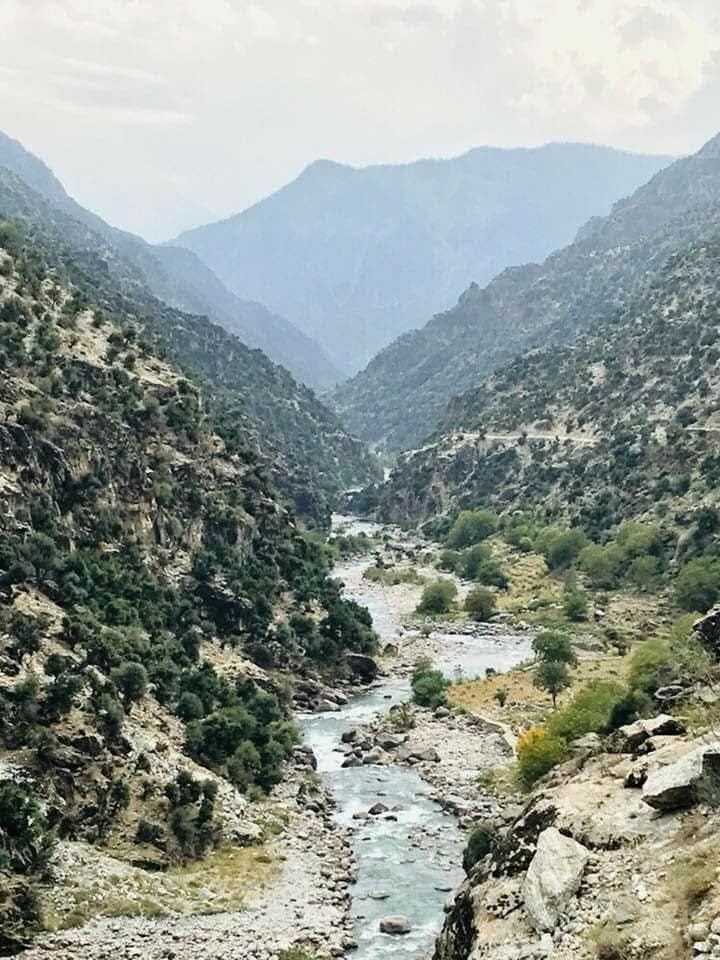
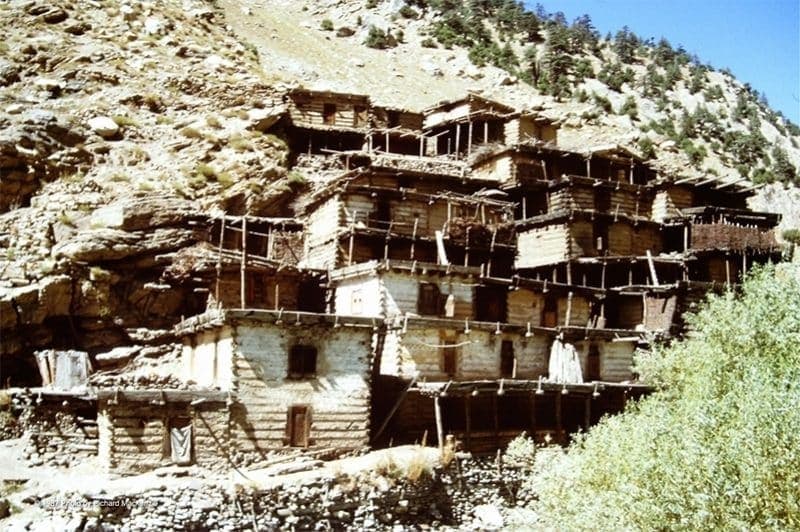
High in the eastern reaches of the Hindu Kush, where cedar forests climb towards snow-capped peaks, lies one of Afghanistan's most singular cultures. Nuristan is a province of steep valleys and stacked timber villages, of bright embroidery and ancient languages — a place that has guarded its identity across centuries of isolation. To explore its culture is to step into a world that feels at once timeless and wonderfully alive.
A people apart
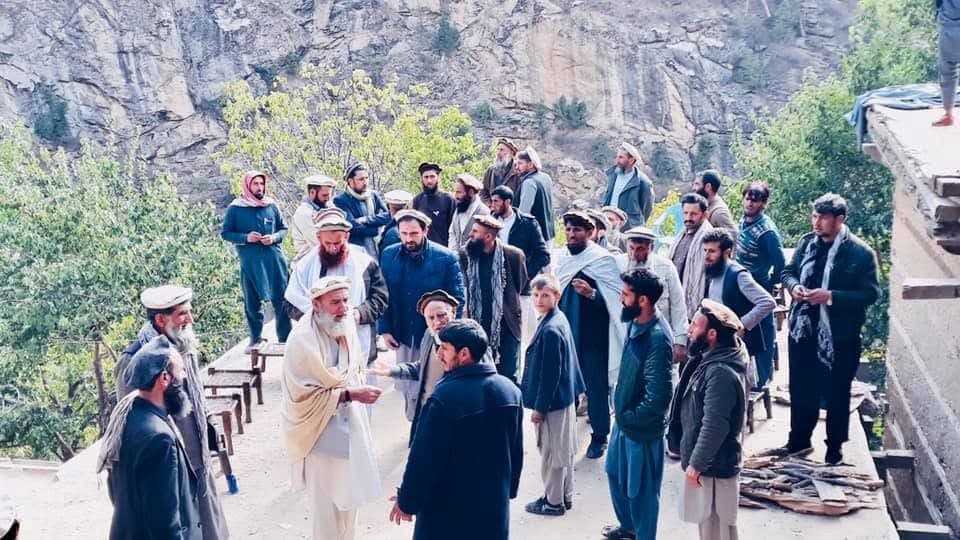
The Nuristani people are renowned across Afghanistan for their hospitality, resilience and fierce attachment to their mountains. Communities are tightly knit, organised around extended family and village, and bound by traditions of mutual support that have helped them endure in some of the country's most rugged terrain. Visitors are almost invariably struck by the warmth of their welcome — a cup of tea, a place by the fire, a share of whatever the household has.
Much of this distinctiveness owes to geography. Hemmed in by high passes and deep gorges, Nuristan's valleys developed in relative isolation, each nurturing its own dialect, dress and custom. The result is a cultural mosaic of remarkable density for so small a region.
Languages that survive in the valleys
Few things express Nuristan's separateness more clearly than its languages. The Nuristani tongues — among them Kamkata-viri, Kalasha-ala and Ashkun — form their own branch of the Indo-Iranian family, distinct from both the Iranian and Indo-Aryan groups around them. Passed down by speech rather than script, they are living archives of the region's history, and their survival is central to the survival of Nuristani identity itself.
Colour, craft and celebration
Nuristani dress is unmistakable: men in long tunics and shawls, women in vivid dresses and headscarves worked with intricate embroidery. The same artistry runs through the region's crafts — the carved cedar of its architecture, the hand-woven wool of its rugs, the soft rolled pakol hats that have become a symbol of the mountains far beyond Afghanistan's borders.
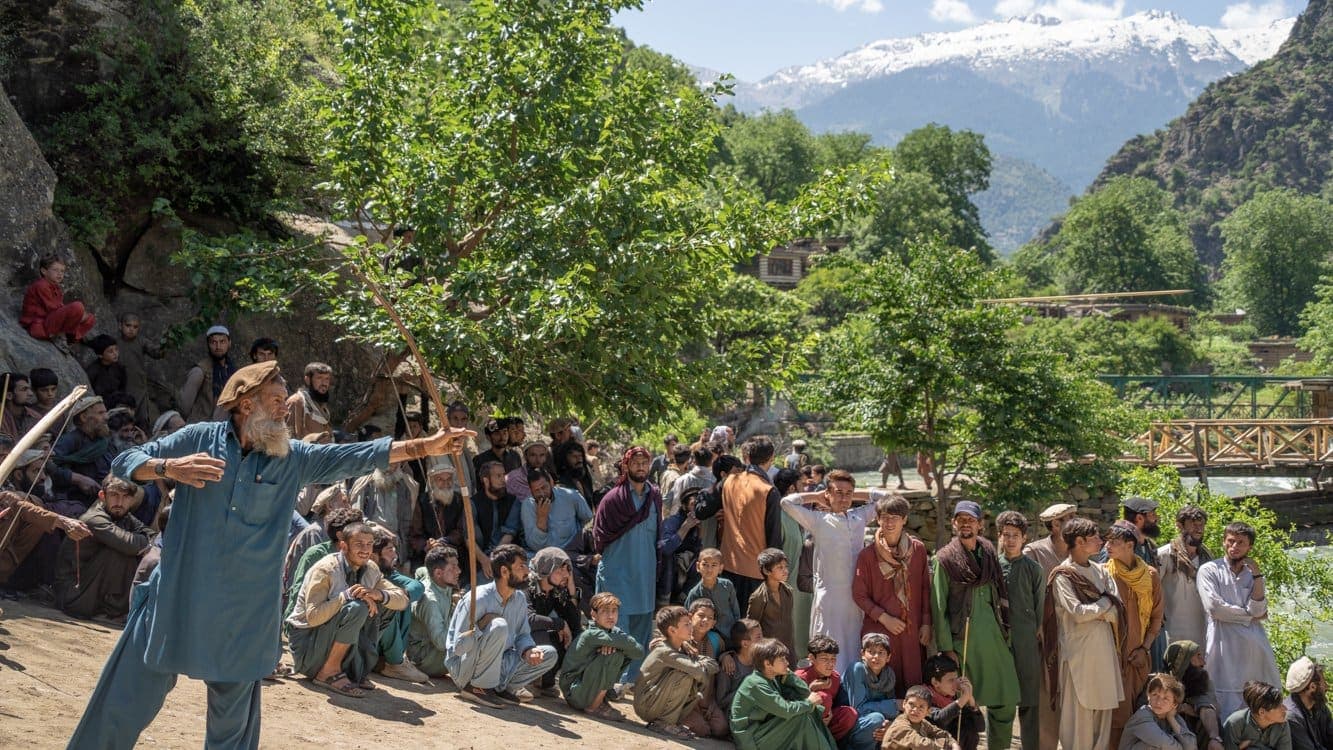
Community life follows the rhythm of the seasons. Harvests and festivals draw villages together for music, dance and storytelling, and it is in these gatherings — an elder reciting before a circle of listeners, an archer drawing a long wooden bow — that the culture renews itself. Oral storytelling, in particular, carries history and moral instruction from one generation to the next.
To understand Nuristan, listen first: to its languages, its songs, and the stories told beneath its walnut trees.
A living heritage
What makes Nuristani culture so compelling is that it is not preserved behind glass. It is lived — in the daily walk to terraced fields, in the patterns stitched into a child's dress, in the hospitality offered to a stranger. For travellers willing to journey into the mountains with respect and a trusted local guide, Nuristan offers a rare encounter with a heritage that has refused to fade.