Skip to content
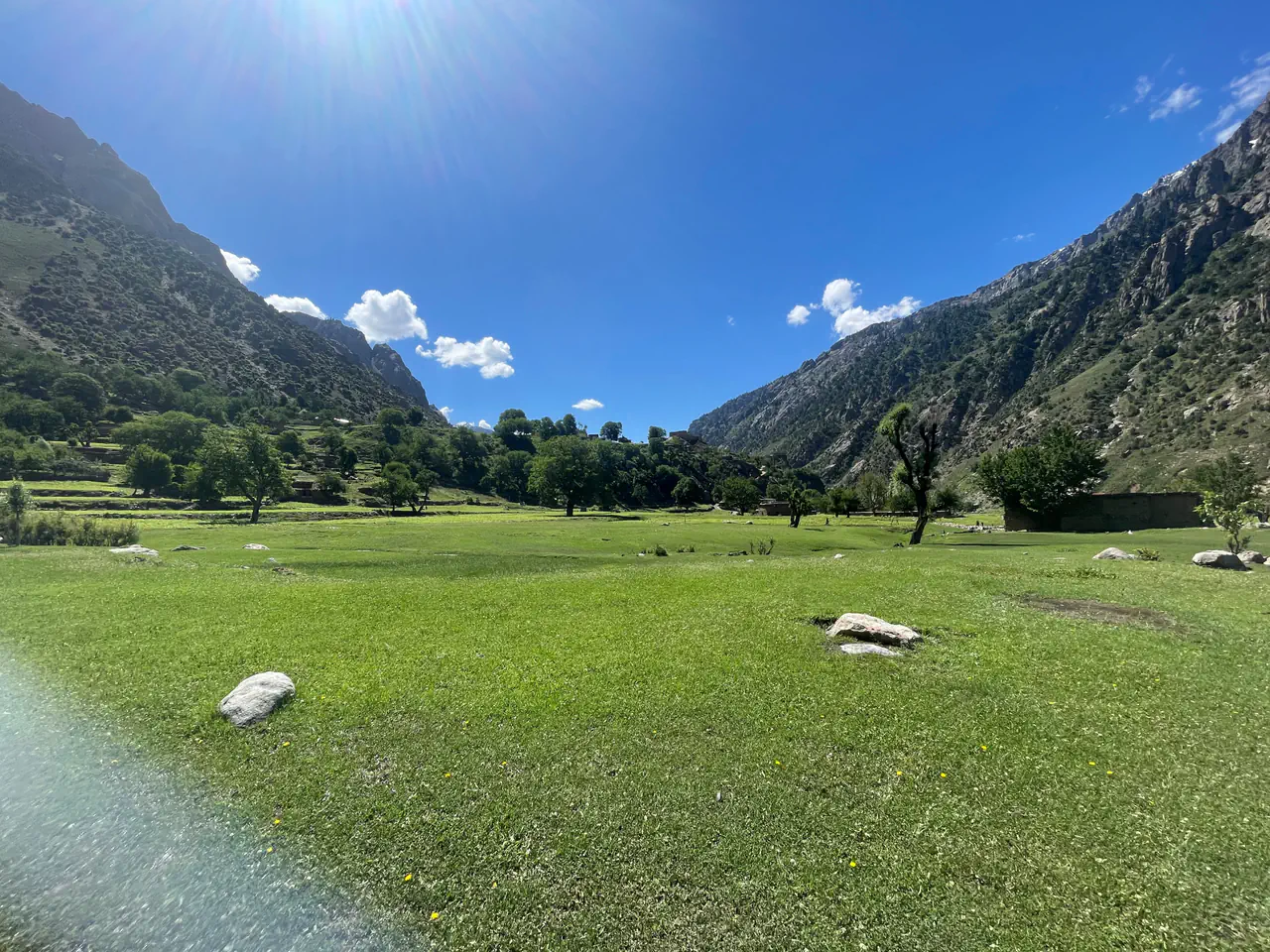
A green meadow scattered with boulders on the Kantiwa valley floor, trees and terraced fields at its edge, mountains rising on both sides
Opportunity

Invest in Nuristan: Forests, Farmland, Minerals

Forests, farmland, gemstones and early-stage minerals in a province that outside capital has barely reached. What is there, what it would take, and how we can help.

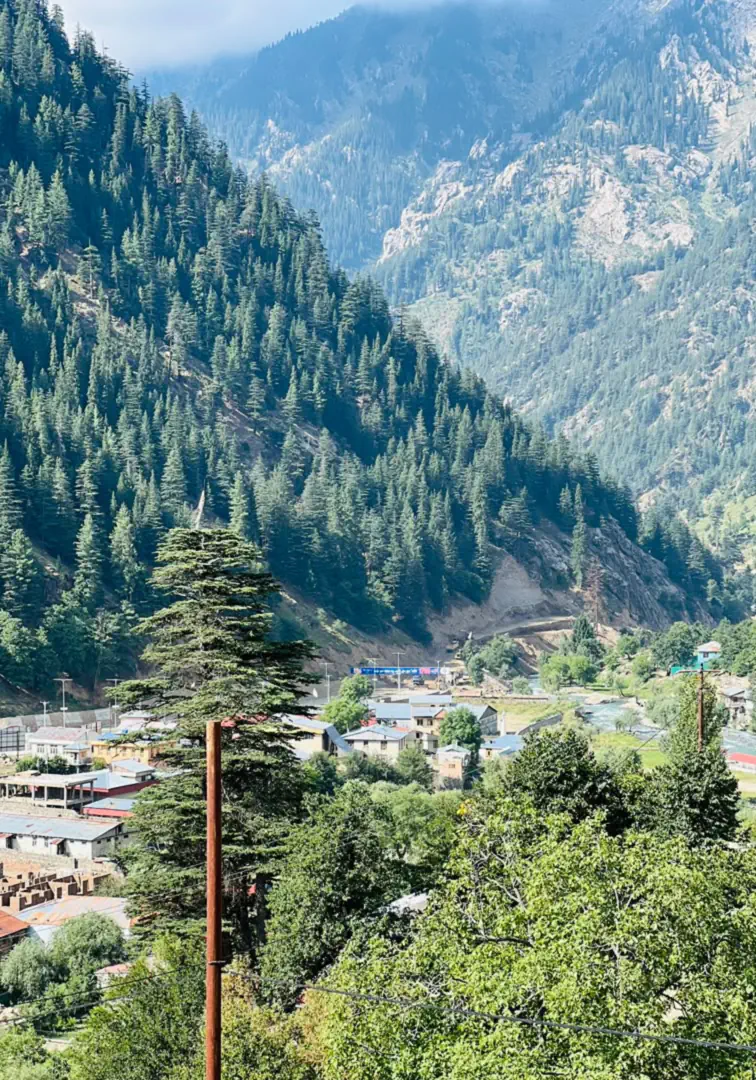
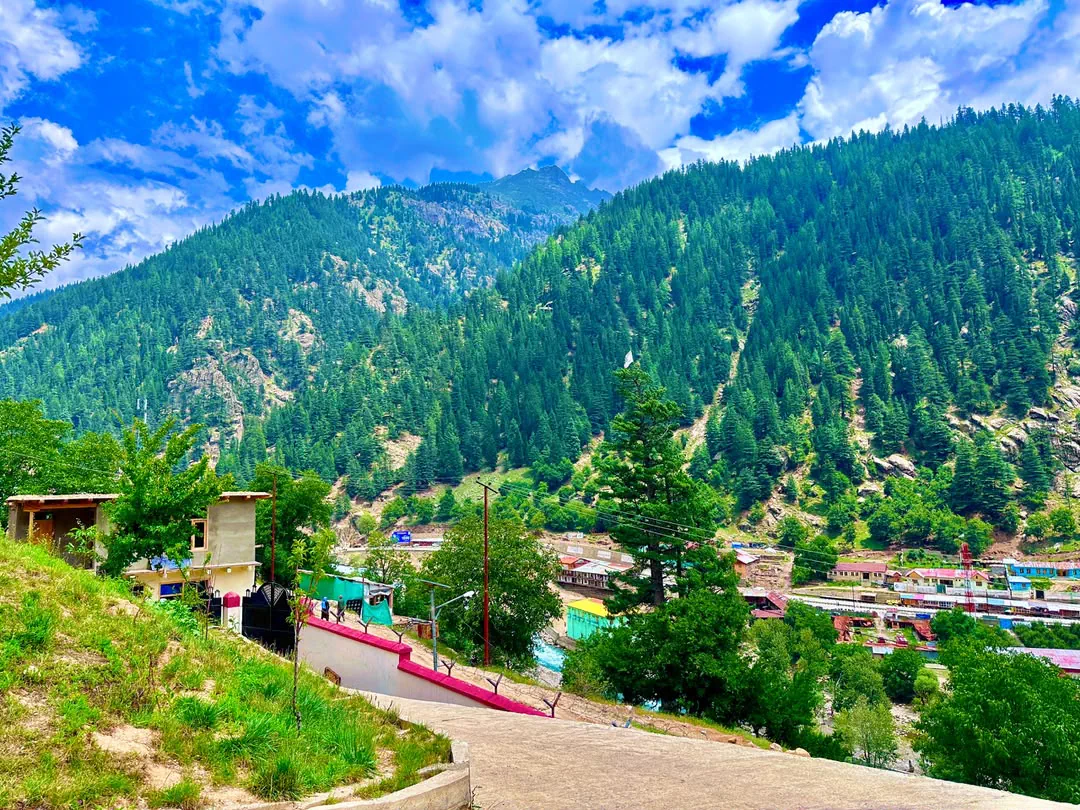
A road curving down to houses and shops on the valley floor in Parun, pine-forested mountains behind
The case

What Nuristan has, and what it lacks

Nuristan has things the world buys. Its pegmatites give gemstones whose rough now sells at provincial auctions for up to 122.5 million afghanis a sale; its walnuts, honey and dried morels already leave the valleys; and it has forests, rivers and terraced land. About 175,500 people live there on the 2024 estimate, and almost no outside capital has reached them.

It lacks most of what an investor takes for granted elsewhere: paved roads into most of the valleys, banks or cash machines, and published land titles.

What is there

What the province holds

Gemstones and the lithium in the same rock, the forests, and the farmland and food of the valleys, with what is known about each and what is not.

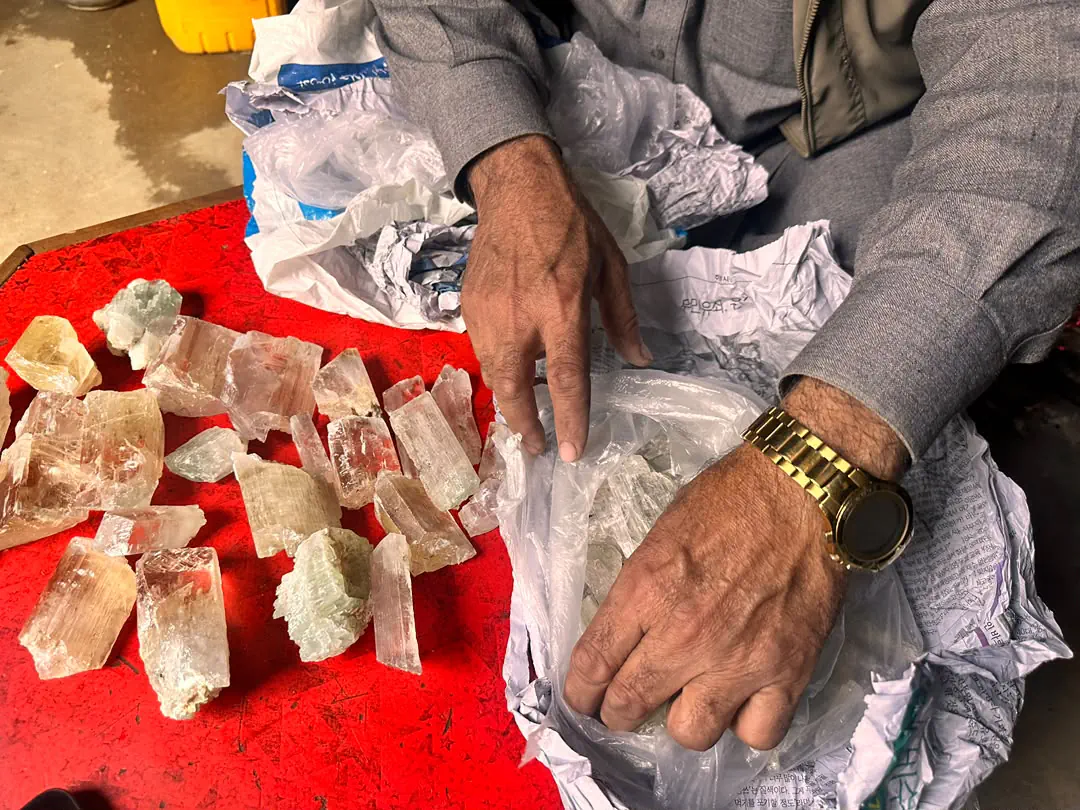
A supplier's hands unwrapping a parcel of rough spodumene from the Mawi mine in Nuristan, pale pink kunzite, colourless, yellow and pale green crystals laid out on a red table

Gemstones

Nuristan's pegmatites give tourmaline at Paprok, kunzite at Mawi and in Kantiwa, and aquamarine and morganite. Since late 2024 the province has sold rough by open auction, with about ten per cent going to the treasury. The largest sale so far, about two tonnes of kunzite with beryl and morganite from Mawi in September 2026, raised 122.5 million afghanis.
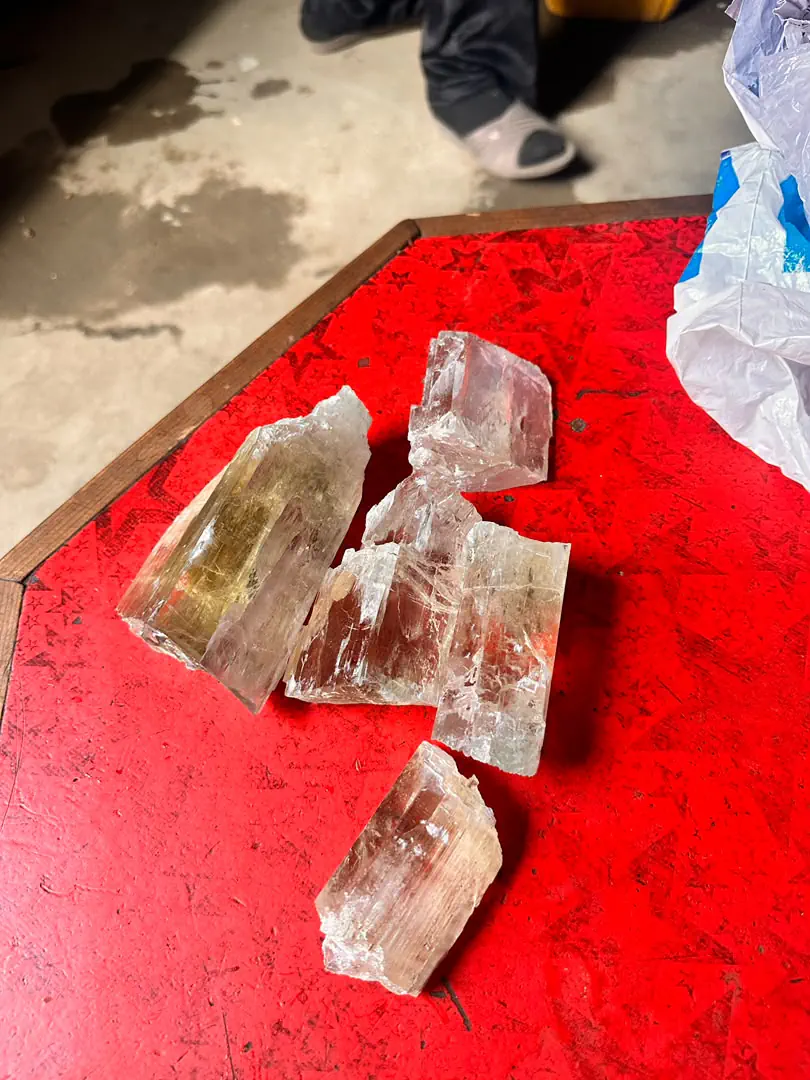
Six rough spodumene crystals from the Mawi mine in Nuristan on a red table: pale pink kunzite, colourless and golden yellow, each grooved along its length with etched, stepped ends

Lithium and rare metals

The same pegmatites carry spodumene, the lithium mineral whose pink gem form is kunzite, along with tantalum, niobium, caesium and tin. Soviet surveys of the 1970s estimated about 2.1 million tonnes of lithium oxide in six deposits. The figure comes from surface exposures, nothing has been drilled, and most of the fields have no road.

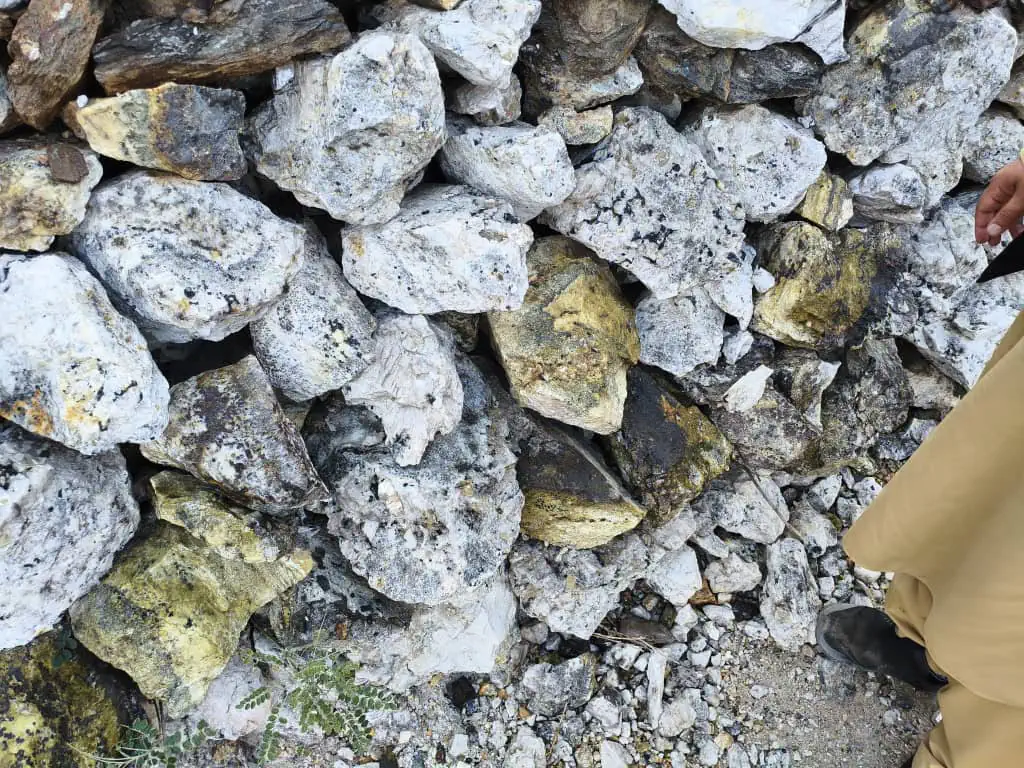
Pale rock speckled with black crystals and yellow-green stones on a slope in the Pashagar valley, Nurgaram, where the stones point to gemstones nearby

Mining today

Every tonne that has left the province in fifty years was dug by hand. Often the first sign is on the surface: in the Pashagar valley of Nurgaram, pale rock flecked with dark crystals tells people that stones lie close by. Mechanised mining would first need roads and power.

A village in Parun at the foot of a steep cedar-forested gorge, a tall deodar in the foreground

Forests

Nuristan and neighbouring Kunar hold most of the conifer forest left in Afghanistan: deodar cedar, pine, holly oak, fir and spruce. Much has been logged since the 1990s. What the forest gives without felling, morels, honey and pine nuts, already brings money into the valleys, and a national park was declared over much of it in 2020, though never gazetted.

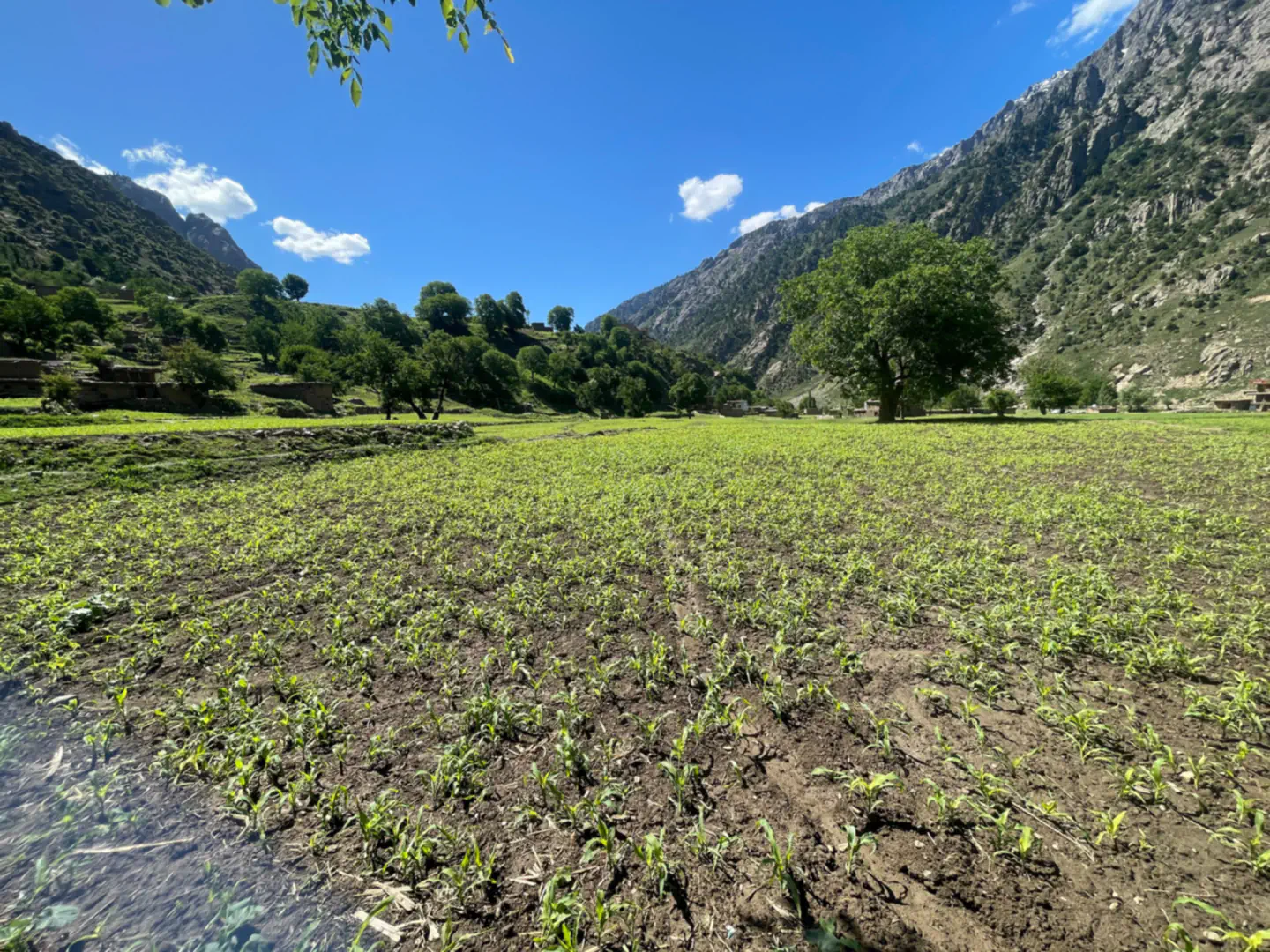
A field of young maize on the floor of the Kantiwa valley, a large tree and village houses beyond, steep rocky mountains under a blue sky

Farmland and water

The valley floors are terraced for wheat, maize and beans, with walnut, mulberry, apple and apricot trees along the fields, and four rivers run through the province. The plots are small, often no bigger than a room, and every field, pasture and wood belongs to someone, so any project starts with the village and its elders.

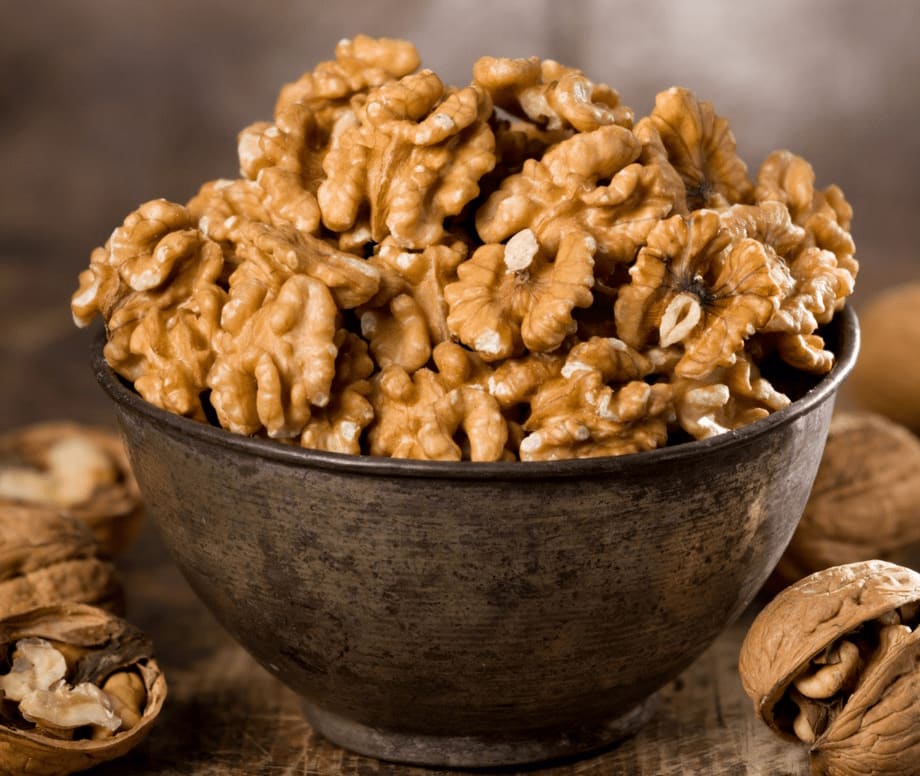
Freshly harvested walnuts

Food from the valleys

Walnuts are the province's best-known harvest, the honey of the Pech and Waygal valleys is on Slow Food's Ark of Taste, and dried morels already go abroad. Each is gathered by families in season and sold on through traders, so grading and packing near the source would keep more of the price in the valleys.

How we help

What we can do for an investor

We are not a fund and we do not hold assets. We are people from Nuristan with a team on the ground, and that is what we offer.

Introductions

To the landowners, growers, craft producers and mine holders you would need to work with, made by people they already know.

Local knowledge

Which valley, which season, which road. What a district can and cannot support, told plainly, before you spend money finding out.

A team on both sides

People in Afghanistan who work with growers, carvers and miners, and representatives in the United Kingdom, Europe and China, so a conversation started in London can be carried on in the valleys.

What we charge. We take no fee or commission on any investment, and never a share of one. We charge only for our time: research, travel and meetings.

Get in touch

Plan your Nuristan journey

Ready to plan a visit, source Nuristani products, or discuss an investment? Your message goes to Obaid, who is from Nuristan, and his team in Afghanistan and the UK. We reply to every message.