Nurgaram
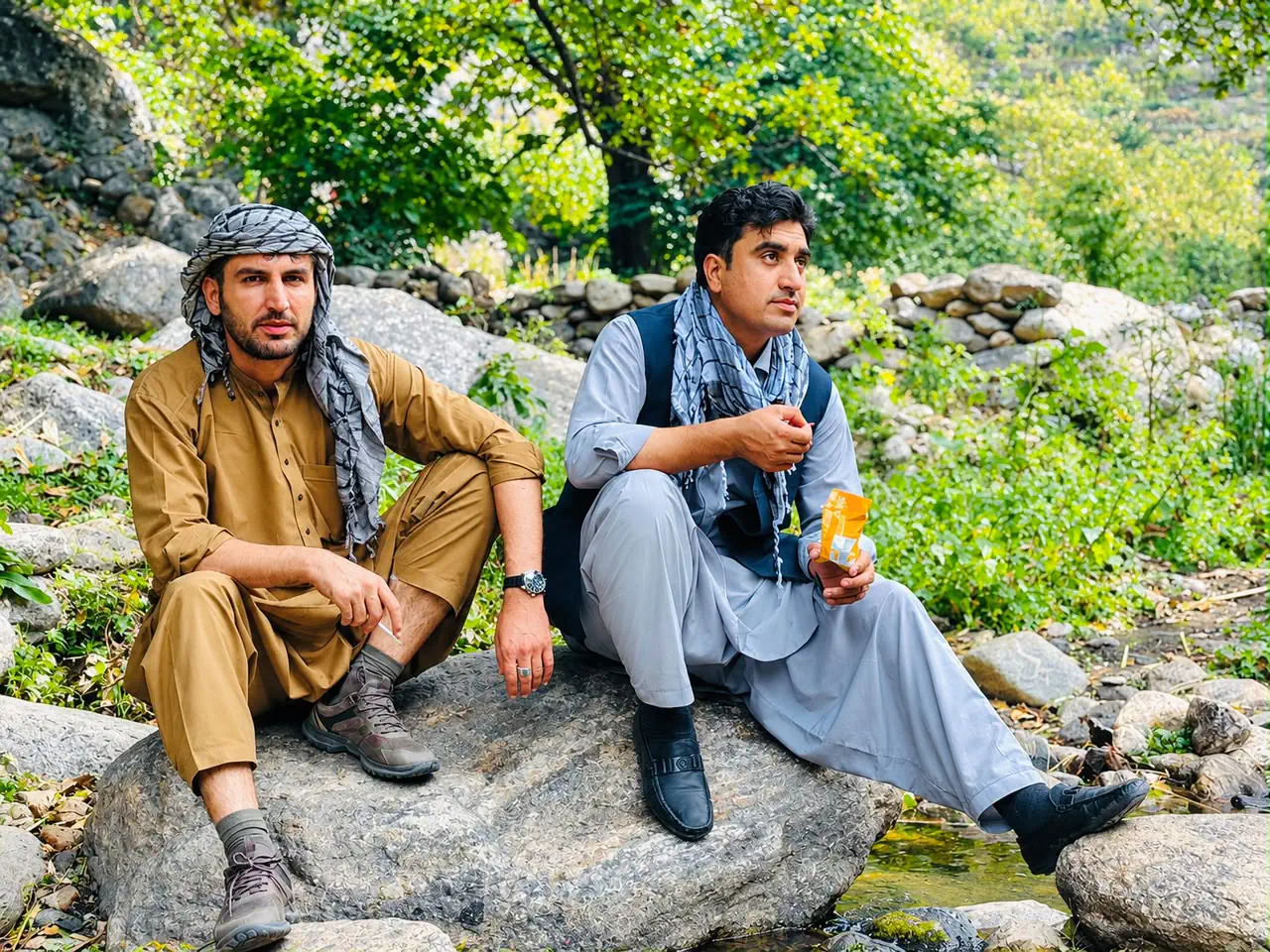
The lower Alingar, where the river leaves Nuristan for Laghman: the province's doorway from the west, and its most populous district.
About Nurgaram
Nurgaram is the province's doorstep from Laghman: the lower Alingar valley, where the river leaves Nuristan about forty kilometres north-east of Mehtarlam. The district centre is at the foot of the valley, close to the Laghman line, at about 1,000 metres, among the lowest ground in the province. The rest is mountain country, rising to ridges of more than 4,500 metres, with a third of the district above 3,000. Before the province was drawn this was the Nuristan district of Laghman; aid agencies in 2002 called it Nangaraj, and it took its present shape in 2004.
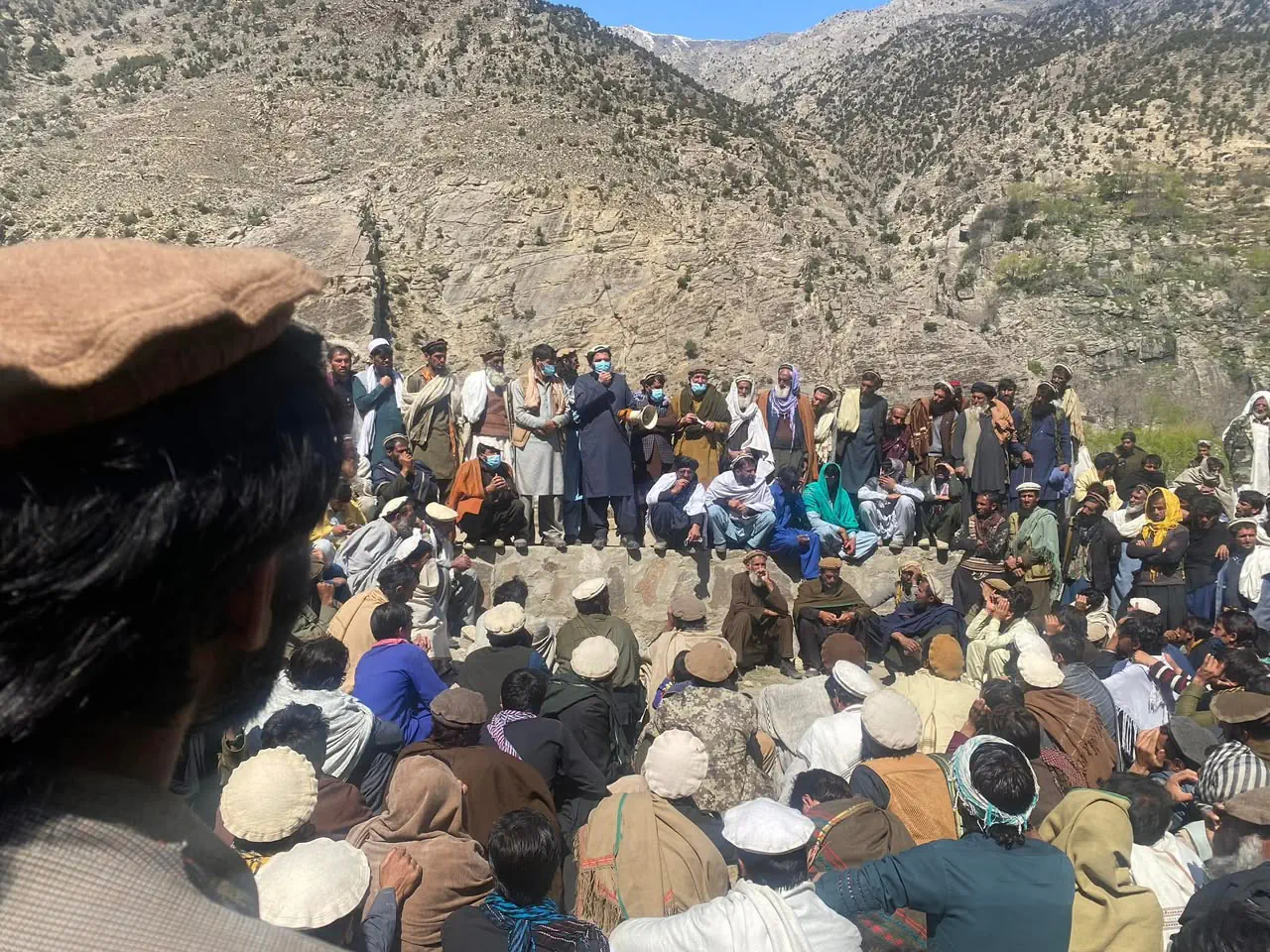
It is the most mixed of the ten districts, and with about 39,100 people the most populous. The main valley and the shorter valleys on its right bank, Pashagar, Sham and Korgal among them, are mainly Pashai-speaking, and the people of Malil and Mashpa, in a side valley of their own, are another Pashai community. On the left bank, the Kolatan and Titin valleys are Nuristani and speak Ashkun; the Kolatan clans call themselves Wamai, people of Wama, and the linguist Richard Strand traces their speech over the mountains from Wama. Pashtun and Gujar families live in the district too.
The Titin valley has a link to our own valley. Strand records that Ashkun speakers from Nakara in Titin moved east to the Pech and on into the lower Waygal valley, where they founded Nishigram and in time took up Waygali-ala. On the night of 18 February 2024 a landslide of earth, snow and rock swept through Nakre, the same village, killing about 25 people and destroying or badly damaging some 20 houses.
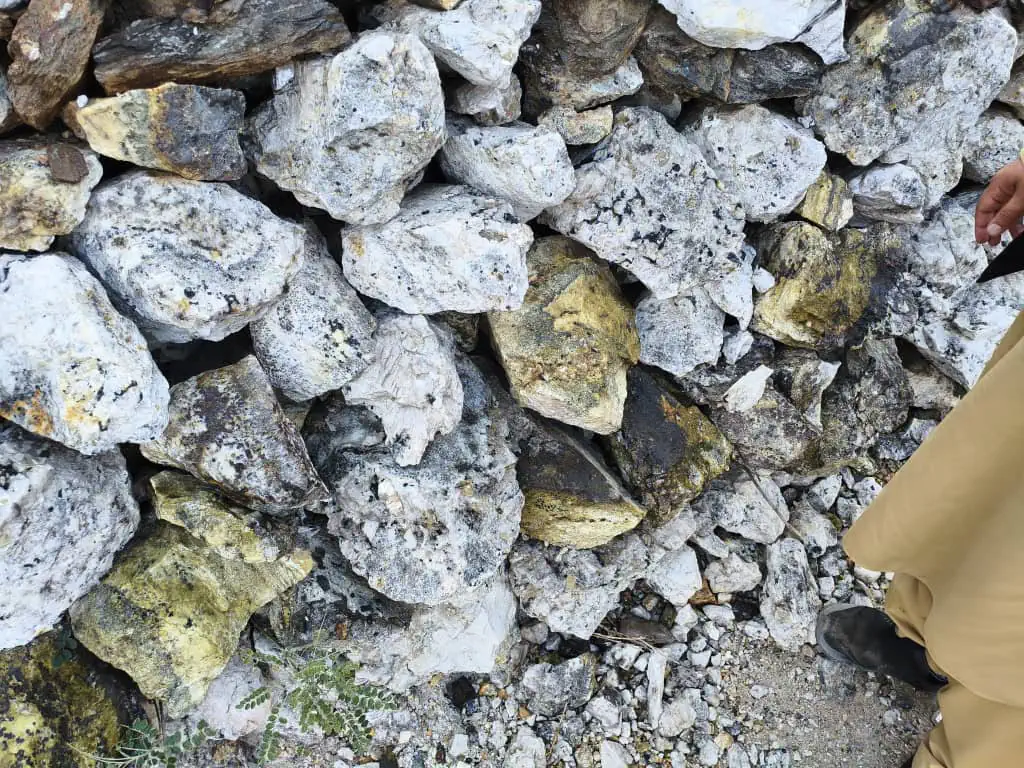
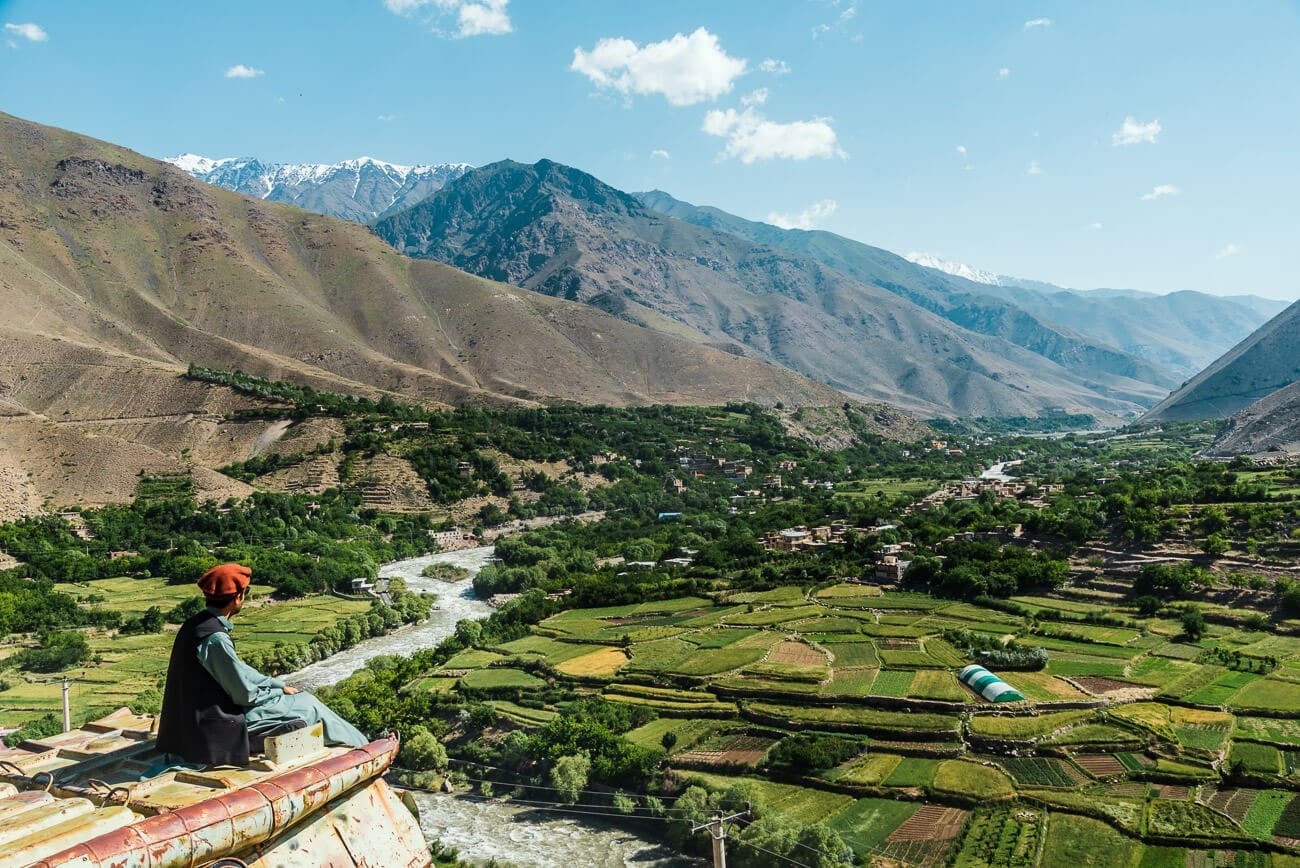
Farming is wheat, maize and beans, with goats and cattle, on less land than the families need: a 2009 survey found cropland short in every village it visited, and so much of the river is drawn off for irrigation that little water is left by the time it leaves the district. The side valleys are greener than the main road suggests, with holly oak and blue pine, walnut, wild almond and wild olive. In Pashagar, pale rock flecked with dark crystals lies along the slopes, and people there read it as a sign of gemstones in the mountain. About eight kilometres to the north, in the Korgal valley, three pegmatite veins have been worked by hand for green tourmaline, and in September 2025 five kilograms of beryl from Pashagar sold at the province's auction for 1.81 million afghanis.
The way in is from Mehtarlam, the capital of Laghman, about forty kilometres up the Alingar. From Nurgaram the road goes on to Du Ab and Mandol, but there is no direct road to Parun or the Pech: a road from the Titin valley over to Kordar in Wama was built once, and snow and floods destroyed it. People going to their provincial capital still go round through Laghman, Nangarhar and Kunar.
- Setting
- South-west Nuristan, the lower Alingar valley
- Population
- About 39,100 (2024 estimate), the largest
- People
- Pashai in the main valley; Ashkun in Kolatan and Titin
- Way in
- Up the Alingar from Mehtarlam
- Known for
- The doorway from Laghman, Korgal tourmaline
Other districts of Nuristan
Plan your Nuristan journey
Ready to plan a visit, source Nuristani products, or discuss an investment? Your message goes to Obaid, who is from Nuristan, and his team in Afghanistan and the UK. We reply to every message.