Skip to content
A village gathering beneath the mountains of Kamdesh, Nuristan
From the valleys

Nuristani Culture

History, society, building, dress, tradition and food: six things that make the province what it is, and where to read more on each.

Six things to know

What sets Nuristan apart

Until 1896 Nuristan was Kafiristan, and the conquest by Amir Abdur Rahman changed its faith and its name. Much of the rest carried on: the languages, the tiered villages and their carving, the feasting and the archery. The six sections below take each part in turn, with a link to the page that tells it in full.

This page is about the culture; our article on who the Nuristani people are covers where they live, their tribes and their origins.

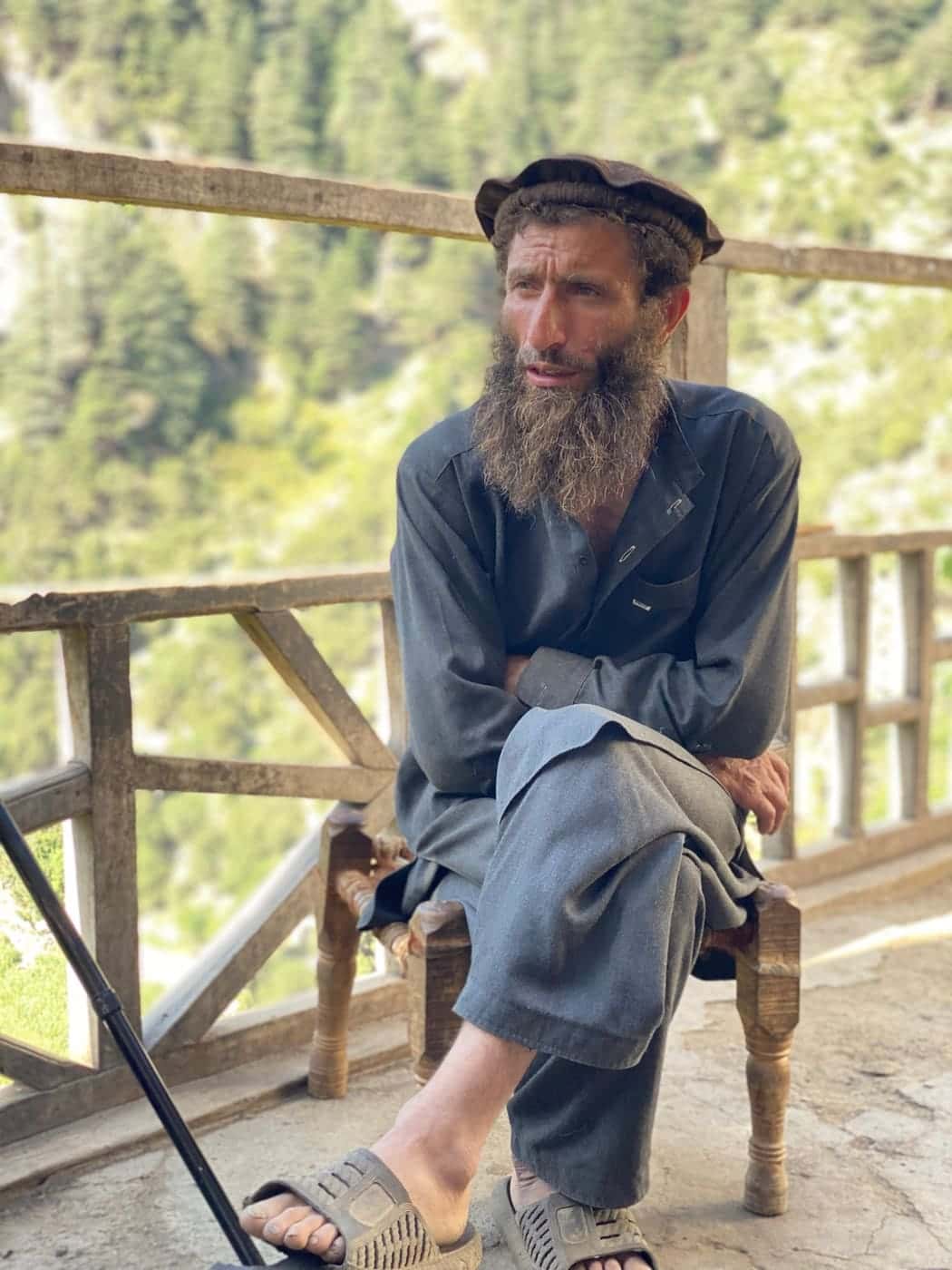
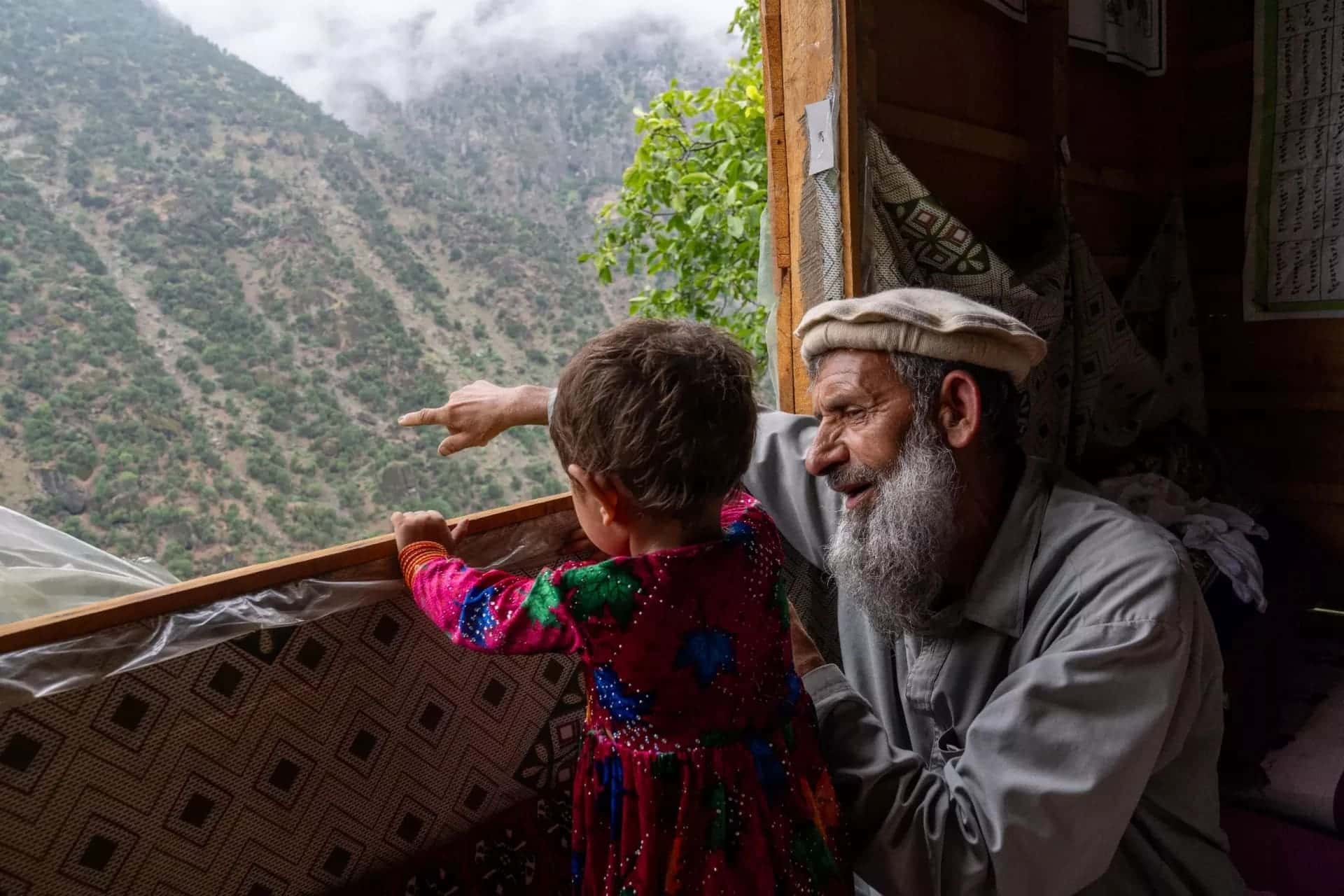
An elder seated on a hand-turned wooden stool on a timber veranda
01

History

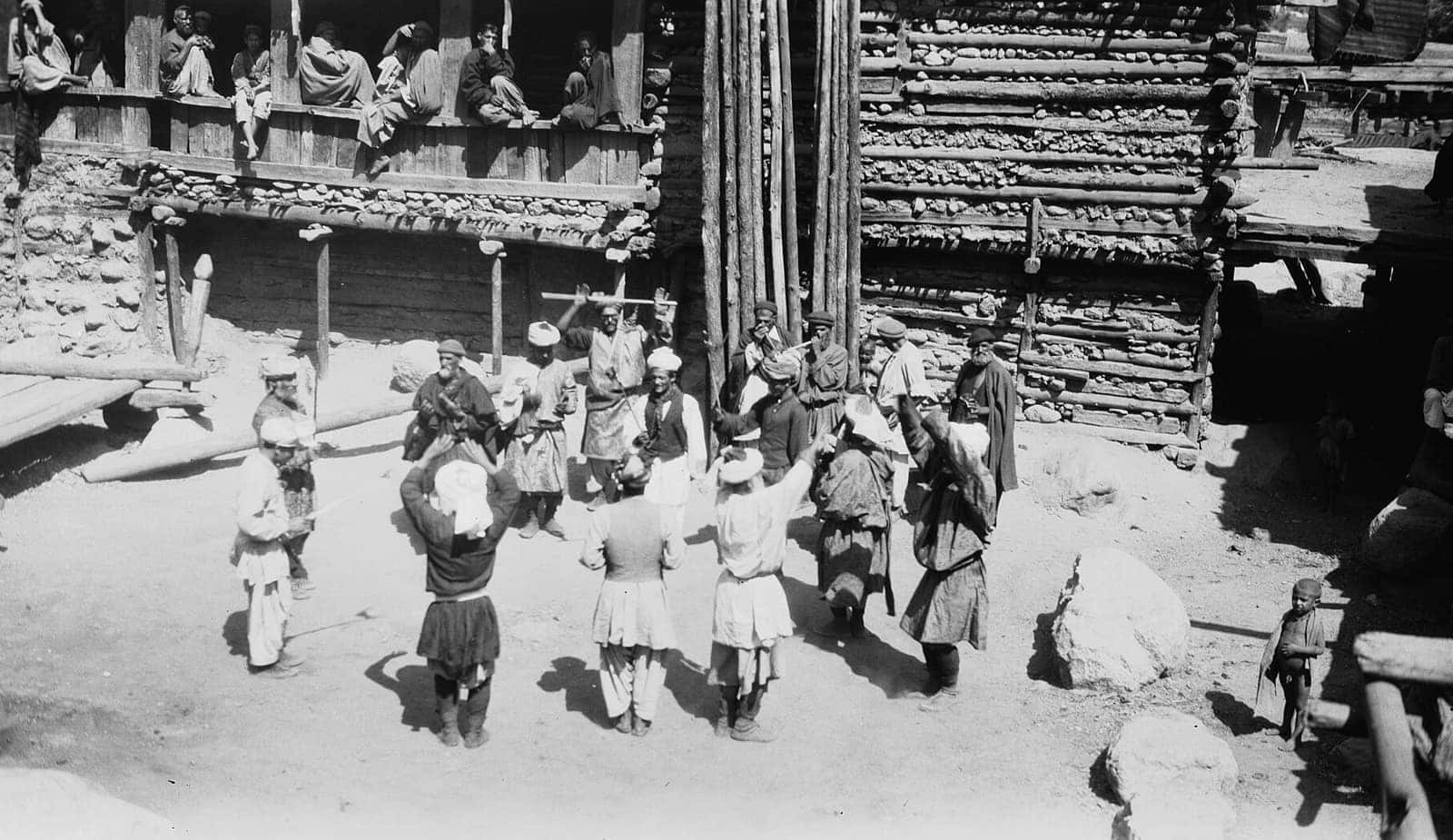
For a thousand years the valleys were Kafiristan, the land of the unbelievers to their Muslim neighbours, with a religion of many gods, carved wooden shrines and feasts of merit. Amir Abdur Rahman's army took the valleys in the winter of 1895 to 1896, the people were converted to Islam, and the country was renamed Nuristan, the land of light. It first became a province in the 1980s and was enlarged in 1993.

Read the full history of Kafiristan
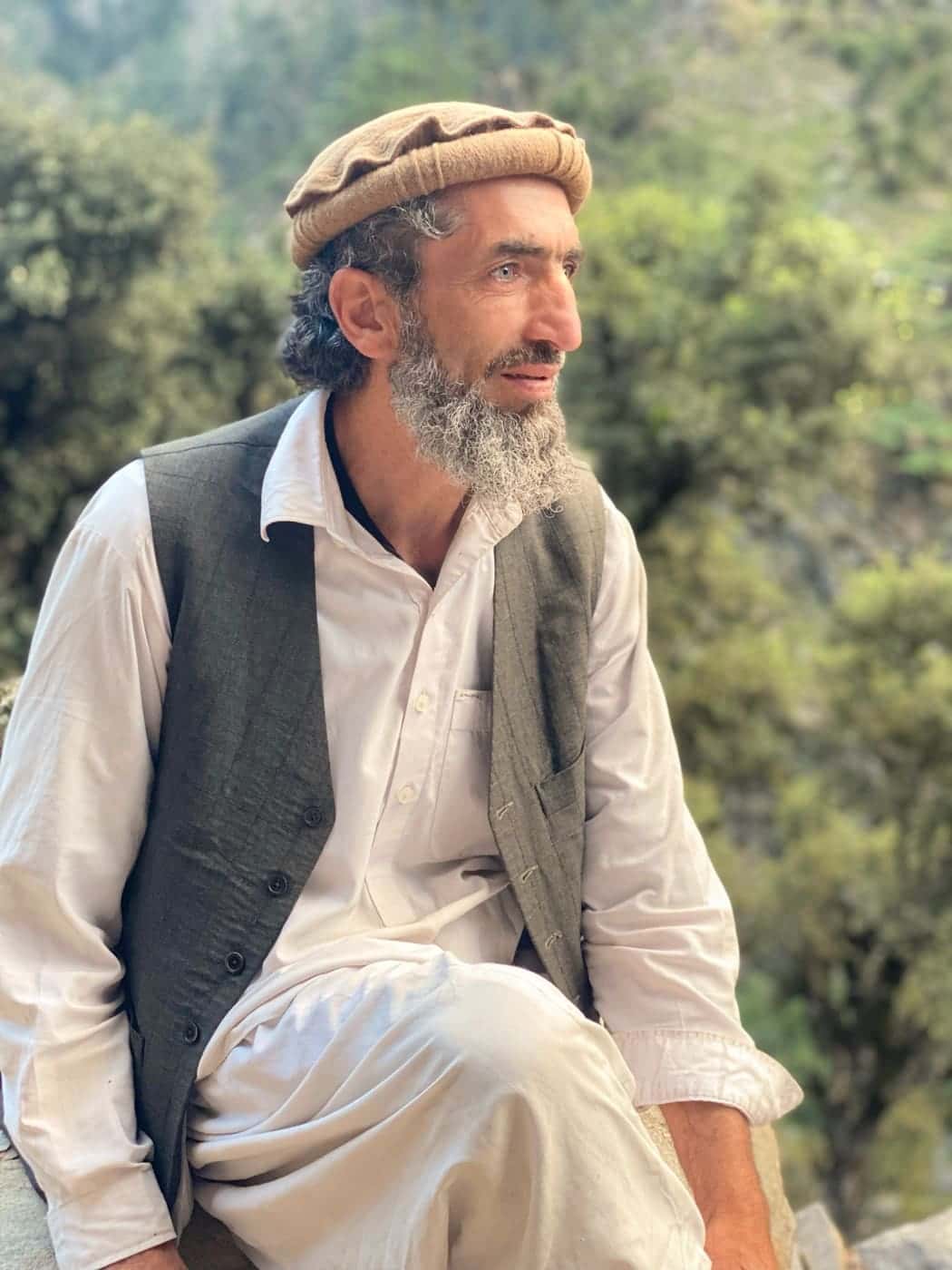
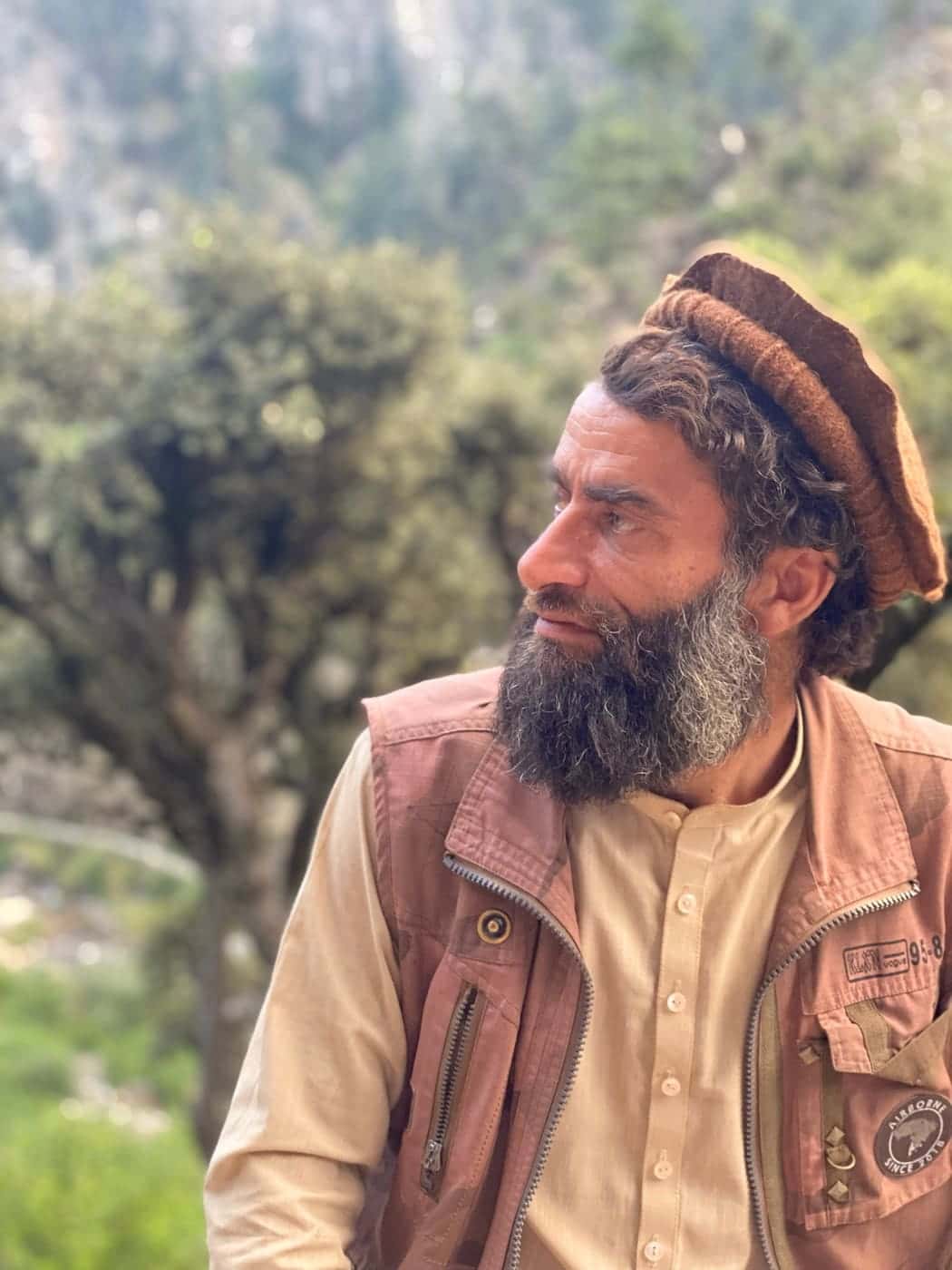
A grey-bearded man in a tan pakol and grey waistcoat, forest behind him
02

Society

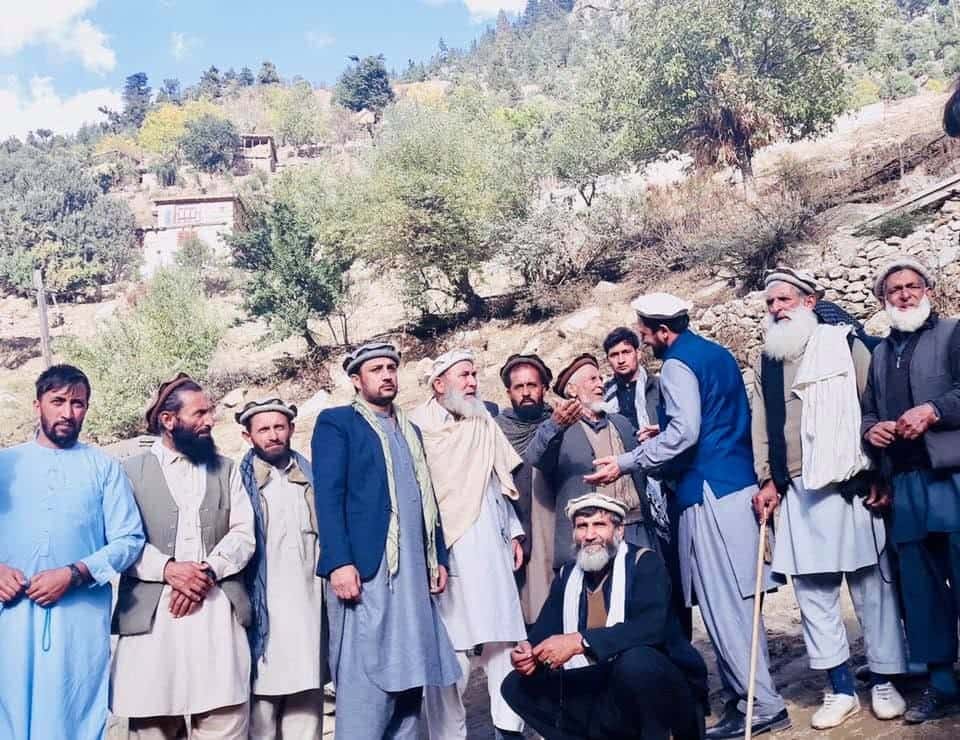
The village is the unit that matters in Nuristan. Each has its clans, its elders and its council, the jirga, which still settles disputes over land, water and honour. In Kafiristan a man rose by feasting his whole village, and generosity to a guest is still a matter of honour: the guest is fed before the family, and a promise of protection is kept. Traditionally the men keep the herds and take them to the high pastures in summer, while the women farm the terraces.

Who are the Nuristani people? Origins, faith and daily life
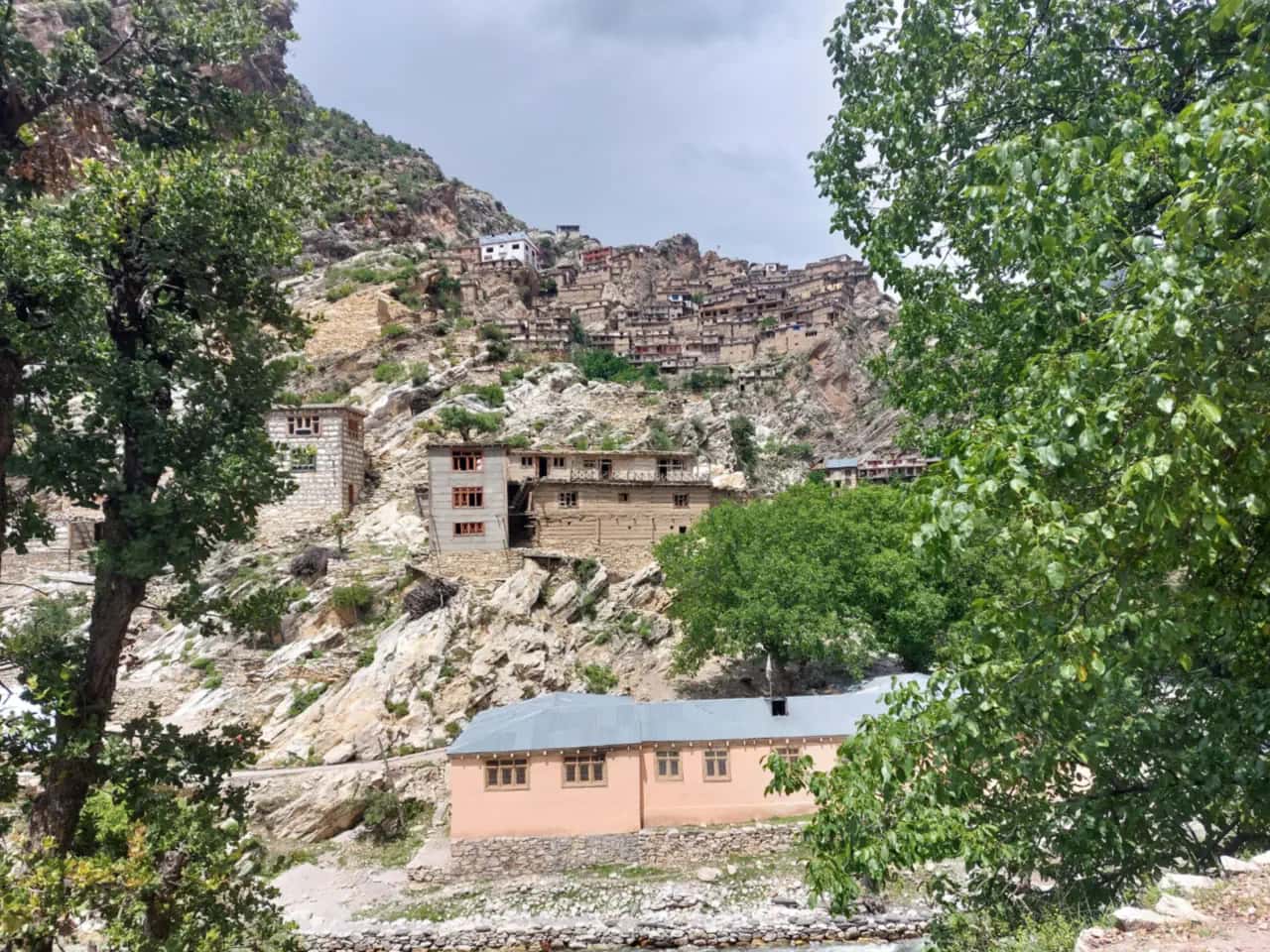
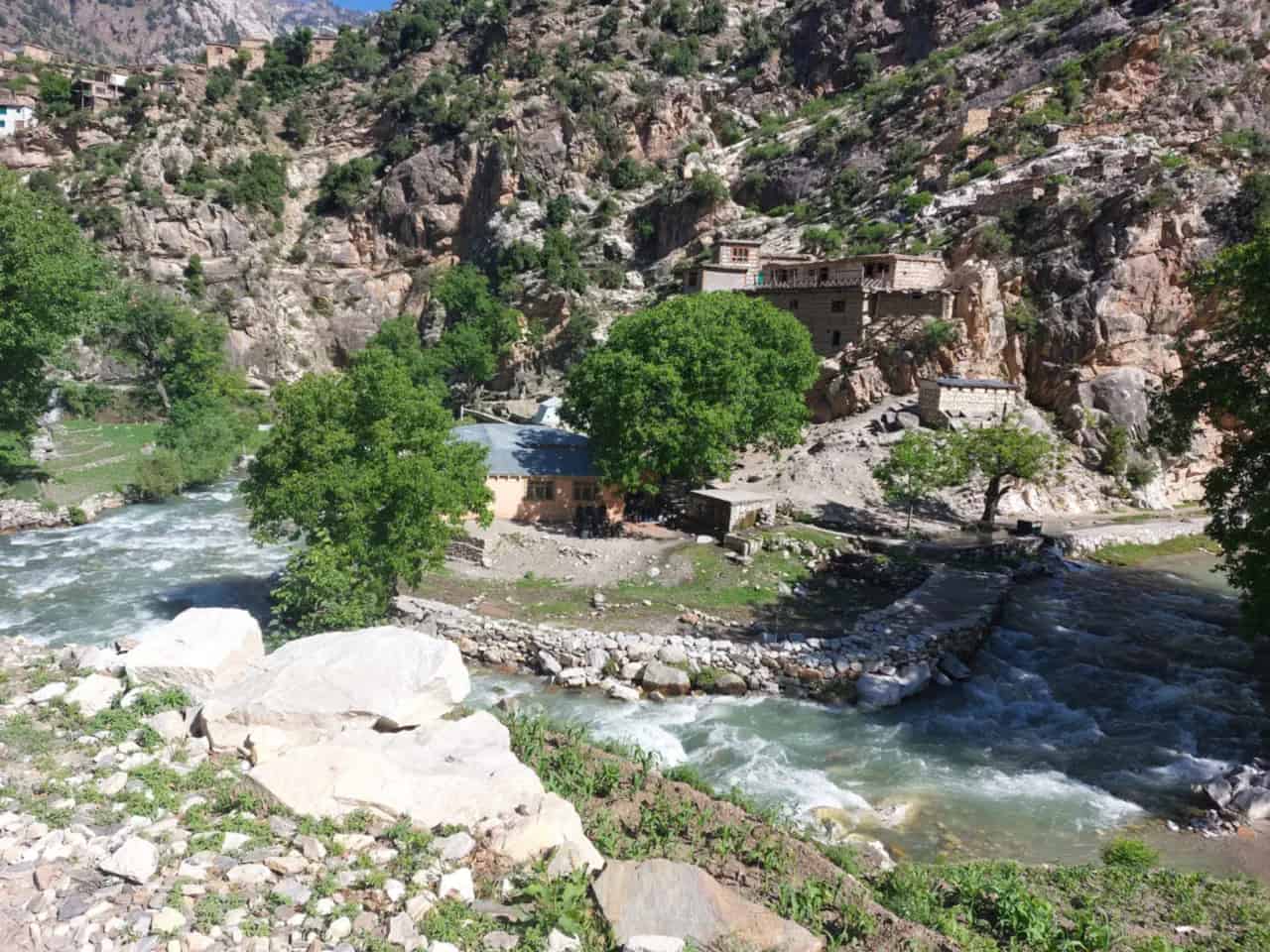
Stone and timber houses stacked up a rocky hillside in Waygal, a pink-walled building with a blue roof below among trees
03

Architecture

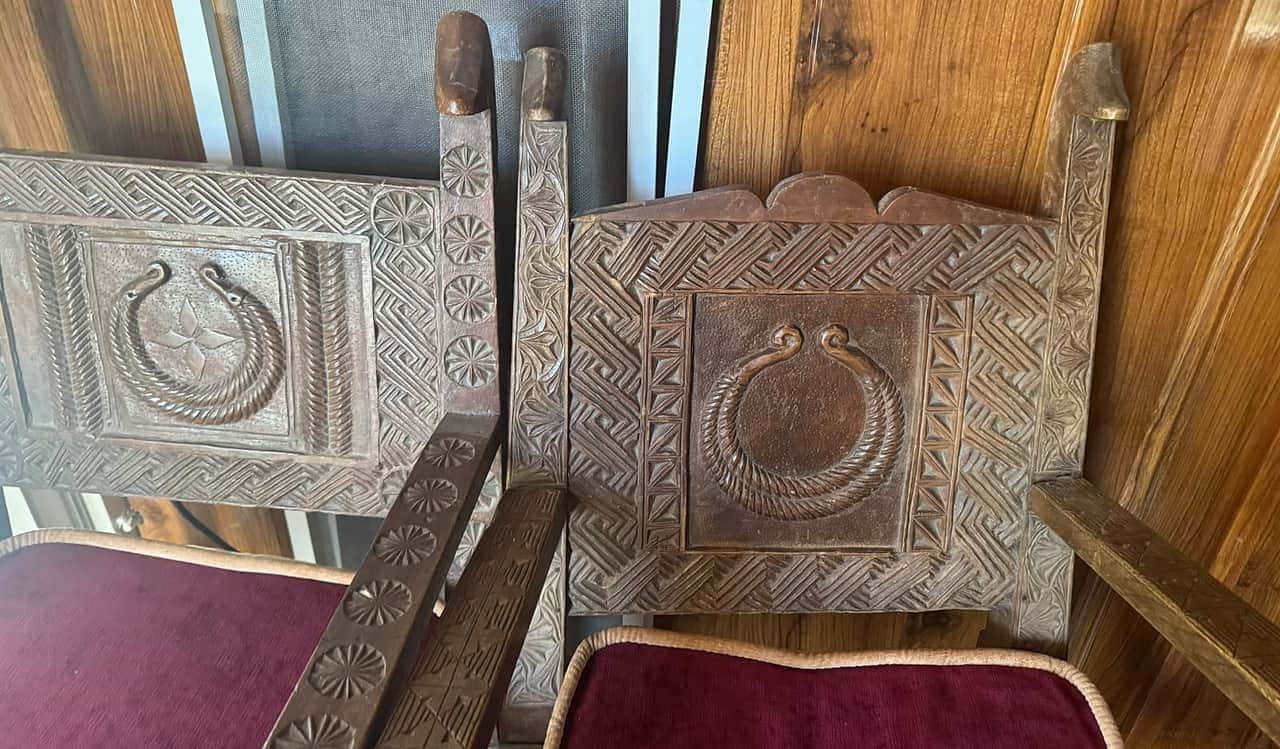
Seen from the river, a Nuristani village looks like one building. The houses climb the slope in tiers, each set on the roof of the one below, so that the flat valley floor is left for fields and walnut trees. The walls are dry stone laced with cedar beams, which lets them flex in an earthquake, and the pillars, doors and balconies carry the carving the province is known for.

How the tiered timber villages are built
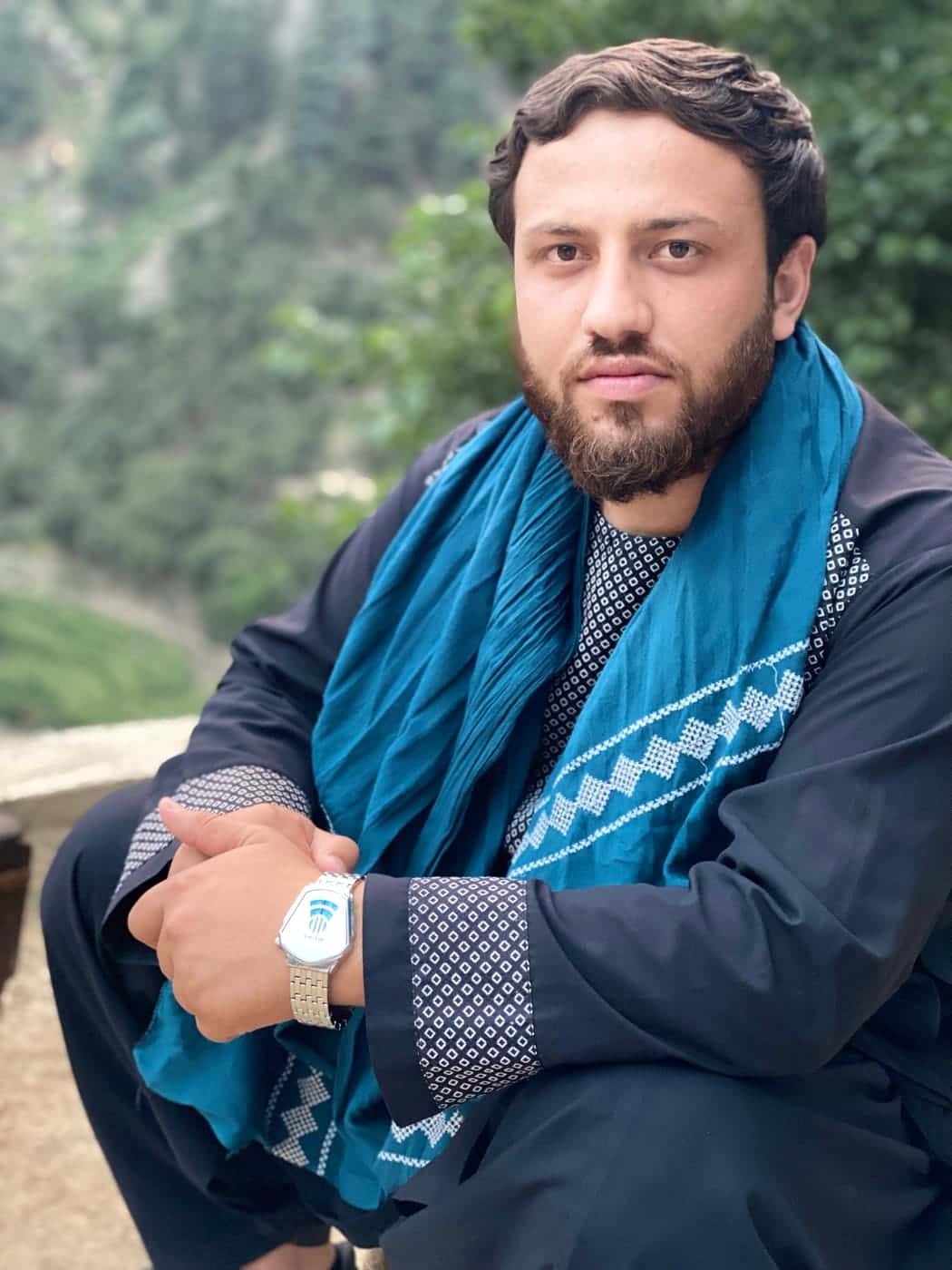
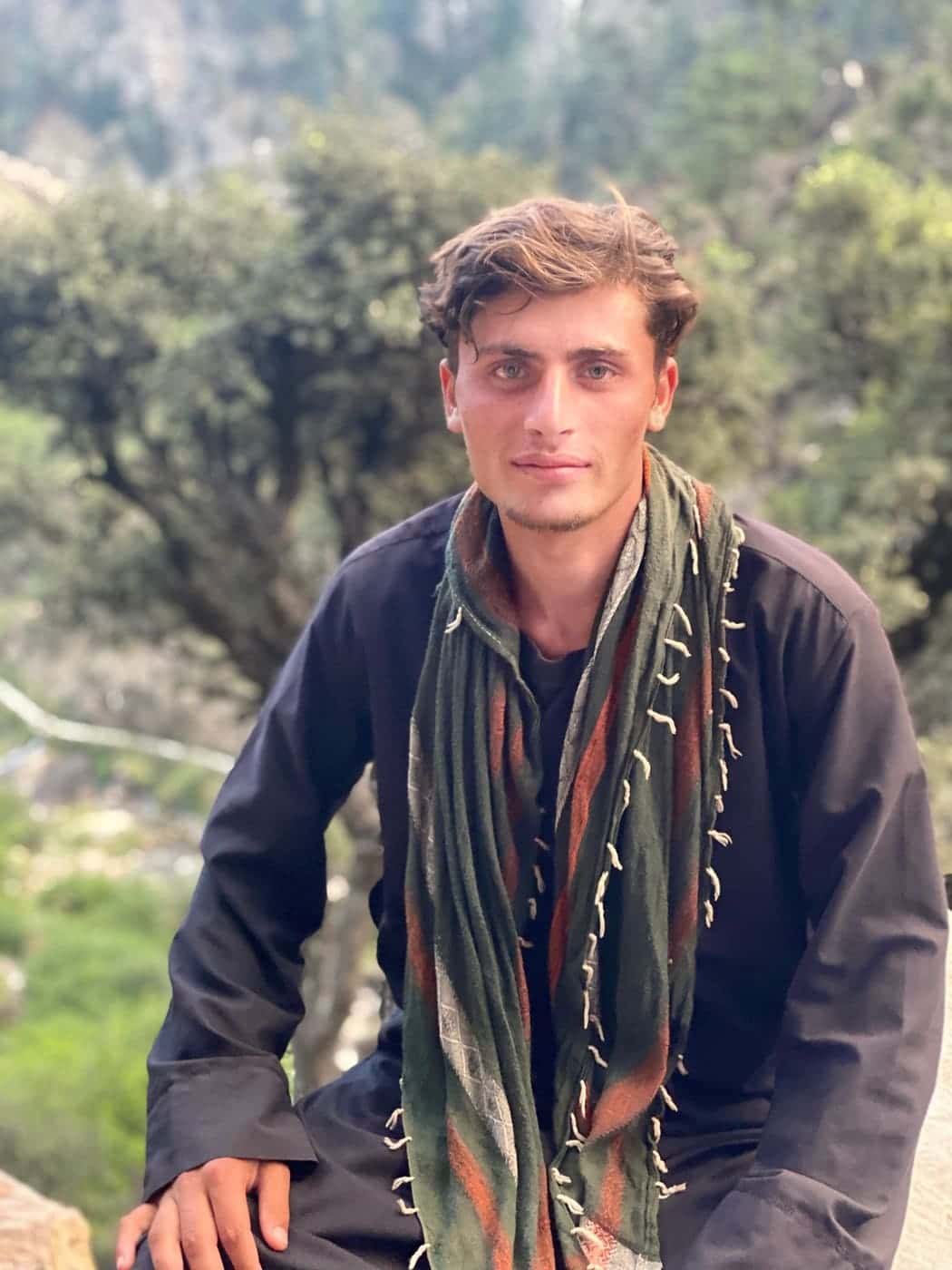
A young man in a black tunic with white embroidery and a blue embroidered scarf
04

Clothing

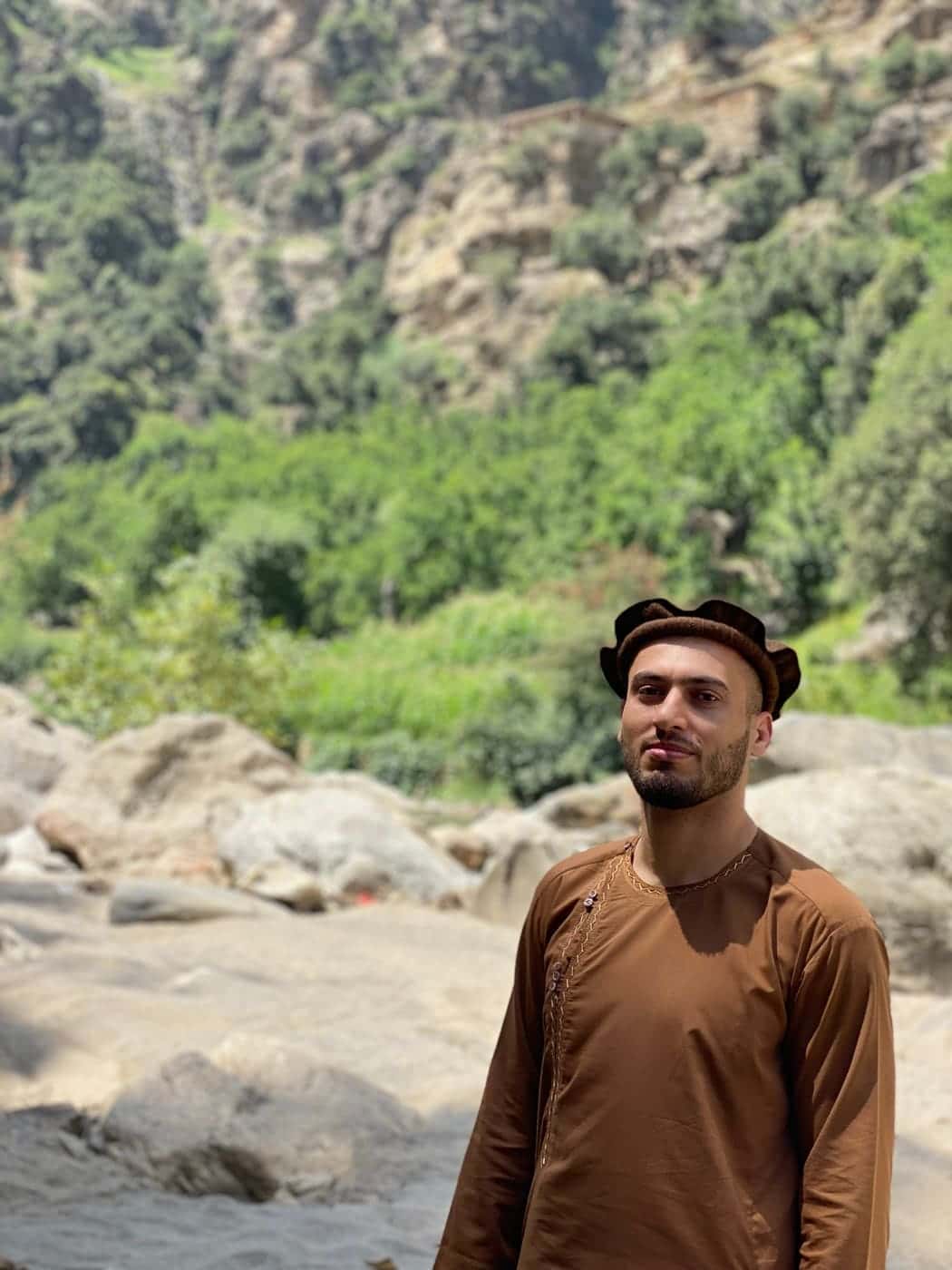
Men wear the long shirt and loose trousers of eastern Afghanistan, often dark, with white geometric embroidery at the chest and cuffs in the same diamonds and chevrons the carvers cut into house pillars. A woven wool scarf in teal, green or rust is wound once round the neck, and the pakol, which came over the passes from Chitral after 1896, is rolled high. Women's dresses are waisted and collared, which is unusual in Afghanistan, and worked in bright thread on a dark ground.

Nuristani clothing: what men and women wear, photographed in the valleys
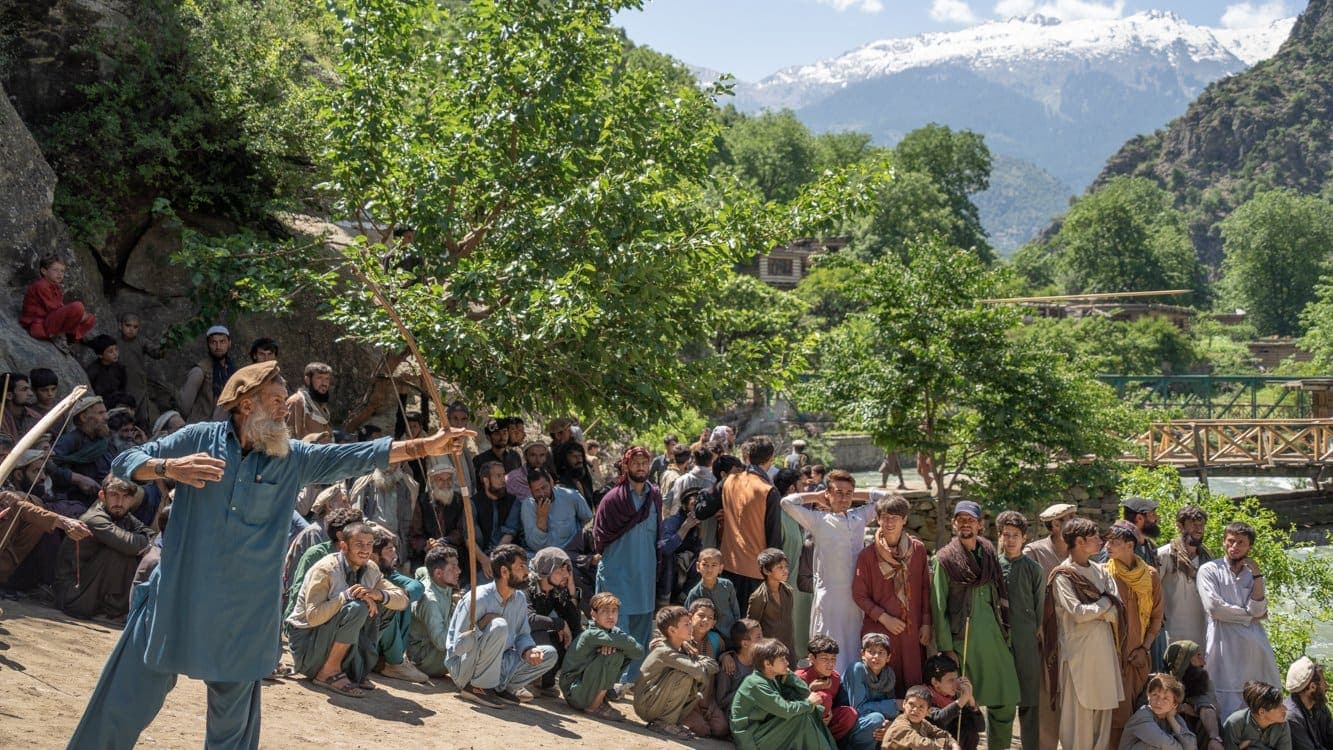
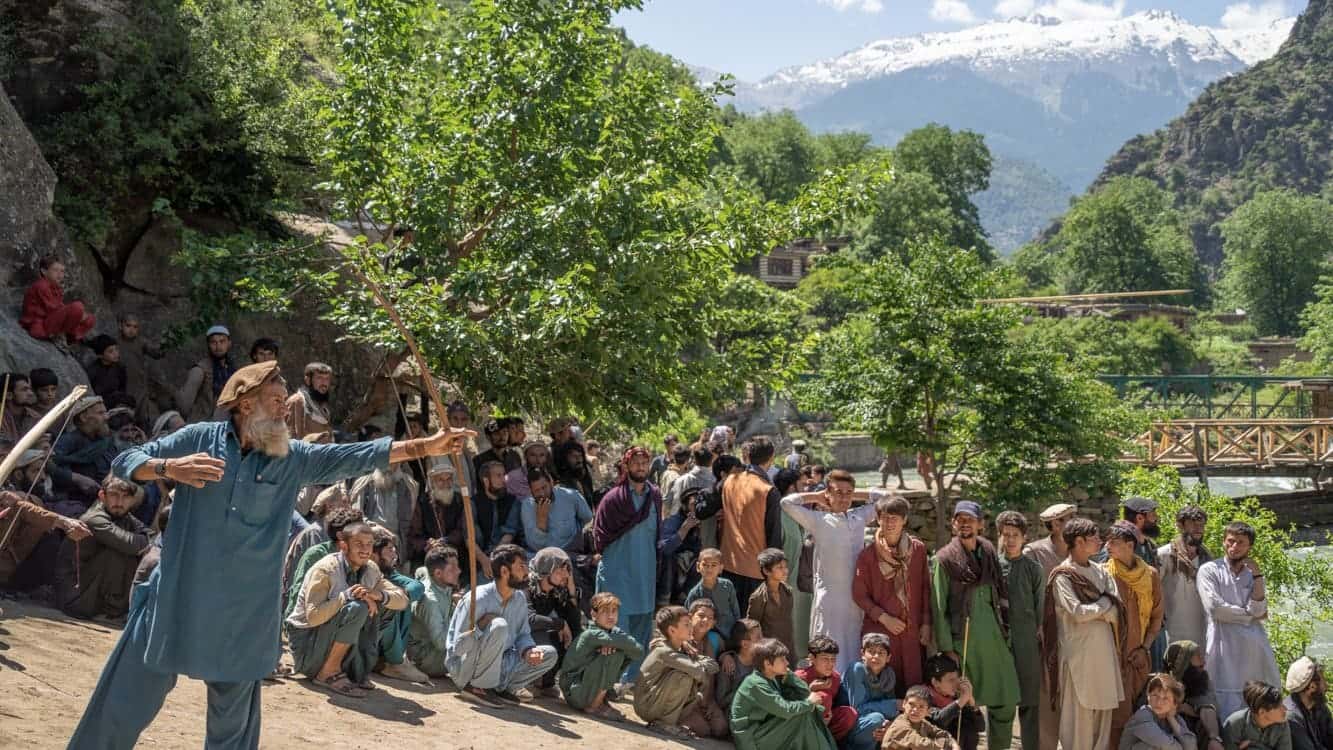
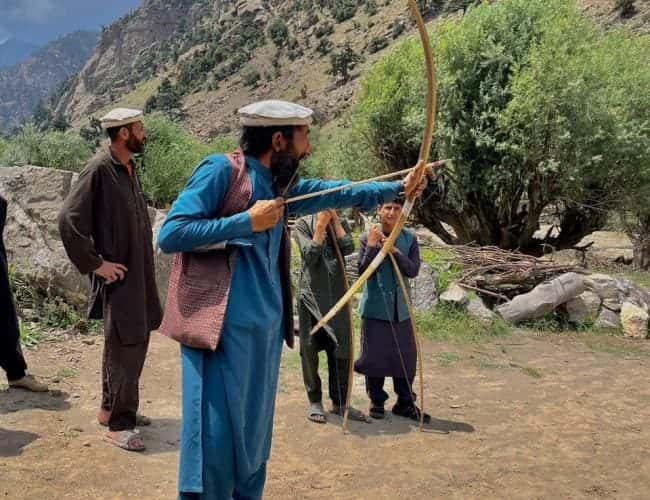
An elder loosing an arrow from a long wooden bow before a crowd by the river
05

Traditions

Archery with the long wooden bow is still a celebrated pastime, and in Kamdesh contests draw whole villages to the riverbank. Nuristan kept the waj, an arched harp of a kind that disappeared from the rest of Asia long ago, and in Waygal people sing in parts. Many of the old festivals belonged to the religion before 1896, but the dancing at weddings and the feasting that gives a family its standing have carried on.

Nuristani music and dance: the harp, the songs and the old dances
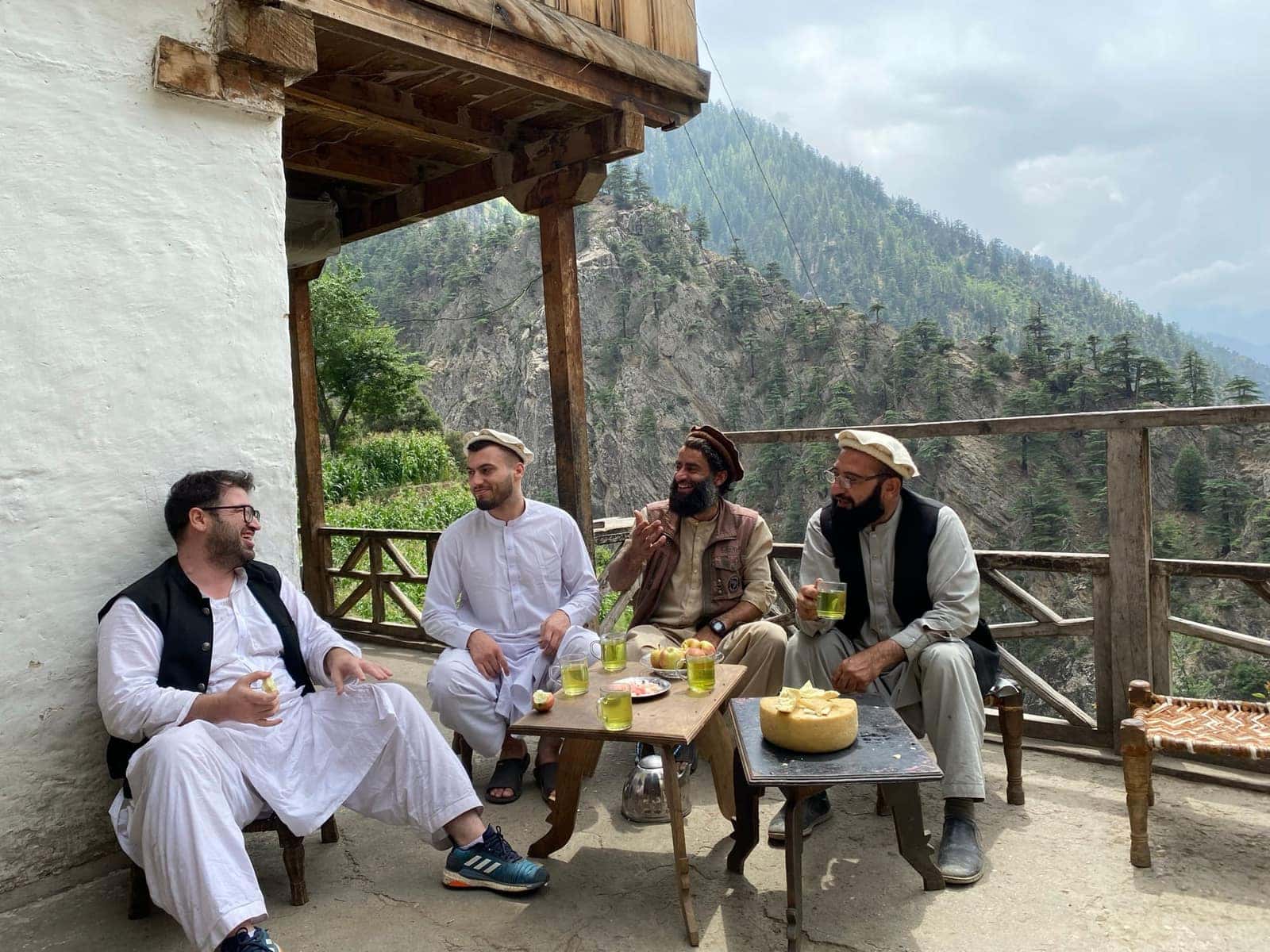
Four men sharing green tea, apples and local cheese on a carved wooden veranda
06

Food

Nuristani food is what a steep valley with a short summer can grow: wheat and maize baked as flat bread, cheese, butter and yoghurt from the herds, and walnuts, mulberries and apricots from the terraces. The honey of the Pech and Waygal valleys is on Slow Food's Ark of Taste, morels come from the forest in spring and trout from the rivers. Meat is kept for guests and weddings and shared from one dish, and green tea is offered at every hour.

Nuristani food: bread and cheese, honey, morels, river trout and the guest
Photographs

Scenes from the valleys

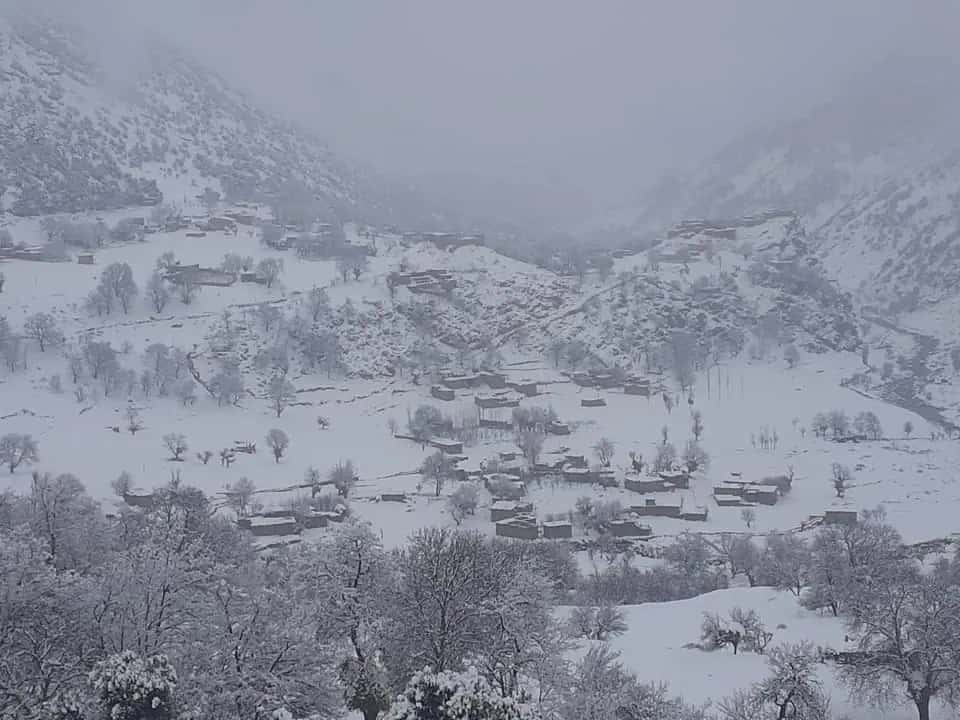
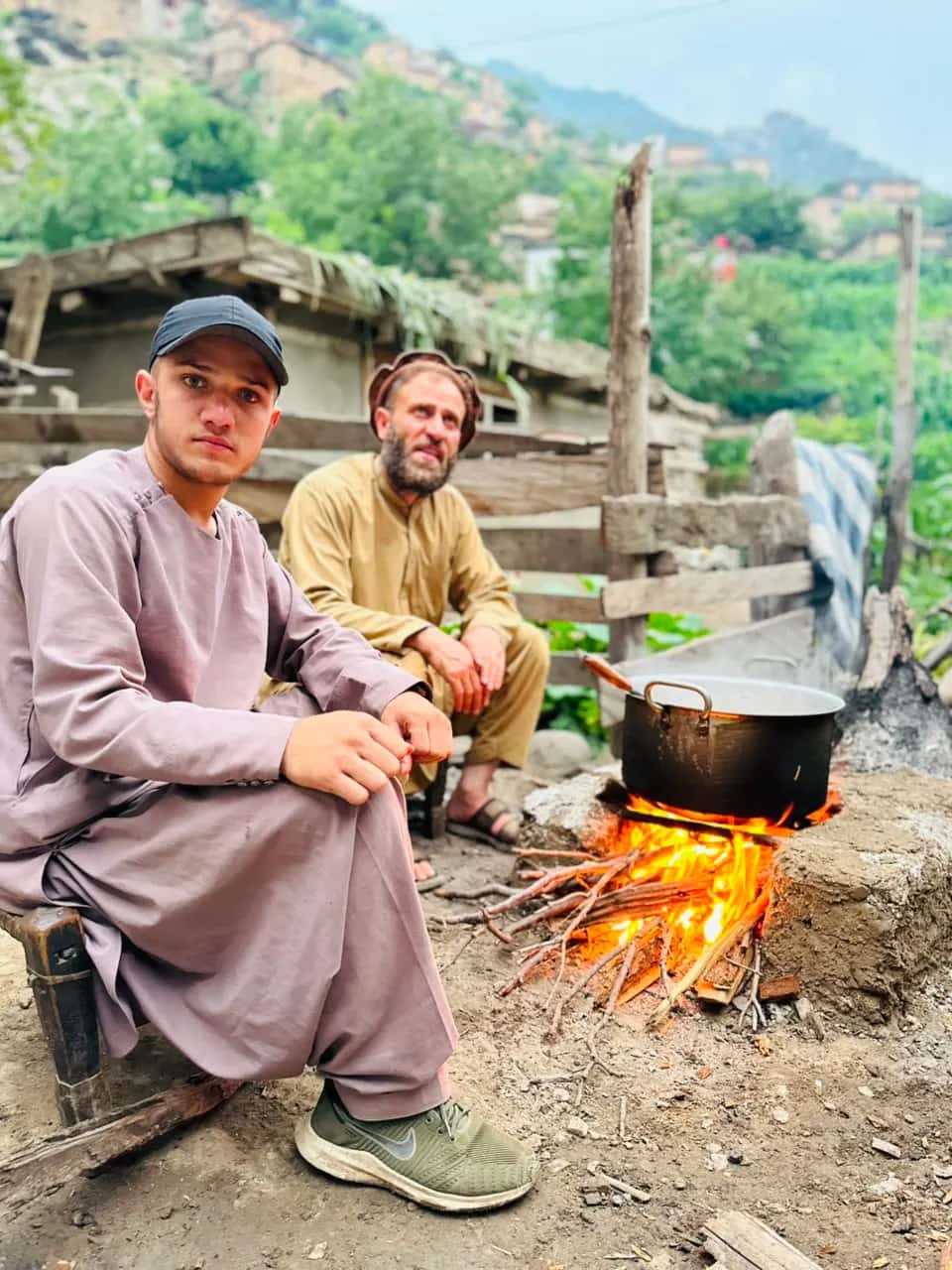
Our own photographs: the scarves and pakols described above, archery practice, a cooking fire in Waygal, and the Kantiwa valley under winter snow.

Go deeper

Long reads on Nuristani culture

The articles behind this page: sourced, cited and written by people from the province.

10 min read

Kafiristan: The History of Nuristan Before It Was Nuristan

Kafiristan was the mountain country of eastern Afghanistan that is now Nuristan province, a block of high valleys on the southern side of the Hindu Kush between Kabul and Chitral. For a thousand years it was a land of carved wooden gods, wine and great feasts that outlasted every empire around it. Who the Kafirs were, what they believed, how it ended in the winter of 1895, and what survives.

Read more: Kafiristan: The History of Nuristan Before It Was Nuristan
Get in touch

Plan your Nuristan journey

Ready to plan a visit, source Nuristani products, or discuss an investment? Your message goes to Obaid, who is from Nuristan, and his team in Afghanistan and the UK. We reply to every message.