Most of what makes a visit to Nuristan go well, for you and for the families who take you in, comes down to a few habits. This is what we tell our own guests before they set out, from how to behave in a house to what not to buy.
We first wrote this page in 2024 and have rewritten it, because the advice it gave was too general to be much use. What follows is what we actually tell guests before they set out, from a team whose families live in the valleys you will pass through. It does not replace the safety advice, the visa rules or your own government's warnings, which have their own pages linked at the end.
Staying in a Nuristani house
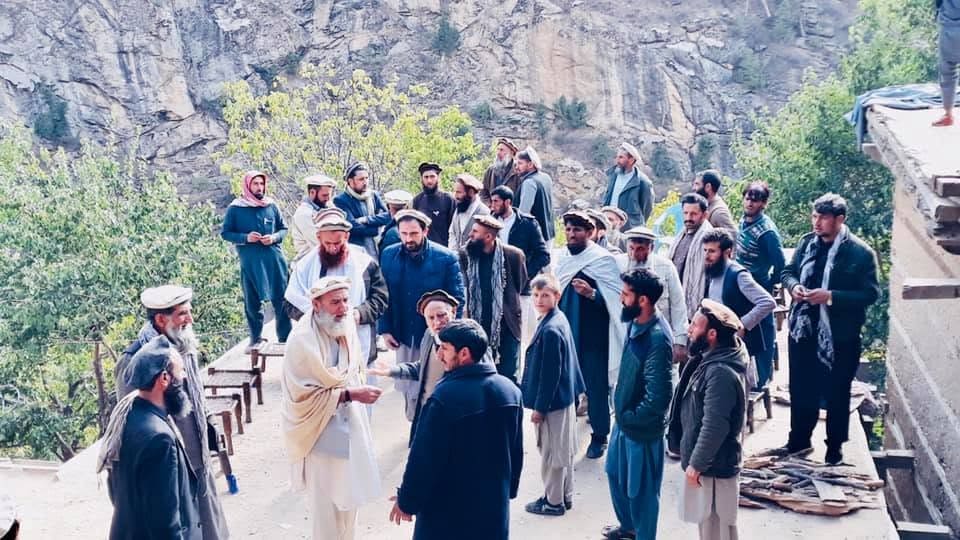
Outside the district centres there are no hotels in Nuristan, and the place you sleep will usually be someone's house. Nuristani hospitality is generous and it is serious. A household that takes you in will feed you before itself, and meat, which families keep for guests and weddings, may be cooked in your honour. Tea comes first, and it should be accepted. Food is shared from a common dish and eaten with the right hand, and the guest is served first and given the best pieces.
Do not try to pay your host in cash at the door. If you want to give something for your keep, ask your guide how and when; they will know what the household can accept without embarrassment. A small gift from home, something for the children or the family, is always welcome. Shoes come off at the door. Men and women sit apart in most houses, and a woman guest is usually taken in among the women of the family, where she will see a side of Nuristani life that male visitors never do.
Dress, prayer and photographs
Dress modestly: long, loose clothes for everyone and a headscarf for women. Men in the valleys do not wear shorts, whatever the heat. Prayer sets the rhythm of the day; if your guide stops to pray, wait without fuss, and ask before you go into a mosque. Alcohol is illegal in Afghanistan, and bringing it into a village would embarrass everyone who vouched for you.
Ask before you photograph anyone, and do not photograph women unless the family has agreed, which in the valleys is rare. The British government's advice adds that photographing government buildings, military sites and checkpoints is not allowed and can lead to detention. Leave the drone at home unless permission has been given in advance; it is usually refused, and flying without it would end the trip for everyone. Think before you post, too. A picture that names a village and the family who hosted a foreigner travels further than you intend, and the family has to live with it after you have gone. Share the mountains freely, and faces and names only with permission.
The forest, the rivers and the wildlife
Nuristan holds most of the conifer forest Afghanistan has left, and it has been cut hard. A visitor cannot do much about that, but can avoid adding to it: keep to the paths, do not cut green wood for a fire, and carry out every piece of plastic you carry in. The rivers are the villages' drinking water, and there is no rubbish collection in the villages, so a bottle left on a riverbank stays there.
In 2009 Afghanistan published its first list of protected species, and the markhor, the snow leopard, the wolf and the brown bear are on it, which makes hunting them or trading in their parts illegal. You may still be offered horns or a skin. Do not buy them, and do not ask to see a hunt.
The same care applies to old carving. Carved doors, columns and chairs from Nuristani houses turn up for sale in Kabul, Peshawar and further afield. Afghan law treats objects of historical and cultural value as the property of the people of Afghanistan and forbids their export, and an old piece offered to a passing visitor rarely comes with an honest history. If you want carving, buy new work from a carver, who will be glad of it.
Floods and the season
July and August bring the monsoon to the eastern Hindu Kush, and with it flash floods: Kamdesh in July 2021, Parun on 20 July 2026, Bargi Matal on 3 August 2026. Never camp on the gravel beside a river, cross side streams only where your guide crosses, and if heavy rain sets in, stay where you are. For most visitors the best months are June, September and early October.
Spend where it counts
Money a visitor spends in Nuristan goes further than almost anywhere else. Hire local drivers, guides and porters. Buy walnuts, honey, dried morels or a pakol from the people who make them, at the price they ask, and do not haggle hard over sums that mean little to you and a great deal to them. Our own trips work this way: the guides, drivers and households our guests stay with are from the valleys.
Before you go, read our page on whether Nuristan is safe to visit, which sets out the government advice and what we do about the risks, and the guide to getting there from Kabul. If you travel with us, we go through all of this again with you before you set out.
Read on
- Is Nuristan safe to visit? The advice, the hazards and what we do
- How to get to Nuristan from Kabul
- Nuristan tours and ground handling
- Nuristan weather: the best months and the flood season
- Nuristani food, and how a guest is fed
- Nuristani woodcarving: the patterns, and the craft today
- Nuristan National Park: the forest and its animals
Questions people ask
Should I pay a Nuristani family for staying with them?
Not with cash handed over at the door, which can embarrass a host. Ask your guide how and when to give something for your keep; they will know what the household can accept. A small gift from home, for the children or the family, is always welcome.
Can I buy markhor horns or old carvings in Nuristan?
No. The markhor, snow leopard, wolf and brown bear have been protected since Afghanistan's first list of protected species in 2009, which makes hunting them or trading in their parts illegal, and Afghan law forbids taking objects of historical and cultural value out of the country. If you want carving, buy new work from a carver.
Sources