The wooden villages, the long bows, the carved cedar and the story of Kafiristan. A closer look at the traditions and landmarks that define Nuristan.
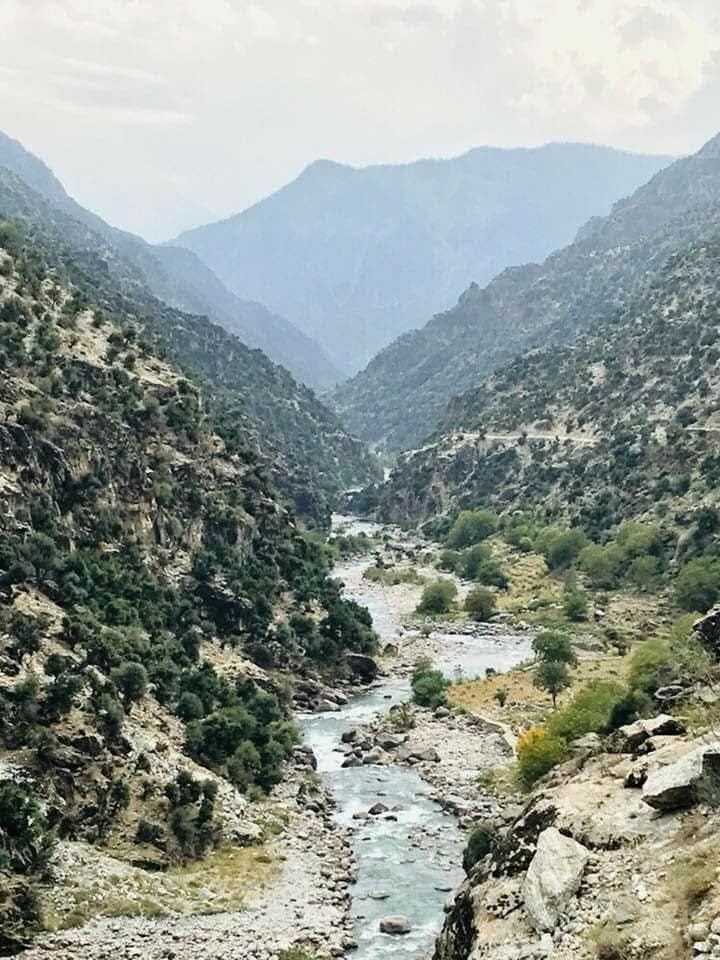
Some places wear their history lightly; Nuristan carries it in everything — in the timber of its houses, the shape of its bows, the names of its valleys. To walk through the province is to read a living record of a culture that has been shaped by isolation, faith and an extraordinary attachment to the land.
From Kafiristan to the Land of Light
For centuries this region was known as Kafiristan — the “land of the unbelievers” — a name that reflected its ancient, pre-Islamic religion. In the 1890s its people embraced Islam, and the province was renamed Nuristan, the “Land of Light”. Yet the older world did not vanish; its imprint survives in custom, craft and memory, giving Nuristani culture a depth that sets it apart within Afghanistan.
Architecture carved from the mountains
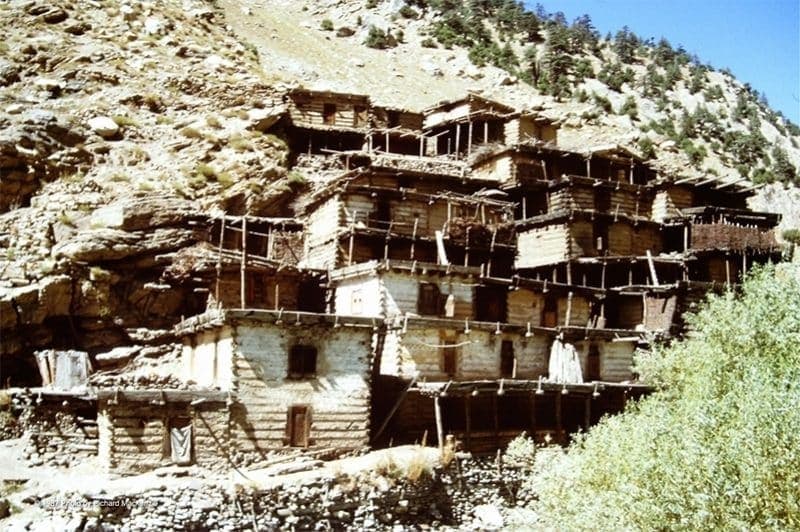
Perhaps nothing captures Nuristan's heritage more vividly than its architecture. Villages rise in stacked tiers up the hillsides, each timber house resting on the roof of the one below, their balconies and beams worked with the intricate carving for which Nuristani craftsmen are famed. Built from the cedar that surrounds them, these settlements are landmarks in the truest sense — a way of building found nowhere else on earth.
Traditions kept alive
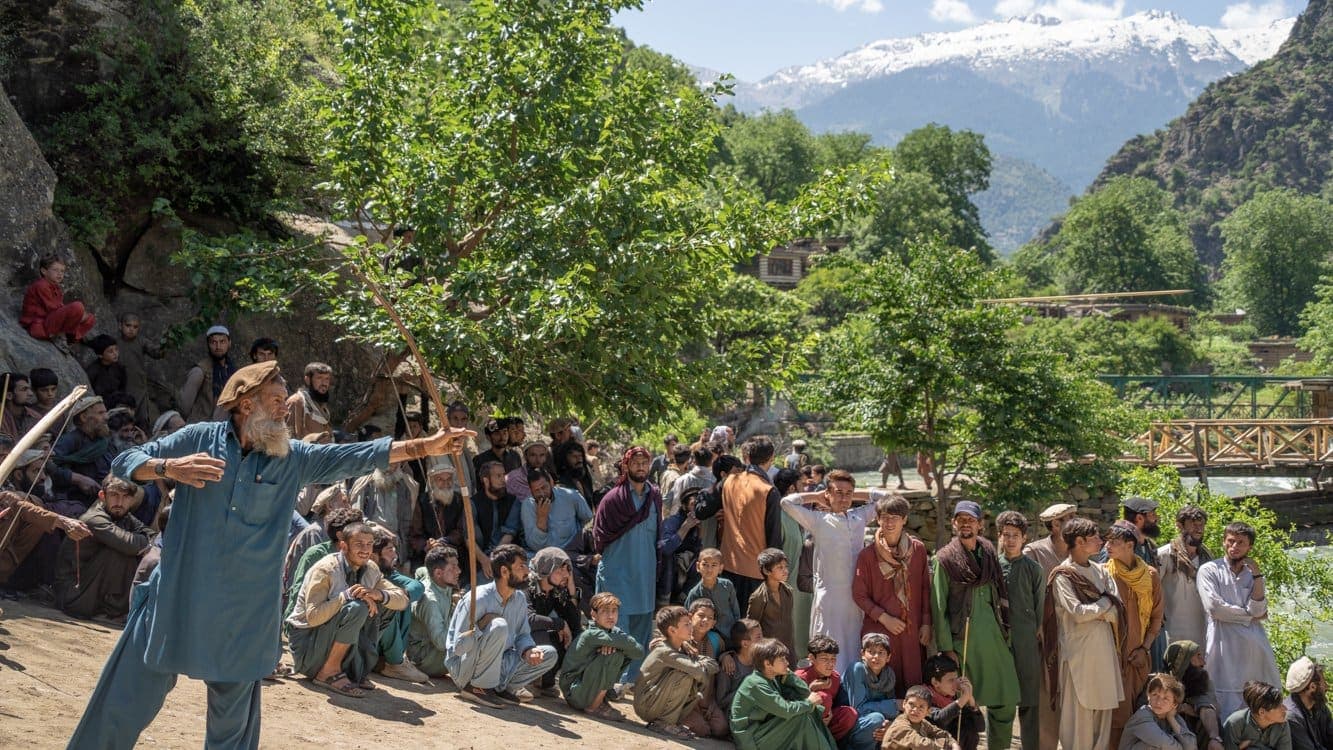
- Archery contests with long wooden bows, a celebrated village pastime.
- Music, dance and seasonal festivals that bring whole communities together.
- Oral storytelling that passes history and moral lessons down the generations.
- Woodcarving, weaving and embroidery handed from parent to child.
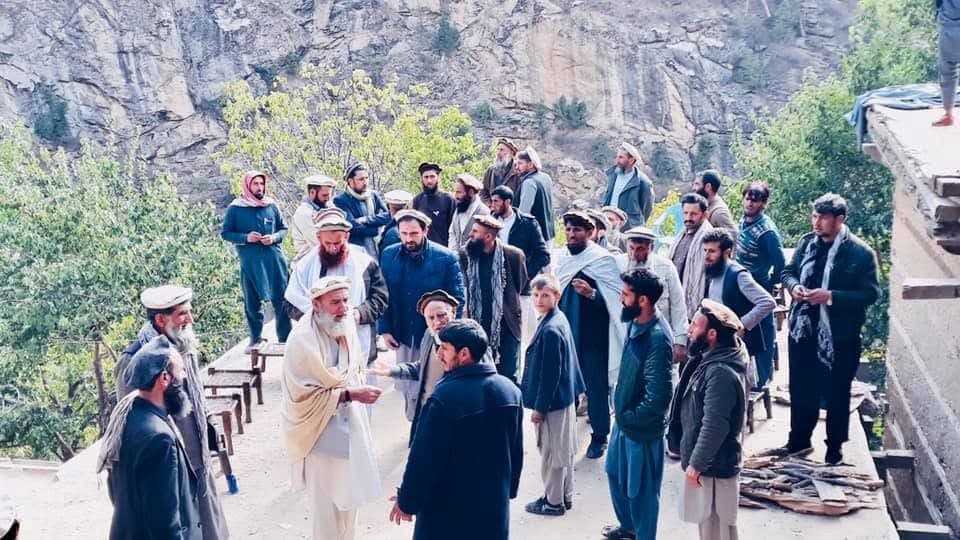
These are not performances staged for visitors. They are the ordinary texture of life in the valleys — which is precisely what makes encountering them so moving. A festival in Kamdesh or an afternoon's archery is a window onto a tradition that has been practised, in much the same way, for generations.
In Nuristan, heritage is not something remembered; it is something done, every day, in plain sight.
Why it matters
Nuristan's traditions are a treasure not only for Afghanistan but for the wider world — a reminder of how richly distinct a mountain culture can be. Documenting them, supporting the artisans who keep them alive and visiting with genuine respect are all ways of helping ensure that the Land of Light continues to shine.