What the country really produces, how the trade works now, whether you may legally import the stones and what you will pay, how they are treated and tested, and the frauds to avoid.
Before you buy
Fine stones, sold a long way from the people who dig them
Afghanistan sells more fine coloured stone than almost any country of its size, and almost none of it is sold by the people who dig it. The tourmaline, kunzite, aquamarine and morganite of Nuristan and its neighbours, the emeralds of Panjshir, the lapis lazuli of Badakhshan and the rubies of Jegdalek leave through traders, mostly to Peshawar in Pakistan and on to Bangkok, and reach a buyer in London or Hamburg with a lab report that names the mineral and nothing else. Since 2024 some of Nuristan's rough has also been sold by open auction in the province.
This guide is written from Nuristan for someone abroad who wants to buy. It sets out what Afghanistan actually produces and where, how the trade works now, whether a buyer in the United Kingdom, the European Union or the United States may legally buy and import the stones and what duty they pay, what the stones are worth and what drives the price, how they are treated, which laboratories will test them and for how much, the fakes and frauds that have been documented, and the questions of conscience. It is not legal advice, and where the law is unsettled it says so.
Provincial state auctions in Du Ab and Parun since 2024
UK import duty
0 per cent on precious stones (heading 7103), plus 20 per cent VAT
US position
No comprehensive sanctions; General License 20 covers imports
Formal exports
About 7 million US dollars of precious stones in 2022
Lab report
From about 75 US dollars at GIA for identification
What Afghanistan sells
The stones, and where each one is really from
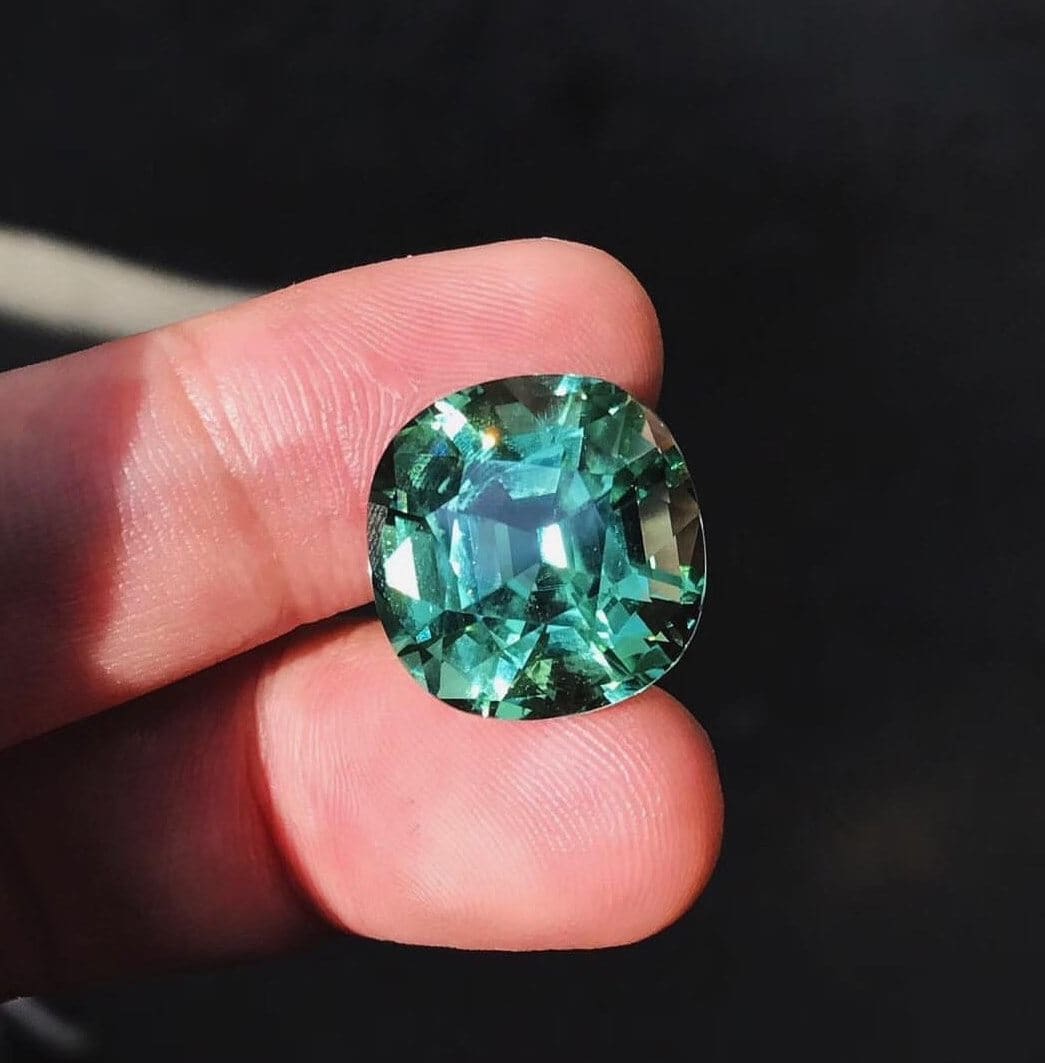
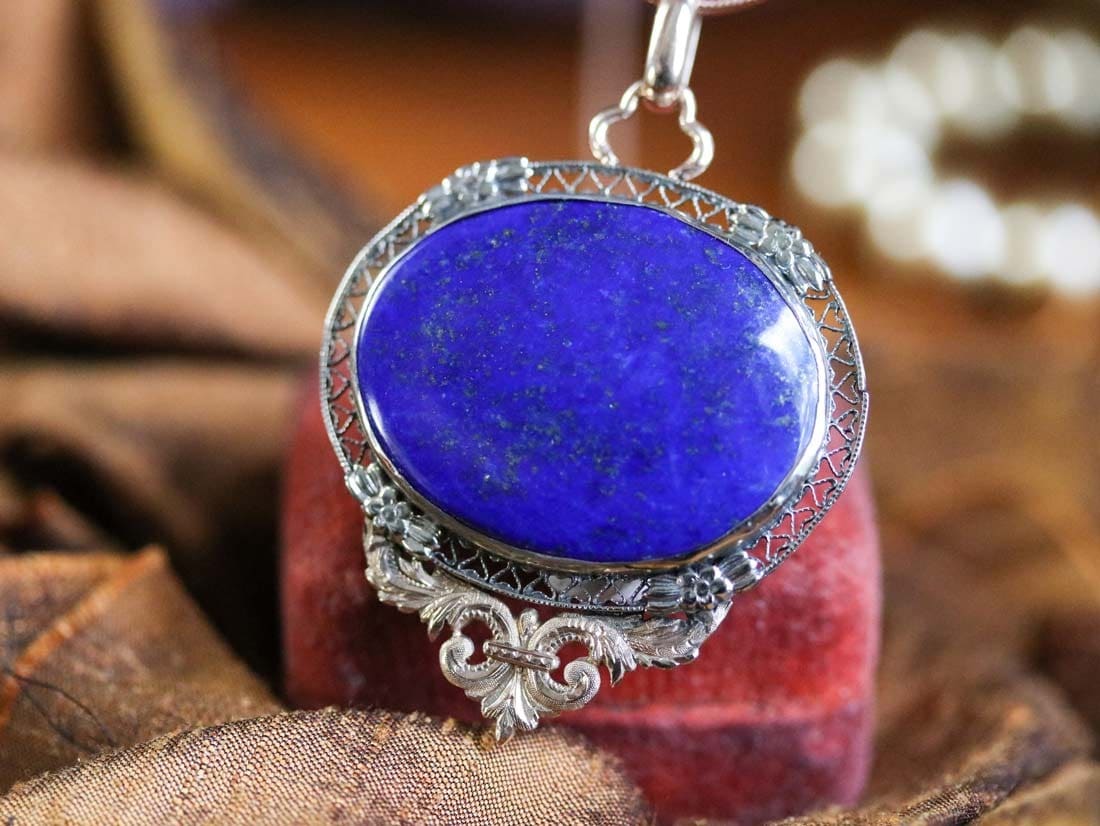
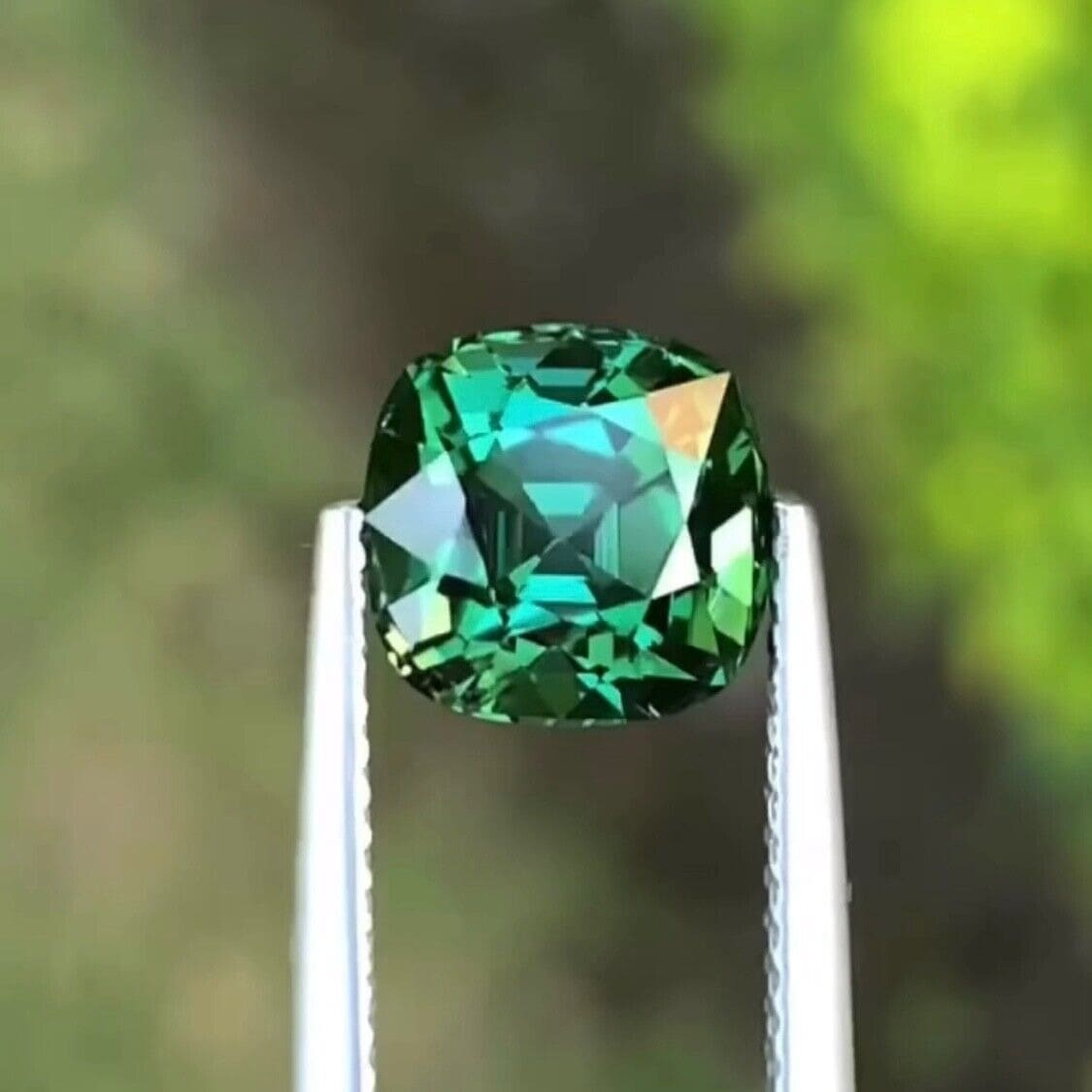
Afghanistan's gem wealth is in coloured stones, not diamonds. From Nuristan and the pegmatite country of Kunar and Laghman come tourmaline in pink, green and blue, kunzite in lilac and pink, aquamarine and morganite, with spessartine garnet, topaz, smoky quartz and collectors' minerals such as pollucite. From the Panjshir valley north of Kabul come emeralds, from Sar-e Sang in Badakhshan the lapis lazuli that has been traded for six thousand years, and from Jegdalek east of Kabul rubies and pink sapphires in marble. Kunar also produces nephrite jade, and Badakhshan some tourmaline and garnet.
The labels blur. Stones from Kunar and Laghman are sold as Nuristan, stones from anywhere in the east as Paprok, and the old Soviet and American survey tables file several Nuristan mines under Laghman because they predate the province. Two recent claims deserve caution: stones announced in 2025 and 2026 as the first rubies and emeralds from Nuristan's mines have never been identified by a laboratory or described by a geologist, and no copper-bearing Paraiba tourmaline has been confirmed from Afghanistan.
How the trade works
From the pocket to Peshawar, and now to the saleroom
For fifty years the route has run east. Miners dig the pockets by hand, often at 3,000 to 4,000 metres, and sell the rough to a trader; in the 1980s they carried it on their backs some six hundred kilometres to the Pakistani border. The stones go to Kabul's dealers in Shahr-i-Naw or over the Torkham crossing to Namak Mandi in Peshawar, a market of more than seven hundred shops where Afghan traders made most of the sales until the late 2000s. From Peshawar the onward buyers come from Thailand, Sri Lanka, China, Hong Kong, Japan and the West, and much of the rough is cut in Thailand, Sri Lanka or China before it is sold again. Pakistan's own formal gem exports are only about six million US dollars a year, and Afghanistan's recorded exports of precious stones were about seven million dollars in 2022, to the United States, Czechia, Thailand, France and China; the real trade is many times larger and unrecorded.
Since December 2024 a second route has opened. Nuristan's provincial Directorate of Mines and Petroleum sells rough from the Mawi workings in Du Ab, and from Parun and Kamdesh, by open auction to domestic traders, with about ten per cent of each sale to the state treasury. Sales have reached 122.5 million afghanis for a single lot of about two tonnes of kunzite, beryl and morganite. Kunar and Panjshir run the same system. The auction route gives rough a date and a district, which is more than most of the trade ever has; our account of the auctions is on its own page.
Buying and importing Afghan gemstones, country by country
As the rules stood on 6 October 2026, from the published guidance and tariffs. This is information, not legal advice.
United Kingdom
The Afghanistan sanctions regulations freeze the assets of about 140 designated people and entities, the Haqqani Network among them, and prohibit military goods and technology for them. The government's statutory guidance, updated in April 2026, states that there are no other sanctions on goods or services under the regime: there is no ban on importing Afghan gemstones. A buyer must not deal with, or for the benefit of, a designated person, so screen the seller against the UK Sanctions List. Precious stones under tariff heading 7103, rough or cut, carry a third-country duty of 0 per cent on the UK Trade Tariff, and Afghanistan has duty-free access under the Developing Countries Trading Scheme in any case; import VAT at 20 per cent is due on the value.
European Union
Council Regulation 753/2011 freezes the funds of listed individuals and bans arms-related supply to them. It contains no import ban on Afghan goods. Heading 7103 carries 0 per cent duty into the Union, and Afghanistan is a beneficiary of the Everything But Arms preference. Import VAT is due at the standard rate of the member state. As in the United Kingdom, the obligation is to check that the seller is not a listed person.
United States
Afghanistan is not under comprehensive sanctions; the Taliban and the Haqqani Network are blocked persons. General License 20 of February 2022 authorises all transactions involving Afghanistan and its governing institutions, including commercial imports, except transfers to the Taliban, the Haqqani Network or entities they own, other than payments of taxes, fees, import duties, permits and licences, and even those are excluded if they relate to luxury items. Whether the ten per cent levy on a provincial gemstone auction is a fee relating to a luxury item has no published answer from the Treasury, so a US buyer sourcing through the auctions should take legal advice rather than rely on a website. On tariffs, unworked stones under 7103.10.20 and cut unset stones for jewellery under 7103.99.10 enter free, while simply sawn rough and other worked stones carry 10.5 per cent, and the country surcharges imposed and struck down during 2025 and 2026 mean the current schedule should be checked at the time of import.
Afghanistan
The Minerals Law of 2018 remains the statute. Royalty is due on the first sale of a mineral, small-scale licences are reserved for Afghan citizens and Afghan-majority companies, and the ministry may prohibit the export of a mineral if processing it at home is judged economically feasible. No export ban on gemstones has been published; the only confirmed ban is on lithium, in force since 2021. At the mine, Nuristan's diggers pay a levy that was doubled to four per cent in 2023, and at the auctions the state takes about ten per cent. A draft National Minerals Policy went to the leadership in August 2025 and has not been published.
Origin
What a label means, and what a laboratory will say
Origin on a label means two different things. For customs, the European Union's non-preferential rules give a rough stone the origin of the country where it was dug, and a cut stone the origin of the country where it was cut to its final shape; United States customs has treated cutting and polishing the same way. So an Afghan tourmaline cut in Bangkok is, on the paperwork, Thai. For the trade, origin is a selling word: Nuristan sells better than Laghman and Paprok better than either, and the labels follow the price.
A laboratory will not settle it. GIA and the Swiss laboratories give origin opinions only for emerald, ruby, sapphire, alexandrite, Paraiba-type tourmaline, spinel and a few others; for tourmaline, kunzite, aquamarine and morganite a report confirms the mineral and the treatment it can detect, and stops there. Origin for these stones rests on records: which auction, which trader, which valley, which year. Ask for them.
Prices
What the stones are worth, and what moves the price
There is no official price list for coloured stones. GIA publishes none; the trade uses the GemGuide wholesale guide and the International Gem Society's tables, both by subscription. What can be said with a source is this. Fine Afghan rubellite and indicolite of 2 to 5 carats were asked at roughly 160 to 650 US dollars a carat by dealers in 2026, and a 22 carat blue-green stone wholesaled at about 227 dollars a carat in 2014. Kunzite sells for about 10 to 20 dollars a carat in general and 60 to 80 dollars a carat for clean Afghan stones from a US dealer. Morganite runs from about 70 to 600 dollars a carat, typically 100 to 300. No Afghan-specific price guide exists for aquamarine. The separate pages on Afghan tourmaline and Afghan kunzite give every figure with its date and source.
Colour and its saturation set most of the price, then clarity, cut and size, then origin where a laboratory can confirm it, and finally treatment, which should be stated in writing and lowers the price when it is anything beyond stable heating. Asking prices in Peshawar are deliberately high: dealers buy Afghan lots blind, take speculative stakes and quote strangers a figure far above what they will accept.
Rough is sold by the gram or the kilogram and cut stones by the carat, and the arithmetic between them is where buyers lose money. Experienced cutters expect 28 to 35 per cent of the weight of good tourmaline rough to come out as finished stones, so a gram of rough at 300 dollars is a carat of cut stone at something like 200 dollars before cutting costs, and a kilogram of mixed auction rough at 10,000 afghanis contains a great deal that will never be cut. The state auctions of 2025 and 2026 sold mixed Mawi lots at roughly 10,000 afghanis a kilogram and Kunar tourmaline at about 79,500 afghanis a kilogram, with quality unstated.
If you buy rough to have cut, weigh and photograph each piece before it goes to the cutter and agree the yield in advance. Buyers on the trade forums describe the two recurring disputes: the final carat count against the grams bought, and cutters keeping part of the yield. Our rough gemstones page sets out what Afghan rough we supply, how it is graded and what it sells for.
Treatments
What is done to the stones, species by species
Treatments by gemstone species
Stone
Treatment and disclosure
Tourmaline
Heating is common, stable and undetectable. Pale pinks are sometimes irradiated to deepen the red; undetectable, and the colour can fade in heat or strong light. Fracture filling is occasional and can be detected.
Kunzite
Fresh crystals are sunned to turn them pink. Irradiation followed by heating to deepen the colour is common in the trade and seldom disclosed. Treated and natural colour both fade in light. Green spodumene sold as hiddenite is irradiated and fades in hours.
Aquamarine
Nearly all is heated to turn greenish blue to pure blue; permanent and undetectable. Irradiated blue fades. Fracture filling is rare and must be disclosed.
Morganite
Routinely heated to remove yellow and leave pink; stable.
Emerald, ruby, lapis (not Nuristan's)
Emerald is oiled or resin-filled as a rule; ruby may be heated or glass-filled; lapis is dyed. The 2025 GIA field report from Pakistan found all three sold with the treatment hidden.
Lab reports
Who will test a stone, for how much, and how fast
Gemmological laboratories, services, fees and turnaround
Laboratory
Service
Fee
Time
GIA (United States, with laboratories worldwide)
Colored Stone Identification Report
75 US dollars under 2 carats, 90 to 105 up to 6 carats, rising to 289 for 50 to 200 carats (2026 schedule)
Varies by laboratory; see the current schedule
SSEF (Basel)
Identification report
375 Swiss francs under 2 carats, 500 to 2,200 by size
About two weeks; express within three working days at 50 per cent more
Gübelin Gem Lab (Lucerne)
Coloured stone report without origin
250 Swiss francs under 1 carat to 1,200 at 50 carats and over (2025 list)
At least ten business days; express within two days for 300 francs a stone
American Gemological Laboratories (New York)
Identification and quality reports
On application
About two and a half to three and a half weeks; 72-hour rush at double fee
Assay Office Birmingham (United Kingdom)
Gem identification report
On application
Five to six working days; next day at 50 per cent more
None of these laboratories offers an origin opinion for ordinary tourmaline, kunzite, aquamarine or morganite, so do not pay for one. What a report buys you is certainty that the stone is natural, its weight, and the treatments the laboratory can detect. For stones of a few hundred dollars and up it is worth the fee; for a thirty dollar kunzite it is not.
Scams
The frauds that have been documented
Glued specimens and false matrix
GIA's Winter 2025 field report from Pakistan's gem markets documents crystal specimens reassembled with resin, aquamarine crystals mounted on rock they never grew on, and a synthetic ruby set into natural host rock and sold in Namak Mandi as Jegdalek. Its advice for the whole regional trade: suspect alteration unless it is proved otherwise.
Borrowed certificates
The same report found genuine laboratory reports reprinted and attached to other stones, and reports worded to mislead, such as natural dyed emerald. Buyers on the gem forums describe printed GIA and IGI certificates with foil backing accompanying synthetic stones from social-media sellers. Check a report number on the laboratory's own website, and check that the weight and measurements match the stone in your hand.
The one good stone
Lots offered from the region on Instagram and Facebook, often at 250 to 350 dollars a carat with no trading history, are reported to hold one or two good stones among plain ones. New accounts, prices too good to be true and pressure to pay by transfer are the signals. Pay by a method with recourse.
Glass and synthetic spinel sold as tourmaline
Soldiers and travellers buying in Afghanistan have long been sold glass, synthetic spinel and cubic zirconia as tourmaline, aquamarine and peridot; one buyer who sent ten samples for testing found two were what they had been sold as. Tourmaline, aquamarine, morganite and kunzite have no commercial synthetics, which makes them safer buys than ruby, emerald or sapphire, but imitation is not synthesis, and a diamond tester proves nothing.
Weight and yield
Rough sold by the gram with the carat yield assumed rather than agreed; the final count falling short of the photographs; cutters keeping a share. Weigh, photograph and agree the yield before anything leaves your sight.
Mine-owner investment offers
Offers to invest in a mine, a licence or a parcel of rough, made by message from someone you have never met, are a pattern across the gem trade. No case specific to Afghanistan has been published, which is not the same as none existing. Nothing about Nuristan's mines can be verified from a photograph.
Ethics
Who digs the stones, and who is paid
The stones are dug by hand, in high country, without safety equipment. Reporters in the Pech valley in 2023 found former soldiers mining with home-made explosives and a jackhammer run off a generator, no helmets, glasses or masks, and a man partly blinded by a tunnel collapse the year before. In July 2026 a landslide at a gem working at Pachigram in Bargi Matal killed three men. The miners pay a four per cent levy at the mine and sell the rough for a fraction of what it fetches cut. Child labour is documented in Afghan mining as a whole, chiefly coal and salt; no report has described it in Nuristan's gem workings, and no report has looked.
The money also flows upward. Lapis mining in Badakhshan was found by Global Witness to have given about 20 million US dollars to armed groups in 2014, and in the years before 2021 the Taliban taxed gem mining through a commission of their own. Today the auction revenue goes to a state treasury under a sanctioned leadership, and the Afghan press reports that criticise the sales say the valleys see little of it. There is no clean answer, only an honest one: know where your stone came from and who was paid.
What a small buyer or exporter can do is what the responsible-sourcing frameworks ask: know your supplier and screen them against the sanctions lists; get treatment and origin in writing; photograph and weigh at each hand-over; keep the auction or royalty receipts; and prefer sellers who can name the valley and the miner. The OECD's due diligence guidance for minerals from high-risk areas, CIBJO's free responsible-sourcing toolkit and the practice of the Moyo Gems and Gemfields models, which seal, grade and publish what they sell, are the references. We follow the same rules ourselves.
How we can help
Buying from Nuristan, through people from Nuristan
We are from Nuristan, and the people on our team in the province know the valleys the stones come from, the men who dig them and the traders who buy them. Through the same traders we can source stones from the rest of Afghanistan as well: emeralds from Panjshir, lapis lazuli from Badakhshan, rubies from Jegdalek, nephrite from Kunar, alongside the tourmaline, kunzite, aquamarine and morganite of our own valleys. What we can do is tell you honestly where a parcel is from and who was paid for it, put you in touch with the right people, and say plainly when something offered as Nuristan or as Panjshir is not. What we will not do is sell you a stone we cannot vouch for or a story we cannot check.
If you are looking for gemstones from Afghanistan, write to us with what you want: species, colour, rough or cut, sizes and budget, and the country you are importing to. We will answer every message and tell you what is and is not possible, and for the stones that a laboratory can trace, such as Panjshir emerald, we will say what a report can confirm.
Yes, in the United Kingdom, the European Union and the United States, provided the seller is not a sanctioned person. None of the three has a ban on Afghan goods. The United States authorises commercial imports from Afghanistan under General License 20 but bars payments to the Taliban other than taxes, fees and licences not related to luxury items, and has not ruled on gemstone auction levies, so a US buyer sourcing through the auctions should take legal advice.
Can I import gemstones from Afghanistan to the UK?
Yes. There is no UK import ban on Afghan goods; the Afghanistan sanctions regime freezes the assets of designated people and bans military goods for them. Precious stones under heading 7103 carry 0 per cent duty, Afghanistan has duty-free access under the Developing Countries Trading Scheme, and import VAT of 20 per cent is due on the value. Screen the seller against the UK Sanctions List.
Are Afghan gemstones subject to sanctions?
The stones are not. The sanctions in the United Kingdom, the European Union, the United States and at the United Nations target listed individuals and entities, including the Taliban and the Haqqani Network, not Afghan goods. The practical duty on a buyer is to make sure the money does not go to a listed person, and in the United States to respect the exceptions in General License 20.
How much is import duty on gemstones from Afghanistan?
Nil in the United Kingdom and the European Union for precious and semi-precious stones under heading 7103, with import VAT at the standard rate. In the United States unworked rough and cut unset stones for jewellery enter free, while simply sawn rough and other worked stones carry 10.5 per cent; check the current schedule, which changed several times in 2025 and 2026.
Which gemstones come from Afghanistan?
Tourmaline, kunzite, aquamarine and morganite from the pegmatites of Nuristan, Kunar and Laghman; emerald from Panjshir; lapis lazuli from Badakhshan; ruby and pink sapphire from Jegdalek near Kabul; nephrite from Kunar; and garnet, topaz, quartz and collectors' minerals. Lapis lazuli is the stone the country is most famous for.
Are Afghan gemstones real?
The stones are real and some of the finest in the world; the question is what you are being sold. Tourmaline, kunzite, aquamarine and morganite have no commercial synthetics, but glass and synthetic spinel are sold in their place, specimens are glued together, treatments go undisclosed and laboratory reports are borrowed. Buy from a seller with a record, get treatment in writing, and for any stone of value have it identified by a recognised laboratory.
Can you source emeralds, lapis lazuli or rubies as well as Nuristan's stones?
Yes. Our own valleys give tourmaline, kunzite, aquamarine and morganite, and through the traders we work with we can source stones from the rest of Afghanistan: Panjshir emeralds, Badakhshan lapis lazuli, Jegdalek rubies and Kunar nephrite. Tell us the species, colour, rough or cut, sizes, budget and the country you are importing to, and we will say honestly what is possible.
Can a lab prove a gemstone is from Afghanistan?
Only for a few species. GIA and the Swiss laboratories give origin opinions for emerald, ruby, sapphire, alexandrite, Paraiba-type tourmaline and spinel among others, so a Panjshir emerald can be confirmed. For ordinary tourmaline, kunzite, aquamarine and morganite there is no published method, and origin rests on the seller's records.
Is it safe to buy gemstones from Instagram sellers in Pakistan or Afghanistan?
Sometimes, and it is where much of the rough is sold, but the documented frauds are real: borrowed certificates, lots with one good stone, glued specimens and prices that collapse once you are a known buyer. Deal with sellers who have a long record, pay by a method with recourse, agree weights and yields in writing, and have anything valuable tested on arrival.
How much does a gemstone lab report cost?
GIA charges about 75 US dollars for an identification report on a stone under 2 carats and 90 to 105 dollars up to 6 carats. SSEF in Basel charges from 375 Swiss francs and takes about two weeks; Gübelin from 250 francs with ten business days. The Assay Office in Birmingham turns reports round in five to six working days.
Ready to plan a visit, source Nuristani products, or discuss an investment? Your message goes to Obaid, who is from Nuristan, and his team in Afghanistan and the UK. We reply to every message.