People write to us asking which Afghan gemstones are a good investment. The honest answer is that a few can hold their value and most are hard to sell at a profit. This is what the auction record shows, what the risks are, and how to buy if you still want to. It is general information, not financial advice, and we sell stones, so read it knowing that.
A gemstone is a strange thing to invest in. It pays no interest, it has no exchange where it can be sold in a minute, and there is no index that tells you what it is worth today. What it has is rarity, and a long history of being wanted. A few stones of the finest quality have risen steadily in value for decades; a great many more have been sold to hopeful buyers at prices they will never see again. The difference lies in what you buy, what you pay, and what papers come with it.
What makes a coloured stone hold its value
Rarity first. A stone that is rare in its species, colour and size will be wanted again when you come to sell it; a stone that is common will not. Then treatment: an untreated stone of fine colour is rarer than a treated one, and the market pays for the difference. Then size, colour and clarity together, which is why one large fine stone is a better store of value than a handful of small ones. And then papers: a current report from a leading laboratory such as SSEF, Gübelin, GIA, AGL or Lotus, stating the treatment and, where it can be told, the origin. Without one, a buyer has only your word.
The International Gem Society warns that the phrase investment grade has no clear meaning when applied to coloured stones, and that you cannot pay retail for a gemstone and expect to sell it at a profit in a few years. Its rule is to buy at wholesale, and its rule of thumb is that wholesale runs at about a third of retail. Rapaport's experts make the same point from the other side: resale happens in a trading environment, among dealers and at auction, and the stones that have done well there since the late 1980s are rubies, sapphires and spinels of perfect colour over five carats.
Afghan stones, one by one
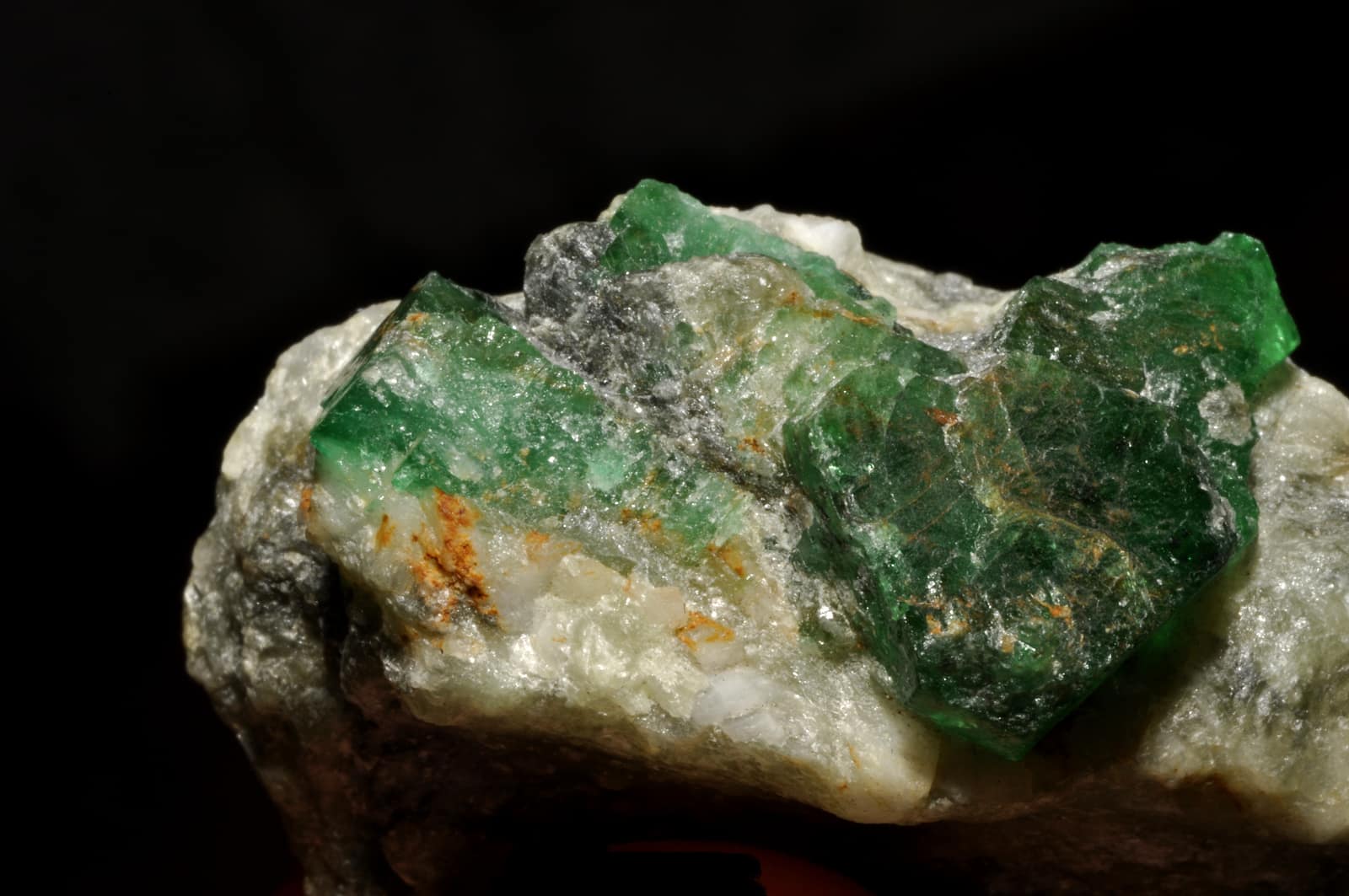
- Panjshir emerald is the strongest case. The Afghan Emerald, 10.11 carats, sold at Christie's Hong Kong in 2015 for 2,275,236 US dollars, about 225,000 a carat, the record for a non-Colombian emerald. Panjshir stones of three to five carats have sold at Bonhams for about 6,550 dollars a carat in 2023 and at Phillips for about 12,900 Swiss francs a carat in 2025. A laboratory can confirm Panjshir origin, which matters at resale. Most emeralds are oiled; the degree, stated on the report, changes the price.
- Jegdalek ruby, if unheated and of fine colour, is a real stone with a real market: dealers put the premium for unheated ruby over heated at 30 to 200 per cent. But about three quarters of what Jegdalek produces is pink sapphire rather than ruby, and top-quality stones rarely pass five carats, so fine ones are few.
- Fine Afghan tourmaline, the blue indicolite and the best pinks of Paprok, sells to collectors at hundreds of dollars a carat and has no commercial synthetic, but its market is narrow and its prices move with fashion. It is a collector's stone more than a store of value.
- Kunzite is beautiful and a poor investment. Its colour fades in strong light, and its price per carat barely rises with size, at about ten to twenty US dollars a carat for fine stones in general.
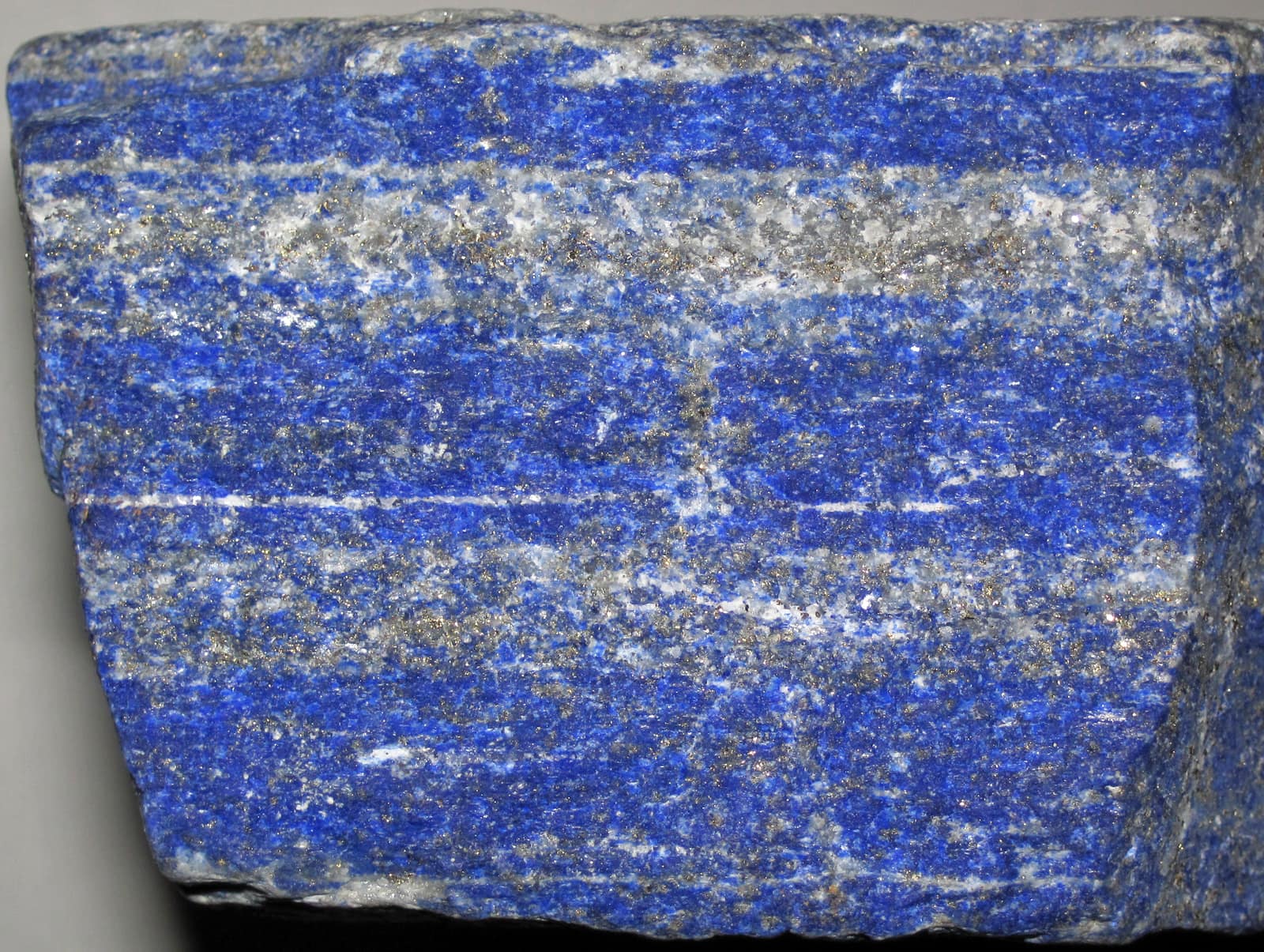
- Lapis lazuli is sold by the kilogram, from about five US dollars for low grades to upwards of ten thousand euros for the purest, and its value lies in carving, jewellery and pigment rather than in the stone as an asset.
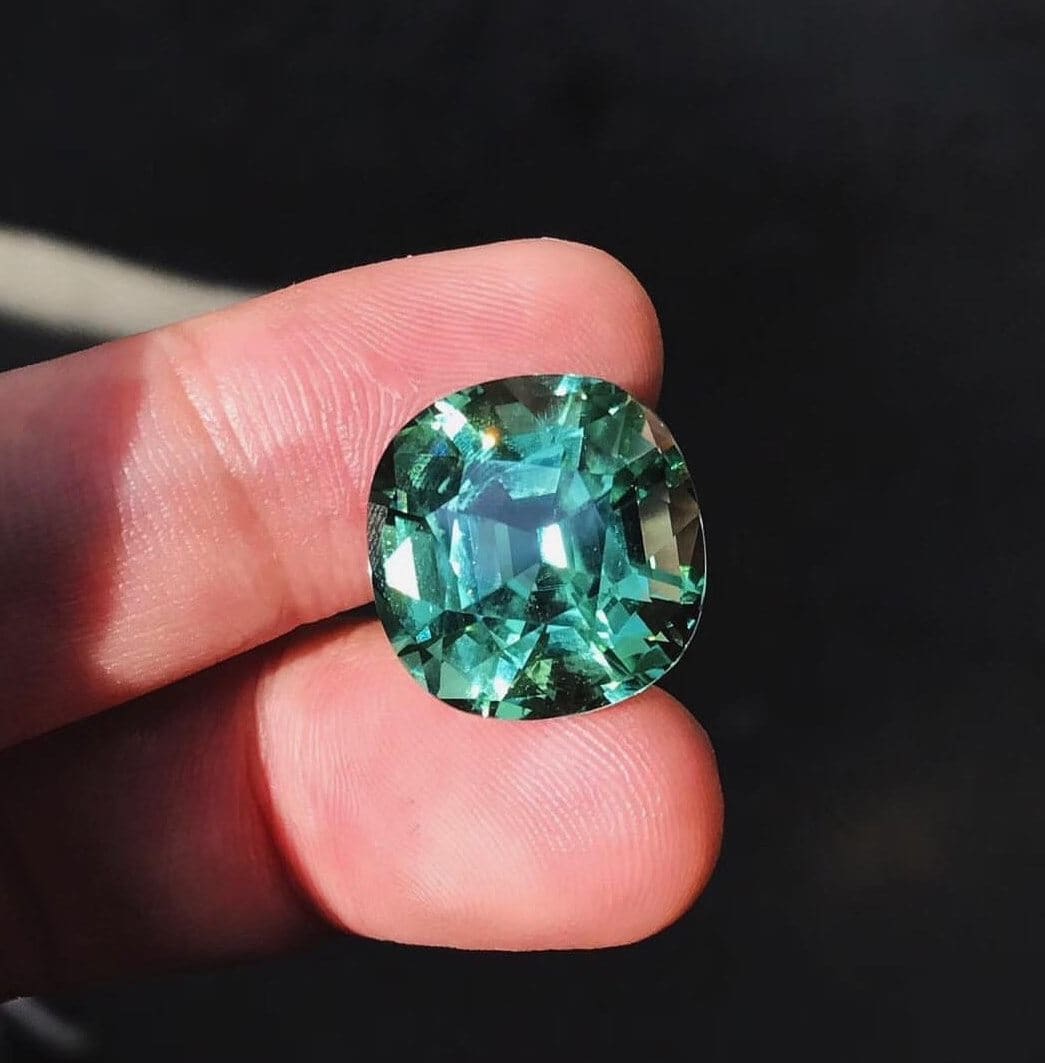
- Aquamarine and morganite from Nuristan are lovely and abundant, and nearly all aquamarine is heated, which limits their value as investments.
The risks
- Liquidity. Selling a stone takes a buyer, and a buyer usually means a dealer paying wholesale or an auction house that may take months and charges a commission. Rapaport's experts note that resale happens in a trading environment, not in a shop.
- No price index. There is no published market price for a coloured stone; the trade prices against private guides, so two honest valuations can differ widely.
- Treatments and fakes. Heating, oiling, dyeing and glass-filling all change value, and synthetic emerald and ruby exist. A stone bought without a laboratory report is a stone whose value you do not know.
- Origin claims. Many stones are sold as Afghan or Panjshir because those names sell. Only some origins can be confirmed by a laboratory.
- The law. Buyers in the United States must follow the conditions of General License 20 for payments connected to Afghanistan; our buying guide sets out the rules for the UK, the EU and the US.
- Scams. Action Fraud lists gemstones among the goods sold as investments by cold callers, often at inflated prices and sometimes in sealed bags the buyer is told not to open. In the UK such sellers need no authorisation, and buyers have no ombudsman and no compensation scheme.
If you still want to
- Buy a stone you would be happy to own if its price never rose.
- Buy at or near wholesale, from the source if you can, and never from a cold caller.
- Insist on a current report from a leading laboratory, in your name or transferable, before you pay for any stone of value.
- Prefer one fine stone to many small ones, and untreated to treated where the price allows.
- Keep every paper: the invoice, the report, the export documents, the import declaration.
- Commit only money you can leave alone for years, and expect to sell through a dealer or an auction house when the time comes.
We source Afghan stones at first hand, from the miners and first dealers in Nuristan, Panjshir, Badakhshan and Jegdalek, and we can arrange laboratory reports at your cost before you buy. We will also tell you plainly when a stone you are offered, by us or by anyone else, is not worth what is asked for it.
Questions people ask
Are gemstones a good investment?
Sometimes, for a few rare stones bought well, and rarely for anything else. Coloured stones have no exchange, no price index and wide gaps between what dealers pay and what shops charge, so most buyers who pay retail cannot sell at a profit for years. The International Gem Society's first rule is to buy at wholesale, not retail.
Which gemstones are best to invest in?
On the auction record, untreated or lightly treated rubies, sapphires, emeralds and spinels of fine colour, over a few carats, with reports from leading laboratories. The International Gem Society also notes that lower-priced stones are easier to sell. Stones that fade, are abundant or are routinely treated are the weakest stores of value.
Are Afghan gemstones a good investment?
Fine Panjshir emerald is the strongest case: an Afghan emerald sold at Christie's in 2015 for about 225,000 US dollars a carat, and Panjshir stones appear at Bonhams, Phillips and Sotheby's. Unheated Jegdalek ruby carries a premium over heated stone. Kunzite, which fades in light, and lapis lazuli, sold by the kilogram, are not investment stones.
Is investing in gemstones regulated in the UK?
No. Gemstones are not regulated investments, so sellers need no authorisation from the Financial Conduct Authority and buyers have no recourse to the Financial Ombudsman or the compensation scheme. Action Fraud lists gemstones among goods sold as investments that are often overpriced, risky and hard to resell.
How do I sell gemstones I bought as an investment?
Through a dealer, at a wholesale price, or through an auction house if the stone is fine enough for its sales, which can take months and costs a commission. A current report from a leading laboratory makes either easier. Retail shops rarely buy stones from the public at anything near what they charge.
Sources
- International Gem Society: Making money investing in gems, the top five rules (updated July 2021)
- International Gem Society: risk management and gemstone investing
- International Gem Society: how to use the price guide, wholesale against retail
- Rapaport, 5 August 2019: Investing in gemstones, a good idea?
- Action Fraud: goods sold as investment
- Mary Kavanagh, Ravishing Rubies, Rapaport Magazine, January 2016 (The Afghan Emerald at Christie's)
- Bonhams, Los Angeles, 2 May 2023: 3.31 carat Afghan emerald
- Phillips, Geneva, February 2025: 4.52 carat Afghan emerald
- The Natural Ruby Company: ruby pricing guide (unheated premium)
- GemSelect: kunzite value
- Emerald on calcite, Bazarak, Panjshir: photograph by Géry Parent, public domain, via Wikimedia Commons