Lapis lazuli means, word for word, stone of lazward: the Latin for stone joined to the Persian name of a blue stone from one valley in Afghanistan. That name gave English the word azure. Here is where it comes from, and what the stone has meant to the people who have held it for six thousand years.
Lapis lazuli is two words in two languages. Lapis is Latin, and means stone. Lazuli is the genitive of lazulum, a medieval Latin word taken from the Arabic lazaward, which was taken in turn from the Persian lazhward or lajward. In Persian that was the name of the stone itself and, on the reading most historians give it, of the place it came from: the mines of Badakhshan, in what is now north-eastern Afghanistan. Put together, lapis lazuli means the stone of lazward. The name is a record of the trade route, carried west by the merchants who carried the stone.
From a stone to the word for blue
In medieval Latin lazulum came to mean the sky as well as the stone, which is why Europeans needed the longer phrase, the stone of lazulum, to mean the mineral. The colour word travelled further than the stone. Old French made it azur, and English took it as azure; Spanish and Portuguese made it azul, their everyday word for blue. So when someone in Madrid or Lisbon names the colour of the sky, they are, without knowing it, saying the name of a stone from a valley in the Hindu Kush.
The word stayed at home too. In Persian and Dari lajward is still both the stone and its deep blue, and the Persian potters of the thirteenth and fourteenth centuries gave the name lajvardina to a ware glazed in dark blue and gold, though their blue came from cobalt rather than from lapis. In Afghanistan today the stone is sold as lajward, and in English, through the dealers, as Afghan lapis.
What the stone meant to the people who held it
The oldest meanings are the ones written into graves. Lapis beads lie in Neolithic burials at Mehrgarh, and lapis from Badakhshan reached the cities of the Indus, where a colony at Shortugai on the Oxus was founded near the mines to work it. In Mesopotamia it arrived by the late Ubaid period, before 4000 BC, and became the chief material for magic stones and cylinder seals; the royal tombs of Ur held a dagger with a lapis handle, a bowl inlaid with it, amulets and beads, and the Epic of Gilgamesh, one of the oldest works of literature, names it again and again. The statue of Ebih-Il from Mari, now in the Louvre, looks out with eyes of lapis.
In Egypt it was a favourite stone for amulets and scarabs. Lapis jewellery has been found at Naqada from before the first dynasty, the reliefs of Thutmose III at Karnak show it arriving as tribute, and it is set in the gold funeral mask of Tutankhamun. For three thousand years and more, a stone that came from one mountain in Badakhshan was among the most precious things a king of Egypt or Sumer could own.
In Europe its meaning was the blue of heaven. Ground and washed, lapis gave ultramarine, the pigment from beyond the sea, brought to Venice by Italian traders from the Afghan mines in the fourteenth and fifteenth centuries and at times valued as highly as gold. Painters from Masaccio and Titian to Vermeer kept it for the most important figures in a picture, above all the robes of the Virgin Mary. In 2019 researchers found particles of it in the teeth of a woman buried at a German convent around the year 1100, most likely from licking a brush while painting a manuscript. A French chemist made a synthetic ultramarine in 1826, and the stone's long reign as the most expensive blue in the world came to an end.
The mine the name points to
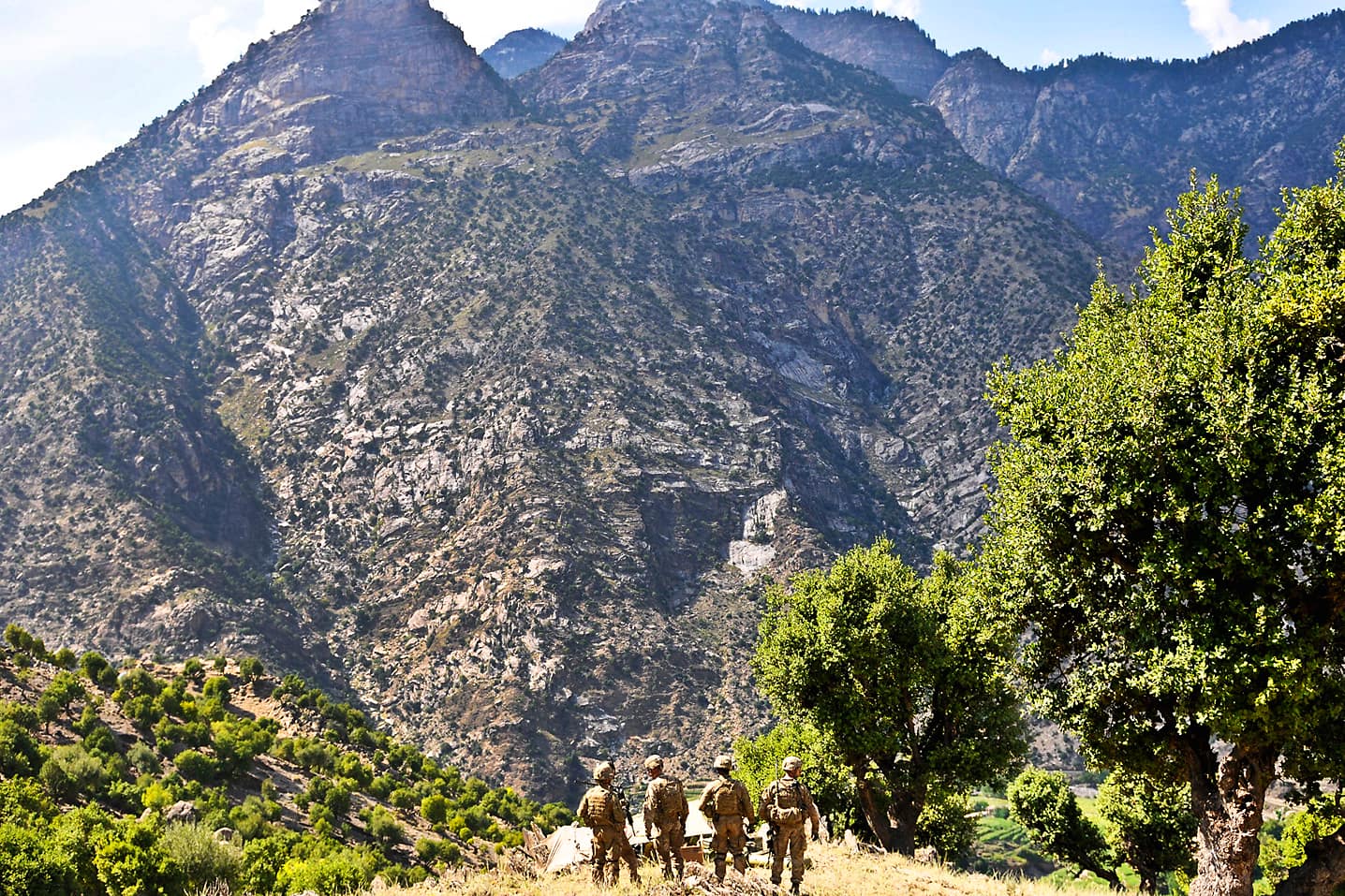
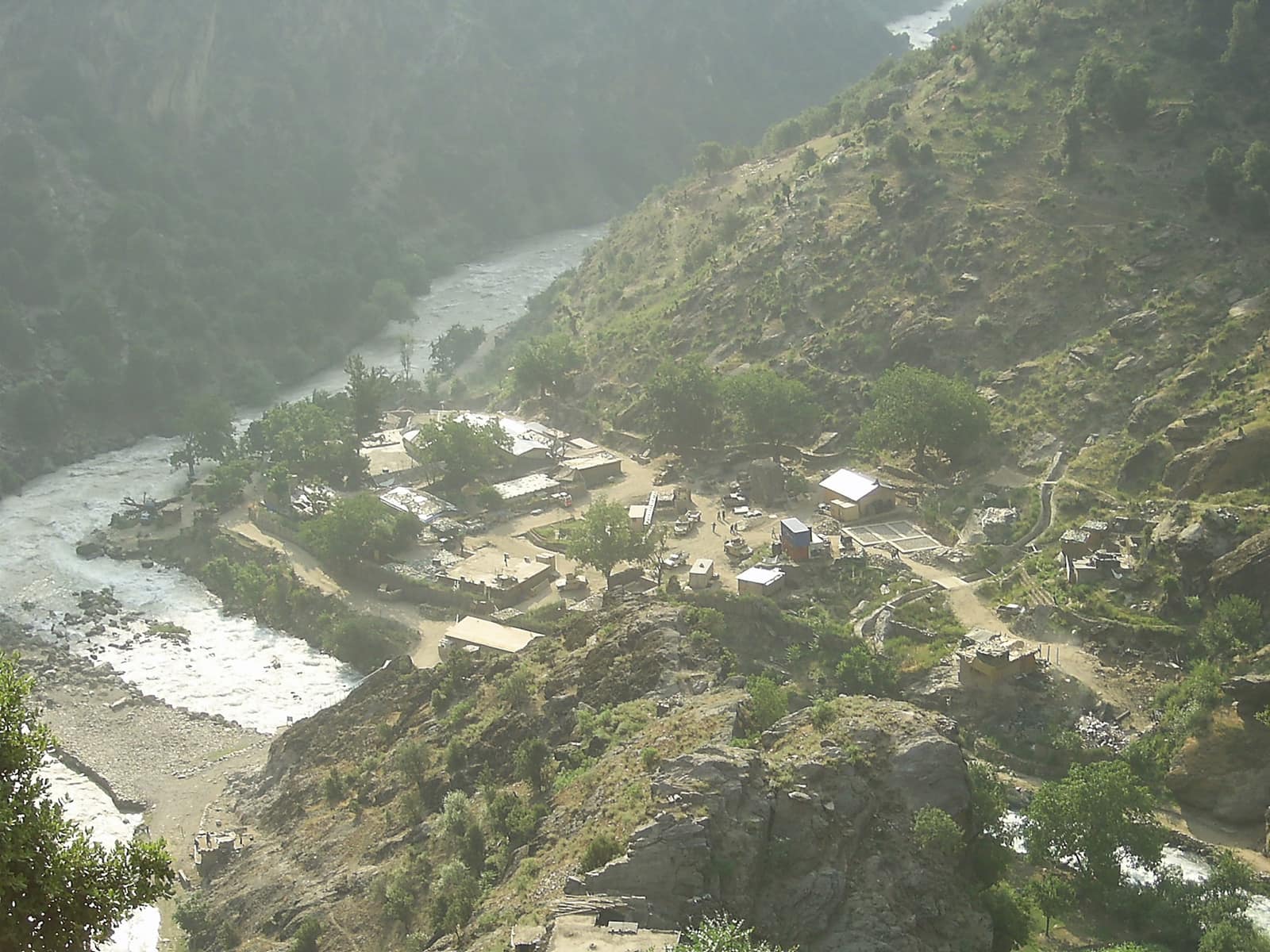
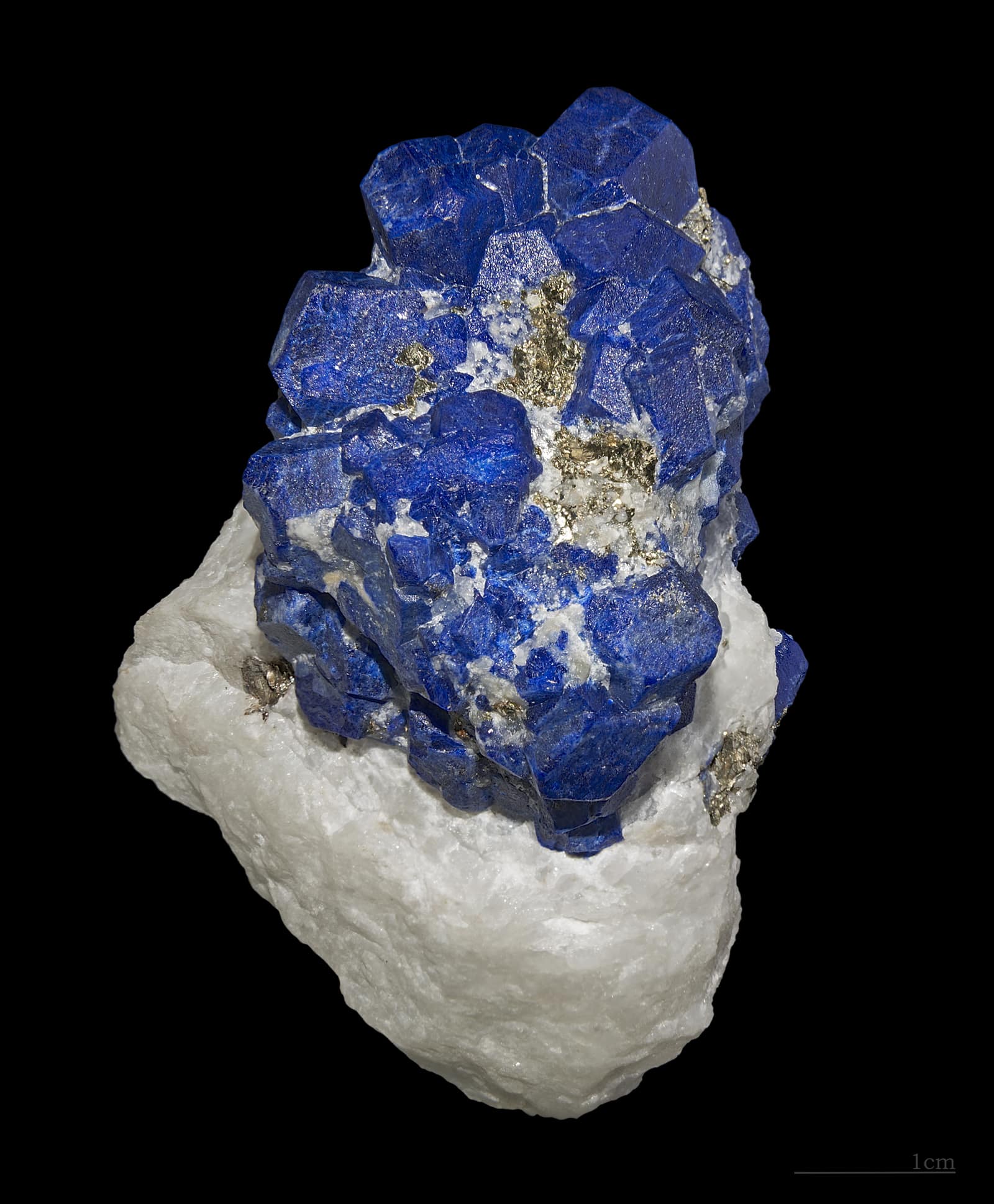
The place the name remembers is still working. The Sar-e Sang mines sit above the Kokcha river in Kuran wa Munjan district of Badakhshan, at 2,700 to 3,400 metres, and can only be worked in the summer months. GIA calls them the world's oldest known commercial gemstone sources. Marco Polo heard of the mountain of the finest azure in 1271 and never saw it; the first European to reach the mines was John Wood of the East India Company in 1838. Lapis is also mined in Chile and Russia, but most of the finest stone in history has come from this one valley, which is why the name of a Persian word for it went round the world.
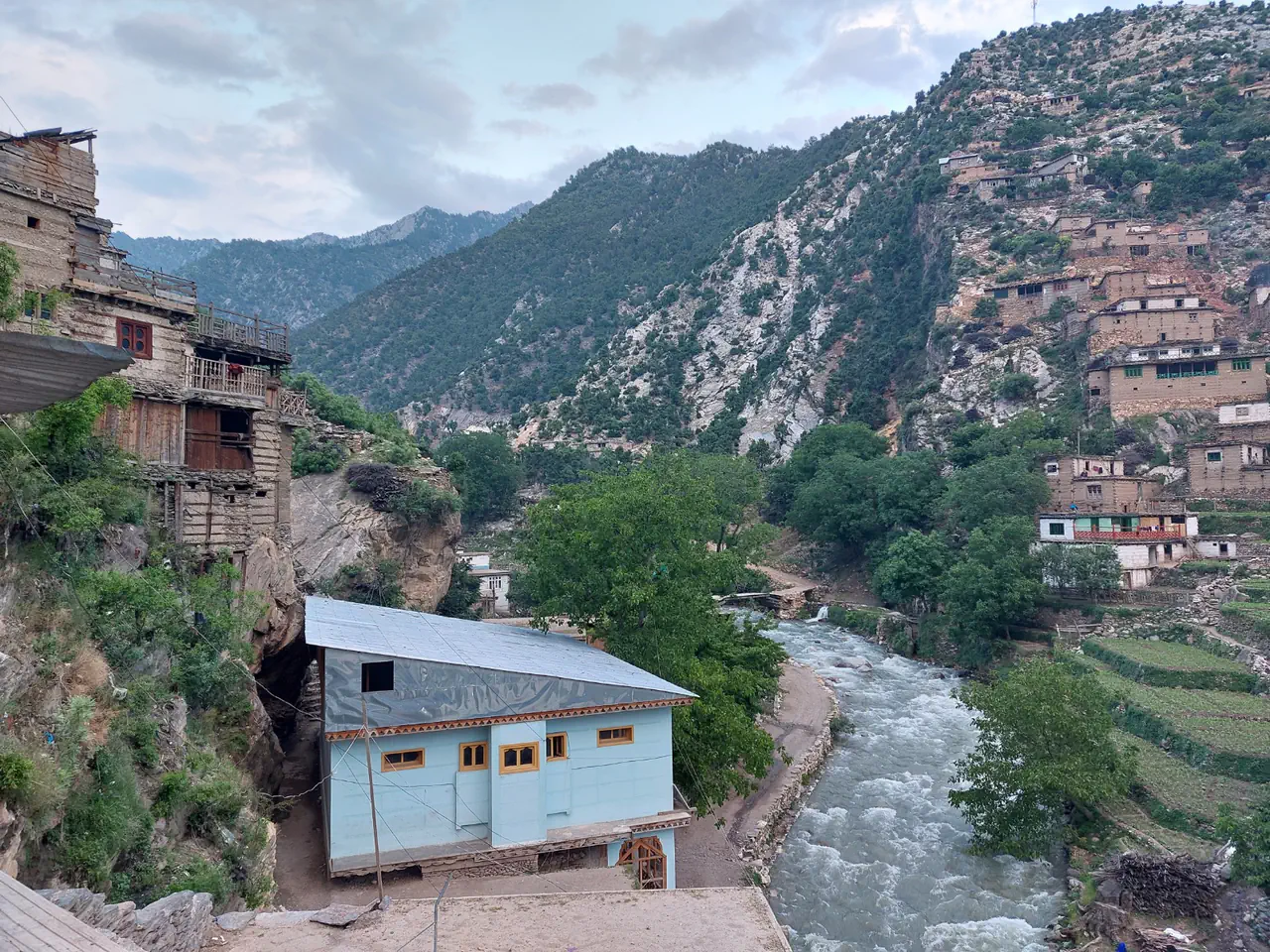
We are from Nuristan, Badakhshan's neighbour, and we source Sar-e Sang lapis at first hand. Our page on Afghan lapis lazuli covers the grades the trade uses, how to tell real lapis from dyed stone and fakes, what it sells for with the source of every figure, and how to buy it.
Questions people ask
What does lapis lazuli mean?
Stone of lazward. Lapis is Latin for stone; lazuli comes, through medieval Latin lazulum and the Arabic lazaward, from the Persian lazhward, the name of the blue stone and, on one old reading, of a place in Badakhshan in north-eastern Afghanistan where it was mined.
What does the Latin word lapis mean?
Stone. The same word is in lapidary, a cutter of stones, and dilapidated, a building whose stones have come apart. Lapis lazuli is the stone of lazulum, the medieval Latin form of the stone's Persian name.
What does lazuli mean?
It is the genitive of lazulum, the medieval Latin borrowing of the Persian name for the stone, lazhward or lajward. In medieval Latin lazulum also came to mean the sky, and from the same root came the English azure and the Spanish and Portuguese azul.
Is azure named after lapis lazuli?
Yes. English azure came from Old French azur, from the Arabic lazaward, from the Persian name of lapis lazuli. The Spanish and Portuguese word for blue, azul, has the same origin. The colour word began as the name of the stone.
What is the spiritual meaning of lapis lazuli?
Modern crystal sellers say lapis brings wisdom, truth and calm; those are beliefs, not properties anyone has shown. The meanings in the historical record are different: in Mesopotamia it was the chief material for magic stones and seals, in Egypt a favourite stone for amulets and scarabs, and in Renaissance painting its pigment was kept for the robes of the Virgin Mary.
Where does lapis lazuli come from?
Most of the finest lapis in history has come from the Sar-e Sang mines above the Kokcha river in Badakhshan, north-eastern Afghanistan, worked for more than six thousand years. It is also mined near Ovalle in Chile, west of Lake Baikal in Russia, and in smaller amounts elsewhere.
Sources
- Wikipedia: Lapis lazuli (etymology, history and the sources it cites)
- Wikipedia: Ultramarine (the pigment, its trade through Venice and its price)
- Wikipedia: Lajvardina, the Ilkhanid blue-and-gold ware
- GIA: Lapis lazuli history and lore
- Radini et al., Medieval women's early involvement in manuscript production suggested by lapis lazuli identification in dental calculus, Science Advances, January 2019
- Richard Covington, The Celestial Stone, Saudi Aramco World, March 2013
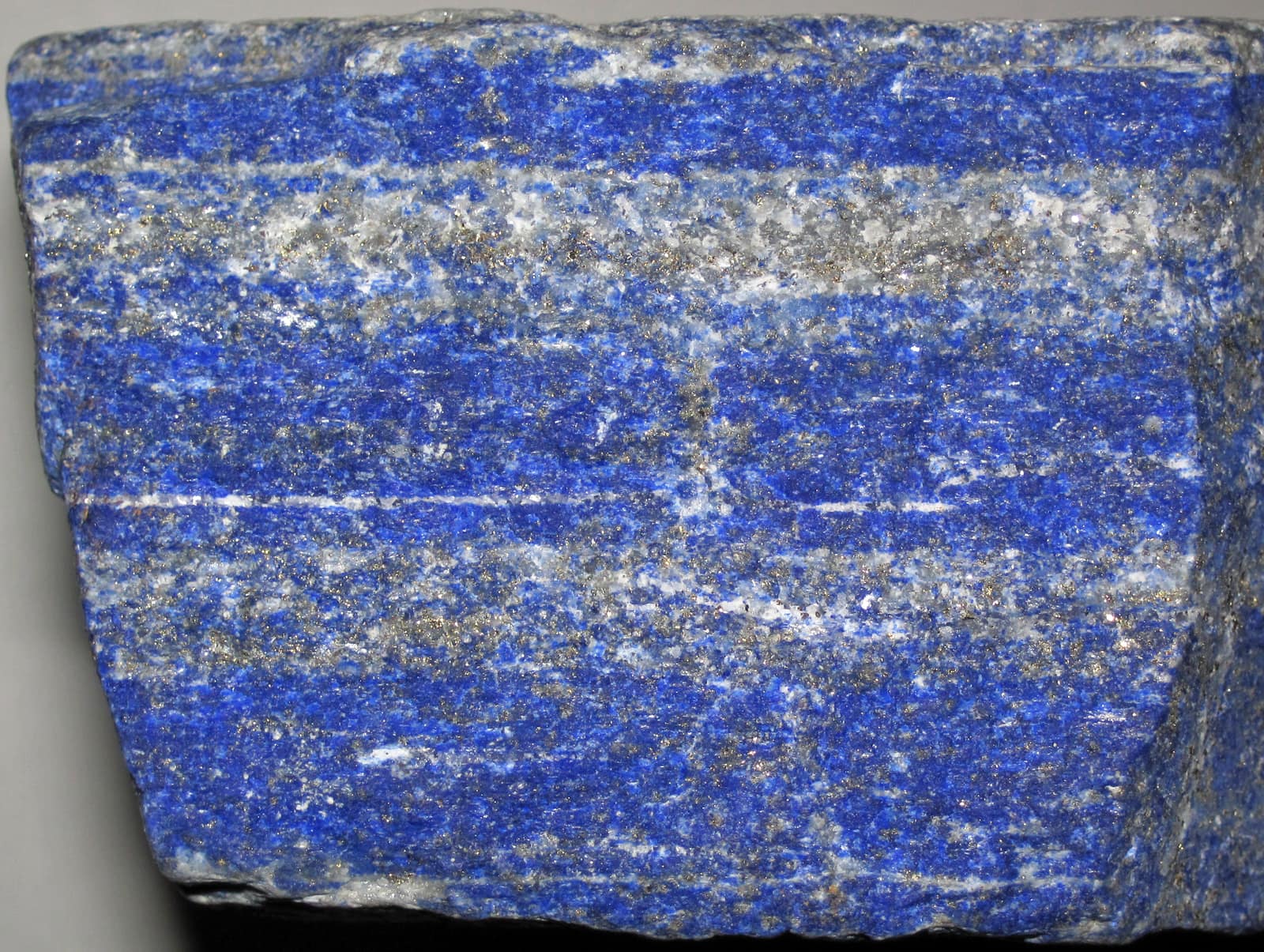
- Photograph of polished Sar-e Sang lapis: James St. John, CC BY 2.0, via Wikimedia Commons
- Photograph of lazurite from Sar-e Sang: Didier Descouens, CC BY-SA 4.0, via Wikimedia Commons