Skip to content
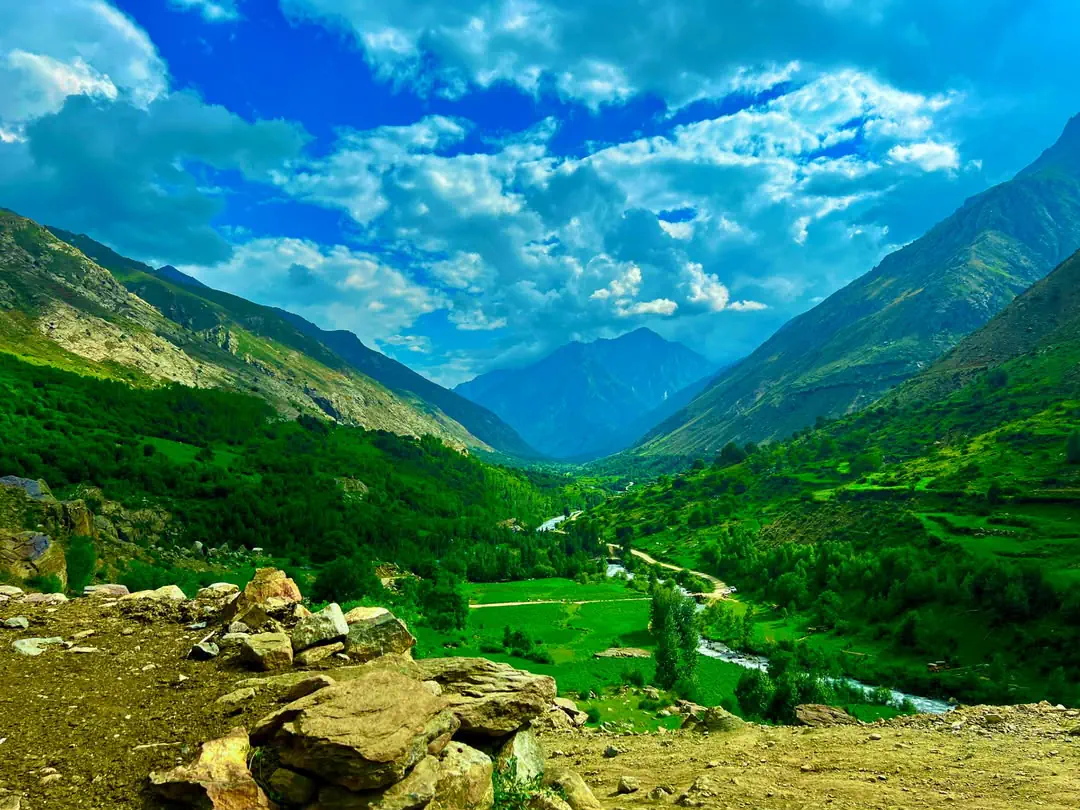
The Parun valley seen from above, green fields along the river between steep mountainsides
Support Nuristan: Where to Give After the Flood

Help Nuristan recover, and prepare for next time

Where to give after the Parun flood, what the valleys need before winter, and the ways to help that do not involve money.

Why this page

A province that floods

Nuristan is one of the most disaster-prone provinces in Afghanistan. Steep valleys, summer monsoon rain, snowmelt and settlements built along the rivers mean that floods and landslides come most years, and the province is a long way from the help that arrives quickly elsewhere. On 20 July 2026 a flash flood came down the Parun river through the provincial capital and destroyed its market, killing dozens of people. This page exists because of that day, and it will stay up for whatever comes next.

It sets out what the valleys need, which organisations have staff on the ground and take donations, and the other ways to help that do not involve money at all. We update it as the situation changes.

Parun district, where the July 2026 flood struck. Tap another district to open its guide.
The need

What Parun needs now

Two months after the flood the emergency phase is over. The next phase is harder and less visible, and it has to happen before the snow.

Shelter before winter

Dozens of families in Parun lost their houses, and winter comes early at 2,500 metres. They need rebuilt homes or solid winter shelter, not tents that will not last the snow.

Clean water for a thousand families

The flood cut the water supply serving around a thousand households. Until the network is rebuilt, families are relying on trucked water and purification tablets.

Bridges and roads

Four bridges and six stretches of road were damaged. Each one that stays broken keeps traders, patients and schoolchildren from moving, and slows every delivery of aid.

Cash for people who lost their livelihoods

Around seventy shops, eleven hotels and forty vehicles were lost. Shopkeepers need capital to open again, which is why cash grants do more good than parcels.

Protection walls and a warning system

Parun's bazaar stood on the riverbank with no flood wall and no warning beyond people shouting. The town needs both, so that the next flood costs money and not lives.

Where to give

Organisations working on the Nuristan floods

Each of these has staff or partners in the province and a public record of what it is doing. Give money rather than goods: it moves faster up a broken road, and it lets families buy what they need in the local market.

We have no connection with any of them, and any other official organisation you trust is just as good.

Afghan Red Crescent Society and the IFRC

First on the ground in Parun. The IFRC runs an emergency page for the Nuristan flood.

The Red Crescent is Afghanistan's national humanitarian society; the IFRC is its international federation.

Visit their appeal
UNICEF Afghanistan

Set up the field clinic in Parun and runs mobile health teams in the surrounding villages.

The United Nations children's agency, with a long-standing country programme in Afghanistan.

Visit their appeal

Humanitarian Coalition

Funds cash grants of 170 US dollars to flood-hit households in Nuristan and Nangarhar through Community World Service Asia.

A group of Canadian aid agencies that pools appeals for disasters, with matching from the Canadian government.

Visit their appeal

Penny Appeal USA

Nuristan flood emergency appeal for tents, blankets, water purification kits, medicine and food packs.

A Muslim-led charity with relief programmes across South Asia.

Visit their appeal

UN OCHA Afghanistan

Coordinates the whole humanitarian response and publishes the situation reports we rely on.

The UN Office for the Coordination of Humanitarian Affairs. It does not take public donations itself but runs the pooled fund that many agencies draw on.

Visit their appeal
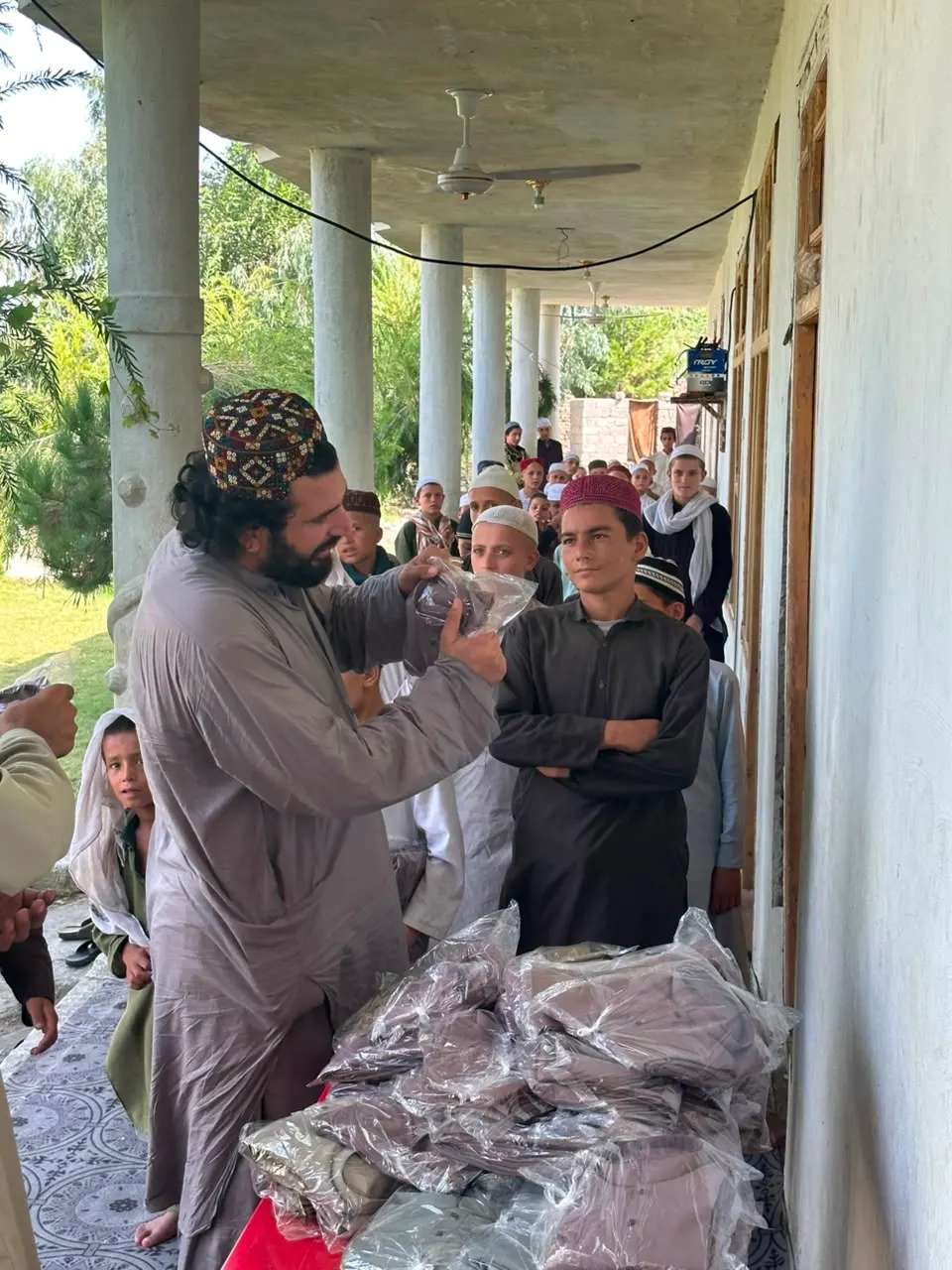
Abdulrahman Chonish handing packaged clothes to boys lined up on a veranda in Nuristan
On the ground

Help that reaches the villages

Our team lives and works in the province. When a village needs something specific, a family that lost its roof, a school without books, a clinic short of one medicine, we hear about it directly, and we can put donors in touch with the people who will carry it up the valley.

We do not handle money ourselves. What we can do is tell you honestly what is needed, where, and who is already doing it well.

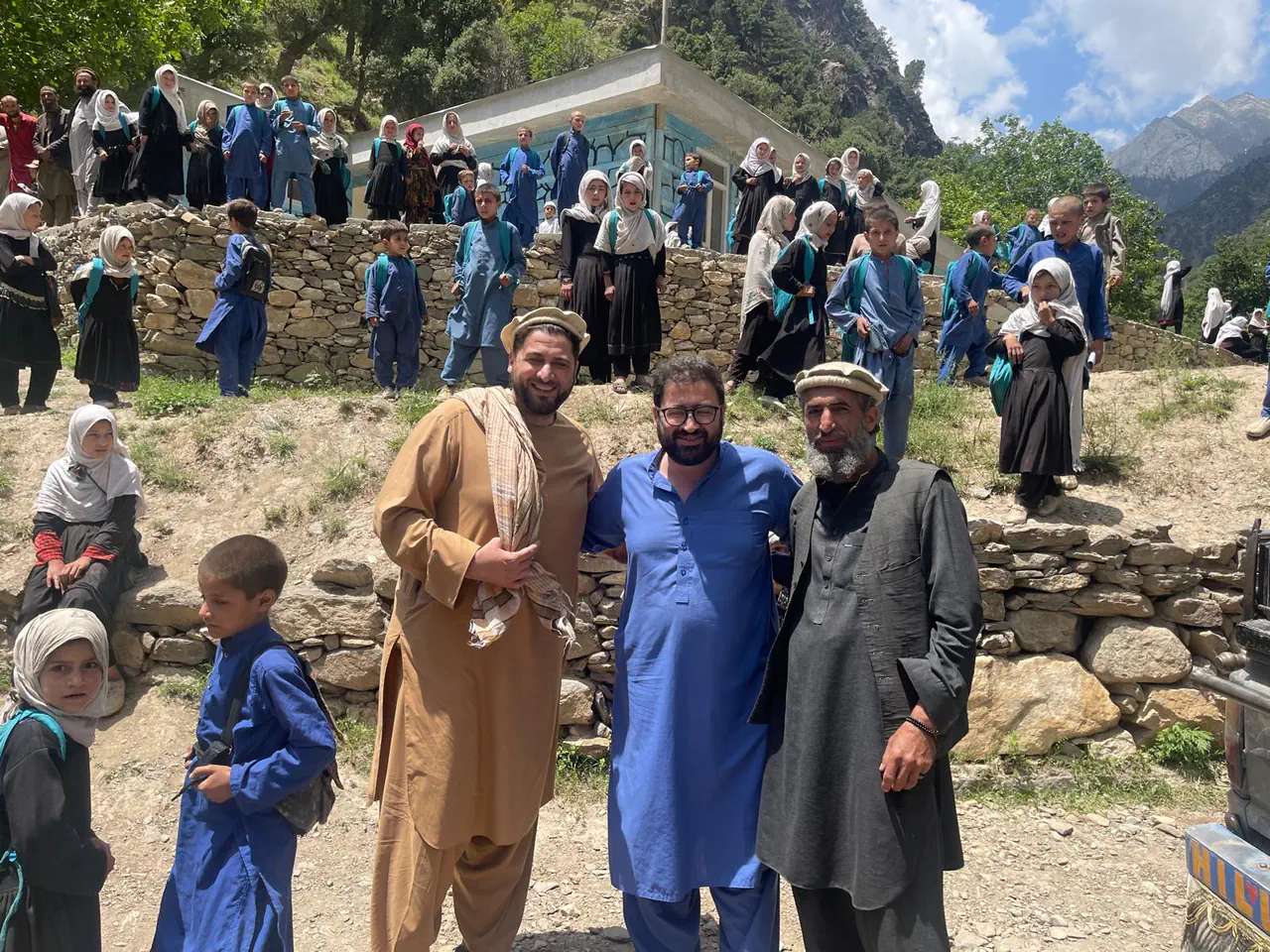
Zabiullah Amiri with two companions in front of a village school in the Yinshaw valley of Waygal district, dozens of pupils in blue and white on the stone terraces behind
Zabiullah Amiri, our director, at a school in the Yinshaw valley of Waygal district. Schools like this one are where we hear what a village needs.
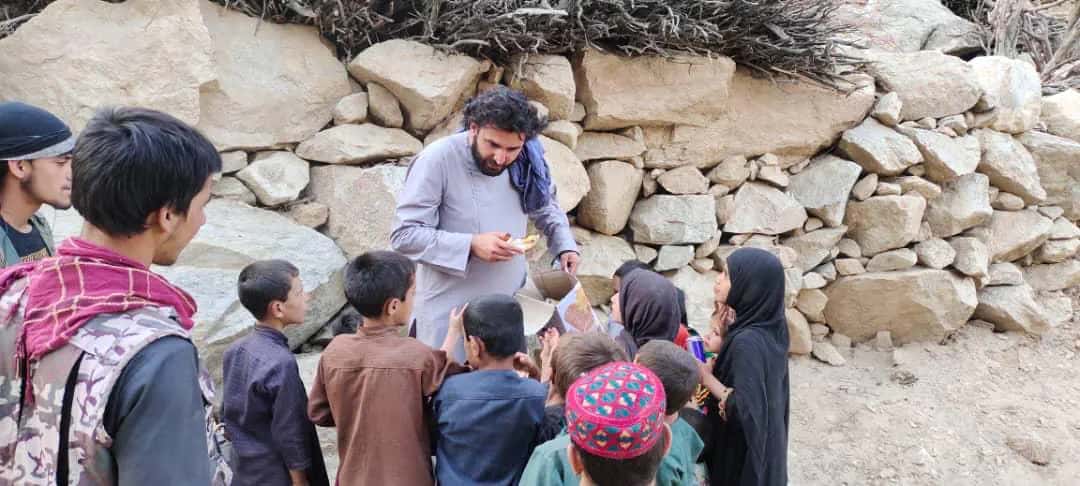
Abdulrahman Chonish handing out gifts to a crowd of village children in the Kuraj valley of Mandol, boys and girls gathered round him in front of a dry-stone wall
Abdulrahman Chonish, who leads our tours, handing out gifts to children in the Kuraj valley of Mandol district.
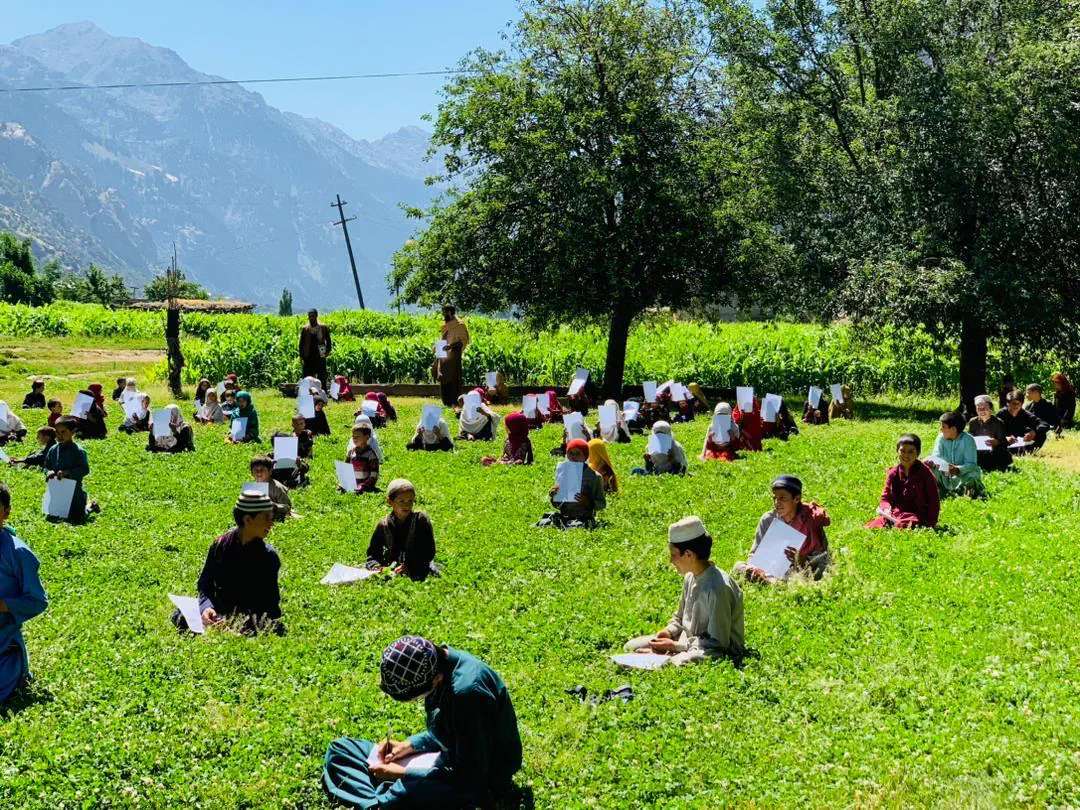
Schoolchildren in Kantiwa sitting their exams outdoors on the grass, each with a sheet of paper, a maize field and mountains behind
Exams in the open air in Kantiwa: the school has no room for them, so the children sit them on the grass.
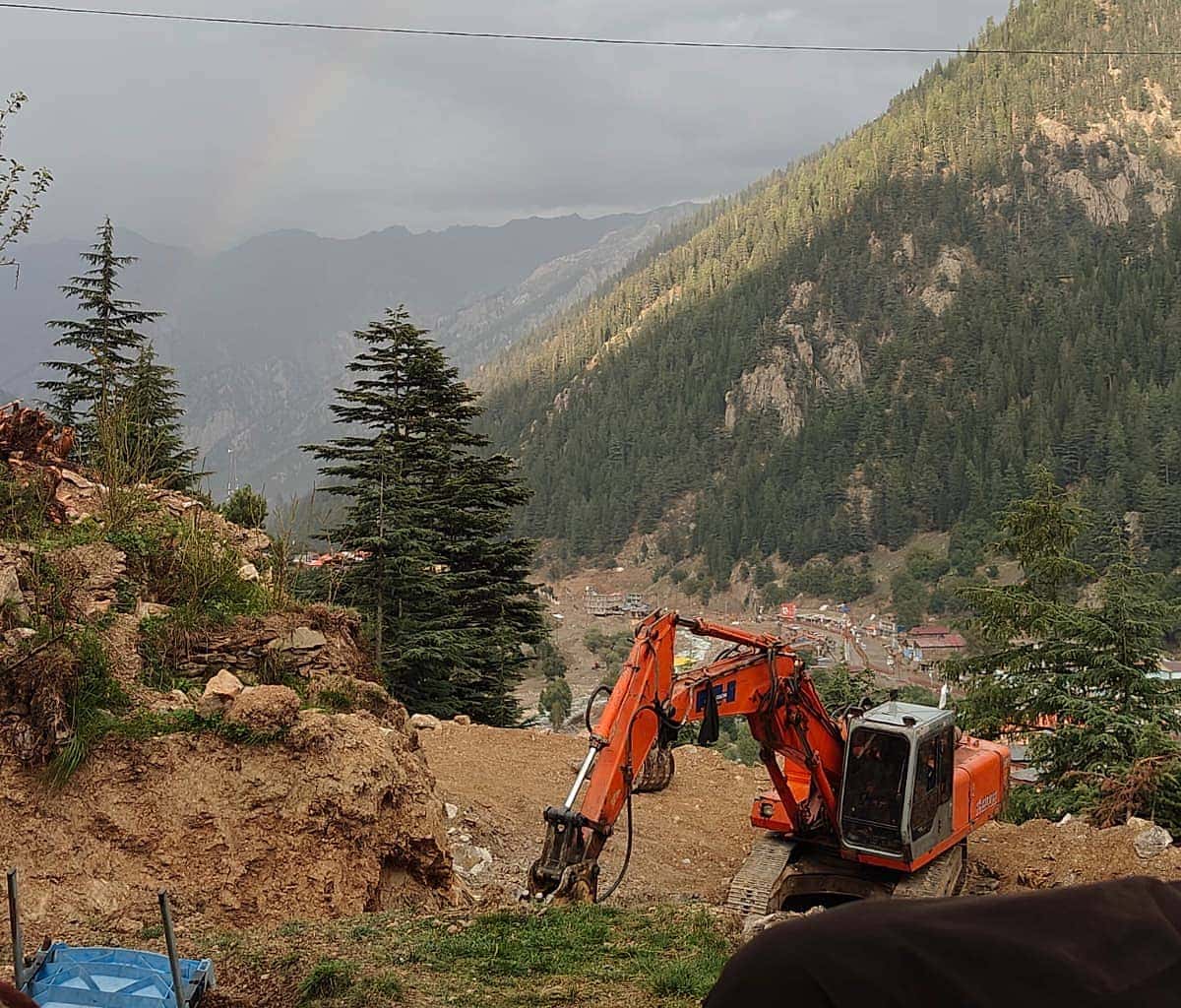
An excavator carrying out rebuilding work on a hillside above Parun, Nuristan
Bridges and roads

In Parun, the rebuilding is slow, and it is happening

This machine is at work above Parun itself. Roads, bridges and flood defences do not repair themselves in terrain like this: equipment has to be brought up the same broken roads it is meant to fix, and every stretch reopened saves the next delivery of aid a day or more.

This is the unglamorous half of recovery: no single dramatic moment, just months of the valley being put back together piece by piece.

Beyond money

Other ways to help

Give money, not goods

Parcels have to travel two days up a broken mountain road. Cash lets a family buy what it needs in the local market, which also puts income back into a town that lost its shops.

Buy what Nuristan makes

Walnuts, morels, rugs, carved cedar and the pakol are made by families in the valleys. Buying from them is the most direct income there is.

Visit, with local guides

Tourism spends money in guesthouses, on drivers and on food. Travel with our team from the province and it stays in the villages.

Keep the story alive

Nuristan rarely makes the news, and when it does it is gone in a day. Ask your local paper, your mosque, your council or your employer to notice. Share the figures on our flood page rather than rumours.

Send us what you know

If you have family in the valleys, or you are organising help and want it listed here, write to us. We check what we can and we update this page.

Updates

What has happened, and when

A dated log, newest first. We add to it as verified information reaches us.

  1. This page opens

    Two months after the Parun flood, the emergency phase is over and rebuilding has to happen before winter. We have published a full account of the flood and will log developments here.

    Read the full account
  2. Flooding in Waygal

    Heavy rain and flooding in Waygal district damaged orchards and crops during a wider spell of floods across eastern Afghanistan.

  3. Fresh floods in Mandol

    Floods in the Dehand Rahra area of Mandol district injured about 30 people and destroyed houses, water mills, roads and seven irrigation canals.

  4. The toll rises

    ANDMA confirmed 23 dead, more than 80 injured and over 100 missing in Parun, with the mayor among the dead. UNICEF began setting up a field clinic and India sent food and tents.

  5. The Parun flood

    At about three in the afternoon a flash flood came down the Parun river through the provincial capital, sweeping away the bazaar, hotels and houses along the river.

Get in touch

Write to us

A question, a correction, or something you can add to this page: your message goes to Obaid, who is from Nuristan, and his team in Afghanistan and the UK. We reply to every message.