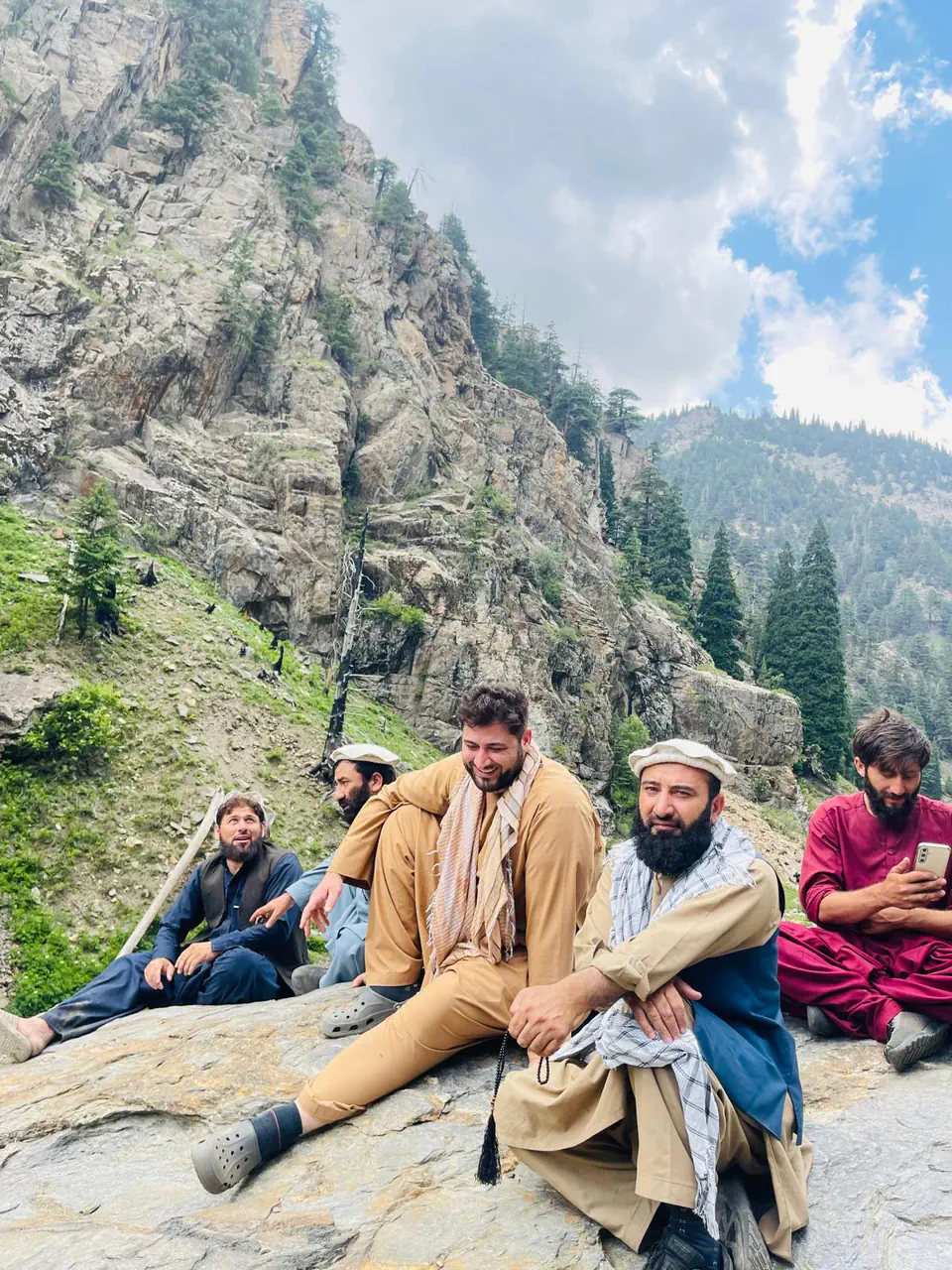
Nuristani interpreting and translation
Waygali-ala, Kati, Kamviri, Prasun and Ashkun, with Dari and Pashto, by native speakers: in person in the United Kingdom, by telephone and video anywhere, for tribunals, solicitors, public services, researchers and media.
When there is no one else to call
The Nuristani languages are spoken by perhaps 150,000 people in the valleys of eastern Afghanistan and by a scattered diaspora, and by almost nobody else. Google Translate does not have them. The agencies that hold the British court and Home Office contracts do not list them. When a tribunal, a solicitor, a hospital, a police force, a researcher or a film-maker needs someone who understands Waygali-ala or another Nuristani language, there is usually no one to call. We are from Nuristan: Waygali-ala is our mother tongue, we work with native speakers of the other Nuristani languages, and we also speak Dari, Pashto and English.
This page sets out what we interpret and translate, for whom, how it works in the United Kingdom and abroad, what the published frameworks and rates are, and the honest position on qualifications: no examination exists for any Nuristani language anywhere in the world, so the registered route runs through Dari and Pashto, with Nuristani offered as the rare language it is. If you have an Afghan client, patient, witness or recording and the words are not Dari or Pashto, write to us.
- Nuristani languages
- Waygali-ala (Kalasha-ala), Kati, Kamviri, Prasun, Ashkun
- Also
- Dari, Pashto and English
- Interpreting
- In person in the UK, by telephone and video anywhere
- Translation
- Documents, recordings, transcripts, subtitles
- For
- Tribunals, solicitors, public services, researchers, archives, media
- Registration
- No Nuristani exam exists; registered route via Dari and Pashto
- Rates
- Per hour, per day or per word, quoted
- Based
- United Kingdom, with the team in Nuristan
Six kinds of work
Legal and asylum interpreting
For solicitors preparing statements, for Home Office interviews, for the First-tier and Upper Tribunals, and for appeals where the appellant's first language is a Nuristani one and the dialect question matters. In person in the United Kingdom, by video elsewhere.
Public services
Hospitals, GP surgeries, social services, schools and police, by telephone or video at short notice, in the Nuristani languages, Dari and Pashto.
Translation and transcription
Letters, identity and land documents, witness statements, recorded interviews and voice messages, with a certified translation where one is needed. Transcripts of Nuristani-language audio with time codes for lawyers, researchers and editors.
Research and archives
Transcription, translation and annotation of field recordings for linguists and anthropologists, work on archive material in Nuristani languages, and native-speaker checking of published grammars and word lists. We know the dialect differences between the valleys because we grew up with them.
Media and subtitling
Translation and subtitling of interviews and rushes from Nuristan and eastern Afghanistan, name and place checking before broadcast, and interpreting on location through our fixer service.
Dialect and origin questions
Where a case turns on whether a speaker is from Nuristan, which valley, or which dialect, we can listen and give a plain written opinion from native knowledge. We say what we hear and how sure we are, and we do not pretend to be a laboratory.
More Afghan appeals, and languages nobody else has
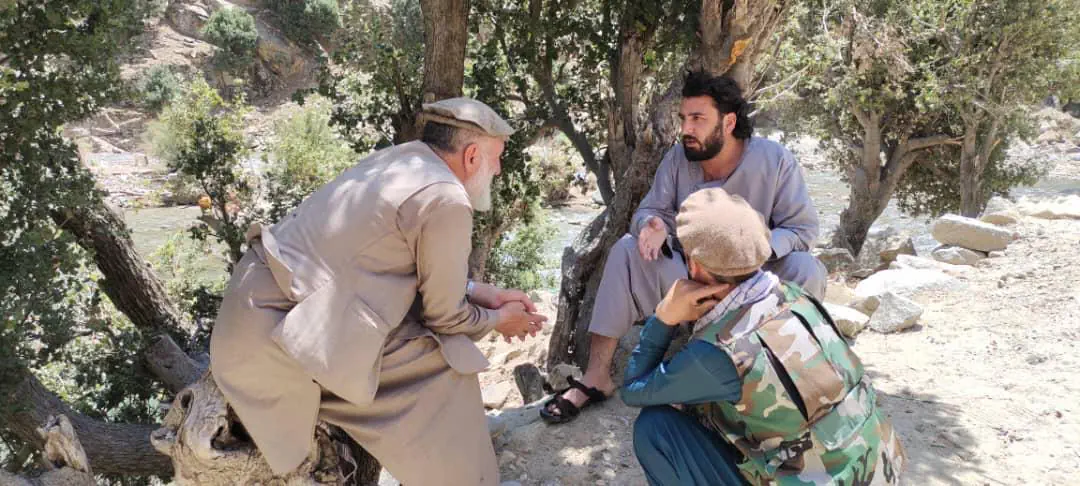
Afghans were the second largest group of people claiming asylum in Britain in 2024, and the grant rate for Afghan claims fell from 99 per cent in 2023 to below 40 per cent in 2025, so more cases go to appeal, where the exact words of a statement matter. Most Afghan appellants speak Dari or Pashto; a minority from Nuristan speak those languages as a second tongue and give their best evidence in their own. An interpreter who shares the language also hears when a place name, a tribe or a custom has been mistranscribed, which is where cases are lost.
The same scarcity applies to research. A grammar of Kati was published in 2024, an etymological dictionary of the Nuristani lexicon is in progress in Berlin, and the Cologne archive holds recordings in the Nuristani languages, yet the number of native speakers working with those projects can be counted on one hand. We have been the native-speaker check for the language pages on this site, with the recorded forms kept exactly as the linguists wrote them.
How interpreting is bought in Britain and America, and what it pays
In the United Kingdom the courts and tribunals book interpreters through contracted agencies, with thebigword the primary supplier and Translate UK the secondary one from October 2026, and the Home Office through its own Interpreter and Language Services Unit, which recruits in named languages including Pashto and Dari but no Nuristani language. Where a language is rare, the unit's own notice says applicants should contact it to discuss options. Agencies do advertise for Nuristani interpreters when a case arises, which is how we know the need exists.
The published rates are modest. The Crown Prosecution Service pays a minimum of 85 pounds for up to three hours and 7.50 pounds for each further quarter hour; police guidance sets 35 pounds an hour on weekdays and more at weekends; legal aid caps telephone interpreting at 25 to 28 pounds an hour; agency adverts for Dari and Pashto interpreters in 2025 ranged from about 12 to 35 pounds an hour. In the United States the federal courts pay a language-skilled interpreter 350 dollars a day and the immigration court contractor advertises 39 to 52 dollars an hour. Translation is quoted per word, typically 3 to 16 US cents in the agency market for Dari and Pashto.
Registration runs through the National Register of Public Service Interpreters, which accepts Level 6 qualifications such as the Diploma in Public Service Interpreting. No examination exists for any Nuristani language, and the register's own guidance acknowledges the difficulty rare languages face. The honest route, which is ours, is to hold, or be completing, the registered qualifications in Dari or Pashto and to offer the Nuristani languages as a rare-language extra, saying so plainly to every client. For a tribunal that needs a Nuristani speaker there is no registered alternative.
Tell us the language, the setting and the date
Tell us the language or the valley if you know it, the setting (tribunal, interview, hospital, recording), the date and the place or the platform, and send a sample of any recording. We confirm the same day which of us can take it and quote per hour, per day or per word. For legal work we provide a statement of the interpreter's languages, qualifications and experience for the file, and we say in writing when a Nuristani language is being interpreted by a native speaker without a registered qualification in it, because no such qualification exists.
Asked by solicitors, agencies and researchers
Is there a Nuristani interpreter in the UK?
Yes. We are native speakers of Waygali-ala and other Nuristani languages, based in the United Kingdom with a team in Nuristan, and we interpret in person in Britain and by telephone or video anywhere. The court and Home Office agencies do not list the Nuristani languages, which is why solicitors and agencies come to us when a case needs one.
What languages are spoken in Nuristan?
Five Nuristani languages, each with dialects: Kamkata-viri (Kati, Kamviri and Mumviri) in the north and east, Waygali-ala (called Kalasha-ala in the books) in the Waygal valley, Ashkun in the Wama and Pech country, Prasun in the Parun valley, and Tregami in three villages of the Tregam valley. Most men also speak Dari or Pashto. Few people speak English.
Does Google Translate support Nuristani?
No. None of the Nuristani languages is in Google Translate or in any machine translation system, and none appears on the language lists of the agencies that hold the British court and Home Office contracts or the US immigration court contract. A human native speaker is the only option.
Are you registered public service interpreters?
The registered route runs through Dari and Pashto, because no examination exists for any Nuristani language; the National Register of Public Service Interpreters accepts Level 6 qualifications only in languages where one is offered. We hold or are completing those qualifications in Dari and Pashto and offer the Nuristani languages as the rare-language extra they are, and we say so in writing on every legal job.
How much does a Nuristani or Dari interpreter cost?
We quote per hour, per day or per word, in line with the published frameworks: the Crown Prosecution Service's 85 pounds minimum for three hours, police rates of 35 pounds an hour, legal aid's 25 to 28 pounds an hour for telephone interpreting, and agency rates of 12 to 35 pounds an hour for Dari and Pashto. Nuristani work is priced above Dari and Pashto because there is no one else to do it.
Can you tell which valley someone is from by their speech?
Often, yes. The Nuristani languages differ sharply from valley to valley and village to village, and a native speaker hears it. We can listen to a recording and give a plain written opinion on the language, the dialect and our confidence. It is a native speaker's judgement, not a laboratory analysis, and we describe it as such.
Do you translate documents and recordings?
Yes: letters, identity and land papers, statements, recorded interviews and voice messages, with certified translations where a court or the Home Office needs one, meaning a signed statement of the translator's languages, qualifications and experience, and time-coded transcripts of Nuristani-language audio for lawyers, researchers and editors.
Do you work with researchers and archives?
Yes. We transcribe, translate and annotate field recordings, check published word lists and grammars against living speech, and can put a linguist in touch with speakers in the valleys through our team there.
Where the frameworks and figures come from
- NRPSI: Home Office Interpreter and Language Services Unit recruitment notice, July 2025 (languages and requirements)
- NRPSI: handling of rare languages, January 2021
- NRPSI: qualifications and courses, including the Level 6 route
- CIOL: Ministry of Justice letter on the language services contracts from October 2026
- Crown Prosecution Service: witness expenses and allowances, prosecution interpreter rates
- Professional Interpreters for Justice: guidance on rates for interpreters, April 2022
- Legal Aid Agency: CW3 checklist, interpreter hourly rate caps, 2025
- United States Courts: interpreter rate schedule, FY2025
- SOSi: freelance court interpreter posting for the US immigration courts
- Federal Register, 23 September 2020: USCIS contract interpreter language list
- Migration Observatory: Afghan asylum seekers and refugees in the UK, 2025
- Free Movement, 2025: the Home Office is leaving thousands of Afghans in limbo (grant rate figures)
- Translayte: how much does a translator cost in 2025
- University of Cologne: Jakob Halfmann, a grammar of Katë (2024)
- Freie Universität Berlin: the Nuristani etymological dictionary project
- University of Cologne: Nuristani Archive Cologne
- Richard F. Strand: Nuristân, hidden land of the Hindu-Kush (language materials)
Related: Waygali-ala translation, on its own page, all our services, words and numbers in the Nuristani languages, the languages, valley by valley.
Plan your Nuristan journey
Ready to plan a visit, source Nuristani products, or discuss an investment? Your message goes to Obaid, who is from Nuristan, and his team in Afghanistan and the UK. We reply to every message.