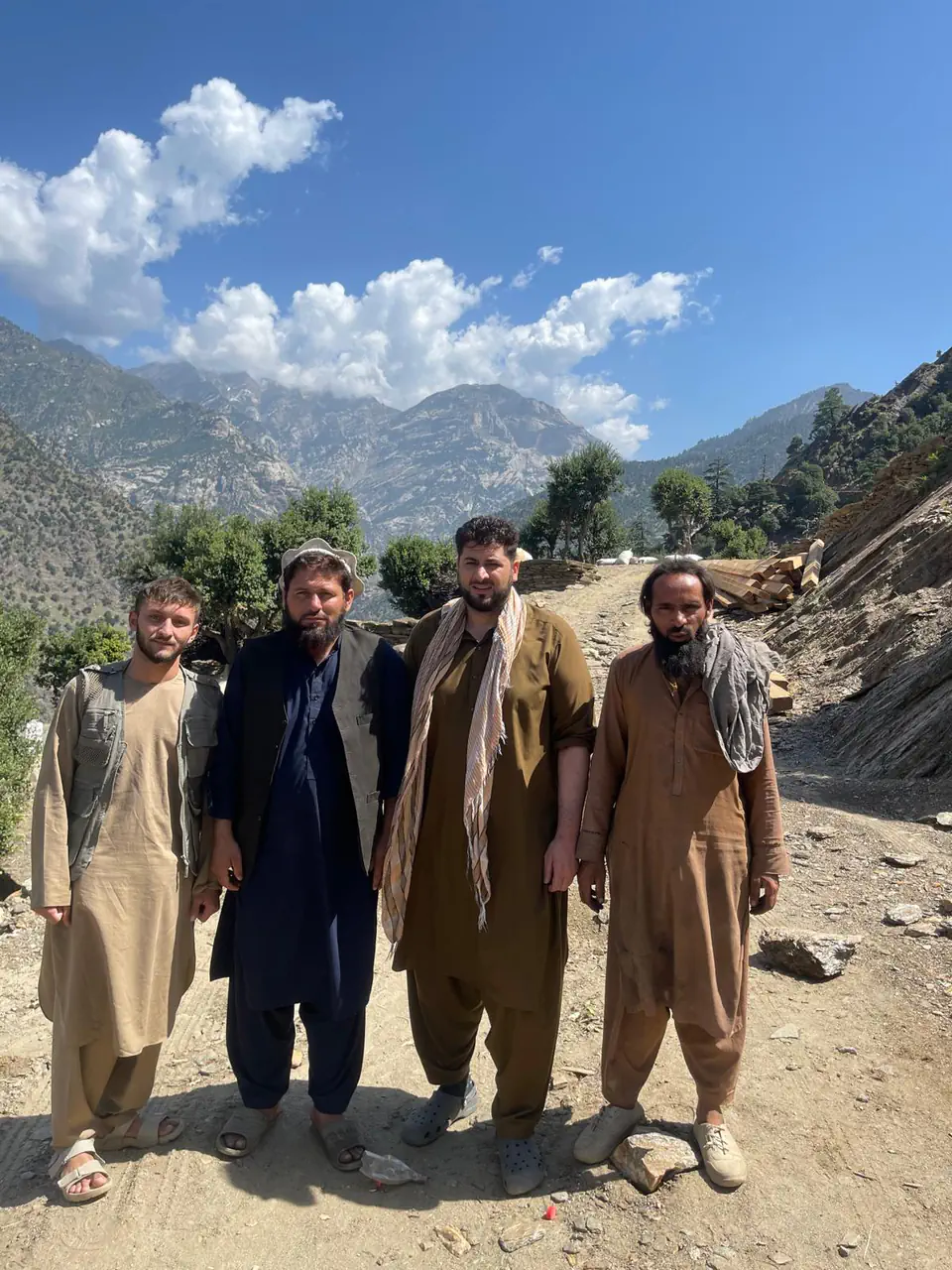
Fixer and local producer in Nuristan
Permits, access, interpreting in the valleys' own languages, drivers, accommodation, research and verification, from a team that lives in the province.
Someone the village trusts
Nuristan is one of the hardest places in Afghanistan for an outsider to work in. The valleys are a day or two from Kabul on roads that flood, the languages are spoken nowhere else, permission has to be carried from the ministry in Kabul to the culture director in each province, and a stranger with a camera is a stranger until someone the village trusts says otherwise. We are that someone. Our team lives in the province, speaks its languages and Dari and Pashto, and has spent years taking visitors, buyers and relatives into the valleys and out again.
This page is for journalists, documentary producers, photographers, researchers and organisations who need to work in Nuristan or neighbouring Kunar and want a local partner who can get the permissions, open the doors, translate, drive, house, feed and brief them, and keep them out of trouble. It sets out what we arrange, how permission works now, what we will not do, how we charge, and the stories the province holds. If you only need research done without travelling, that is on this page too.
- Where
- The central and southern valleys; Kamdesh and Bargi Matal when the people there say it is quiet; Kunar's Pech valley
- Languages
- Waygali-ala; the other Nuristani languages through native speakers on our team; Dari, Pashto, English
- Permits
- Ministry letter in Kabul, provincial culture-director letter, handled
- Transport
- 4x4 vehicles and drivers who know the three river roads
- Stay
- Guesthouses in Parun and the district centres; family homes by arrangement
- Rates
- Per day, quoted to the brief; vehicle and driver separately
- Lead time
- Two to three weeks for permissions; longer in winter
Eight things a crew needs in Nuristan
Permits and letters
Foreign media need accreditation in Kabul and a letter from the provincial Information and Culture directorate for every province they film in. We lodge the paperwork, we tell you what will and will not be allowed before you book a flight, and we carry the letters with you.
Access and people
Elders, miners, woodcarvers, teachers, farmers, flood survivors, the people who run the auctions and the people who dig the stones. We know who to ask and how to ask, and we will tell you honestly when a door will not open.
Interpreting and translation
In the valleys' own languages, which no agency in Kabul can supply, and in Dari and Pashto. Live interpreting on the ground, translation and transcription of your rushes afterwards, and a check on names and places before you publish.
Transport and roads
Vehicles and drivers for the three roads in: up the Pech from Asadabad, up the Kunar and Bashgal for Kamdesh and Bargi Matal, up the Alingar from Laghman for the western districts. We know which bridge is down this month and what the gate fees are.
Accommodation and food
Guesthouses where they exist, family homes where they do not, and meals that respect the season and your crew. Winter and the flood months change what is possible, and we say so.
Research and verification
Background research, fact-checking, finding and vetting contributors, confirming that a place, a person or an event is what a source says it is. We have been doing this for the pages on this site for years, with sources listed.
Safety and logistics
Daily briefings, a plan for medical evacuation to Asadabad, Jalalabad or Kabul, communications where there is no signal, and a clear line on what the authorities have banned. We work to the ACOS Alliance safety principles for freelancers and local staff.
Remote production
If you cannot travel, our team can gather photographs, video and recorded interviews on your behalf where permission allows, deliver them with translations, and sit on your calls as your eyes in the valley.
From the ministry in Kabul to the director in Parun
Working as a foreign journalist in Afghanistan now runs through a defined process, and it is slower than it looks. A journalist's visa comes from an Afghan mission abroad, in Istanbul, Islamabad or Dubai among others; the tourist e-visa launched in March 2026 is for tourists and does not cover reporting. In Kabul the Foreign Ministry's media office vets a visitor's past work and social media, which has taken about a day in published accounts, and the Ministry of Information and Culture then issues a letter and, since 2024, registers journalists in a database and issues identity cards. Each province visited requires a further permission from its own Information and Culture director. Nuristan's is in Parun.
The rules have tightened. In September 2024 the ministry imposed pre-recording and approved-guest rules on broadcasters; some provinces have banned filming people in public; and the Committee to Protect Journalists has documented foreign and Afghan media workers detained by the intelligence service, including an American filmmaker and his Afghan producer in Kabul in 2022. The United Nations has counted more than 250 detentions of journalists since 2021. None of that stops serious work being done in Nuristan; it means the permissions must be real, the subjects agreed in advance, and the local partner someone the officials already know.
What we do is the provincial end of that chain and the valley end of everything else. We will tell you before you travel what we expect to be permitted, lodge the provincial request with your Kabul letter, meet you at the Kunar line, and stay with you. What we will not do is film what has been forbidden, pay anyone to look away, or put a villager in front of a camera who has not agreed to be there.
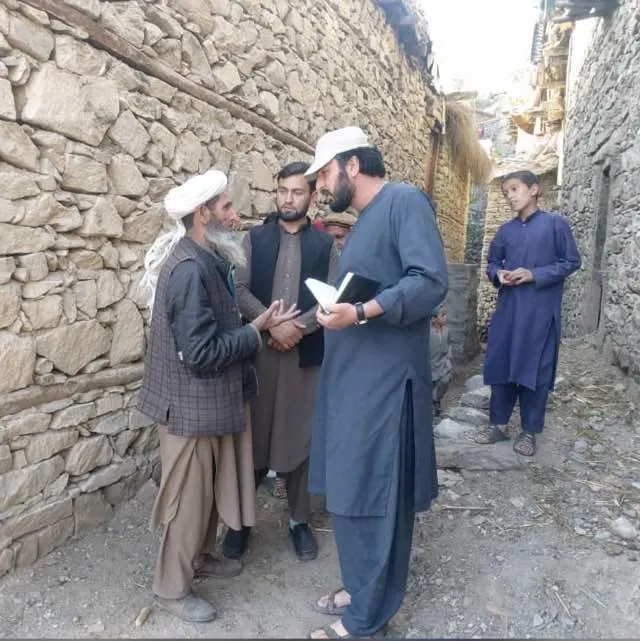
Broadcasters, photographers, academics, organisations
Broadcasters and documentary producers working on Afghanistan who want a province no crew has filmed properly since 2021. Photojournalists and photographers who need weeks rather than days and a host rather than a hotel. Academics, linguists and anthropologists who have worked on Nuristan from archives and need someone in the valleys to record, check and ask. Organisations monitoring aid, floods or forests who need field verification with photographs and dates. Authors, podcasters and travel film-makers who want the story told with the people in it.
What nobody has filmed properly since 2021
The gemstone auctions
Since late 2024 the province sells its kunzite, beryl and tourmaline by open auction, mostly in Du Ab and also in Parun and Kamdesh; the miners, the traders and the money are all on the ground here.
Background on this siteParun after the flood
The July 2026 flash flood took the capital's bazaar and dozens of lives. Rebuilding, protection walls and the next winter are the story now.
Background on this siteThe languages
Five Nuristani languages and their dialects, spoken by perhaps 150,000 people and recorded by almost nobody. Native speakers on our team can take a linguist to the villages.
Background on this siteWoodcarving and the carved houses
The chairs, pillars and mosques that made Nuristan famous in the museums, and the carvers still working.
Background on this siteThe national park that exists on paper
Declared in 2020 over the whole province, never gazetted; the cedar forests, the logging and the markhor.
Background on this siteWanat and Kamdesh, seventeen years on
The two American battles of 2008 and 2009 were fought in these valleys; the villages, the outposts and the people who remember them are reachable.
Background on this site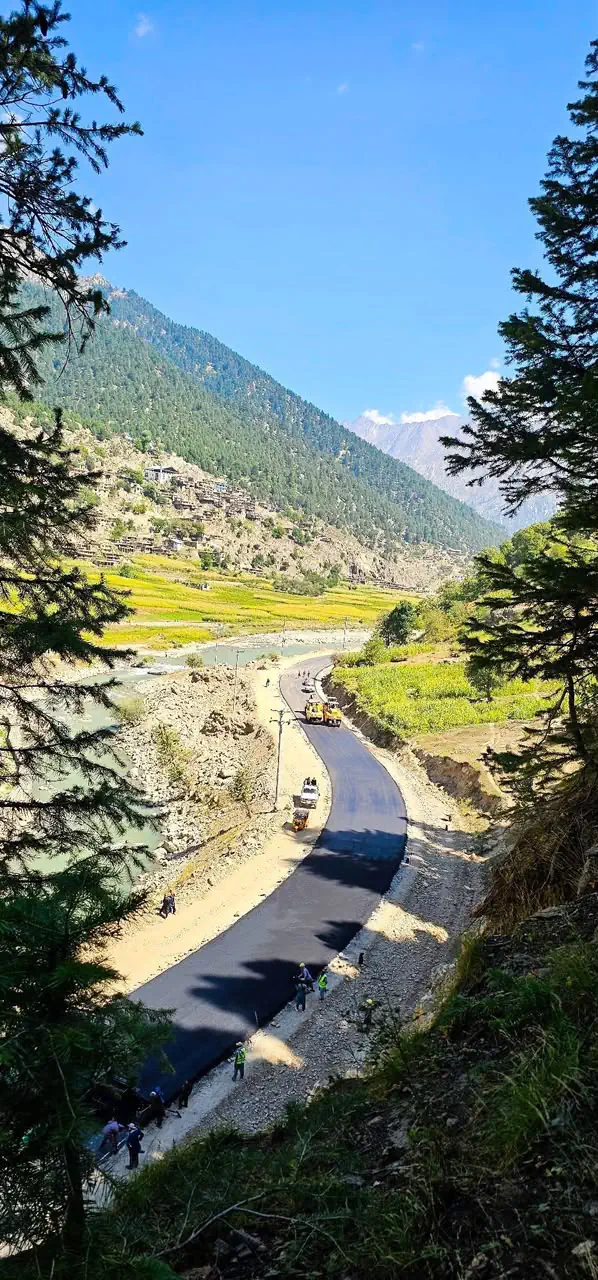
Per day, in writing, with our people paid properly
We quote per day, to the brief, with the vehicle and driver priced separately, and we put the whole figure in writing before you commit. Published research puts fixers' base pay across the world between 50 and 400 US dollars a day; Nuristan sits in the upper half of that range because of the permits, the distances and the languages, and because our team is paid properly for the days they work for you. Translation and transcription of rushes afterwards is priced per hour of material.
Our terms are the ones most commissioning editors already work to: fair pay, prompt payment, and no pressure on anyone to take a risk they have not agreed to.
Asked by crews and researchers
How do journalists get permission to film in Afghanistan in 2026?
With a journalist's visa from an Afghan mission abroad, vetting by the Foreign Ministry's media office in Kabul, a letter and registration from the Ministry of Information and Culture, and a separate permission from the Information and Culture director of each province visited. The tourist e-visa does not cover reporting. We handle the provincial end for Nuristan and brief you on the rest.
Do I need a fixer in Nuristan?
Yes, for practical reasons more than formal ones. The valleys speak languages no Kabul fixer has, the roads and bridges change by the month, permission has to be carried to the provincial directorate in Parun, and a village will not open to a stranger without someone it knows. A local partner is the difference between a week of filming and a week of waiting.
What does a fixer cost in Afghanistan?
Published research puts fixers' base pay between 50 and 400 US dollars a day worldwide, with vehicles and drivers extra. We quote per day to your brief, in the upper half of that range for Nuristan, and put the full figure in writing. We do not publish a price list because a two-day visit to Kamdesh and a three-week documentary across five districts are different jobs.
Can foreign journalists travel to Nuristan at all?
Yes, with permission. Reporters and photographers have worked in Parun and the Pech valley since 2021, and the authorities have promoted the province for visitors. The constraints are the permissions, the roads, the season and the subjects the authorities have ruled out, all of which we tell you about before you book.
Is Nuristan safe for a film crew?
The British and American governments advise against all travel to Afghanistan, and your organisation's security adviser will make the call. Within that, Nuristan's particular risks are the roads, floods and landslides in summer, snow in winter, remoteness from medical care, and the rules on filming. Our page on whether Nuristan is safe sets out what we know, and we build a medical and communications plan into every job.
Which languages are spoken in Nuristan?
Five Nuristani languages, each with dialects: Kamkata-viri (Kati, Kamviri and Mumviri), Waygali-ala, Ashkun, Prasun and Tregami. Most men also speak Dari or Pashto; few people speak English. Our team interprets in the valleys' own languages, which no agency can supply.
Can you arrange drone filming?
Rarely. Drone permissions are tightly controlled and usually refused; we will ask the directorate on your behalf and tell you the answer before you pack one. Flying without permission would end the trip for everyone.
Do you work with researchers and NGOs as well as media?
Yes. Linguists and anthropologists who need recordings made or checked, organisations that need field verification with photographs and dates, and authors who need people found and interviewed. It is the same team and the same permissions, priced in the same way.
Can you do the work without me travelling?
Where permission allows, yes. Our team can gather photographs, video and recorded interviews to your brief, deliver them with translations, and join your calls from the valley.
Where the facts on this page come from
- Hollie McKay, Dispatch from Afghanistan: more than a year on, on the permit process for foreign media, 2022
- SATP: the Ministry of Information and Culture registers journalists and issues identity cards
- Committee to Protect Journalists, August 2022: American filmmaker and Afghan producer detained in Kabul
- Committee to Protect Journalists, September 2024: pre-recording and approved-guest rules for broadcasters
- NBC News, November 2024: the United Nations counts more than 250 journalist detentions since 2021
- Global Investigative Journalism Network: fixing the journalist-fixer relationship, with the 50 to 400 US dollar day-rate range
- Pulitzer Center grantee field post: 100 US dollars a day for car and fixer in Afghanistan
- ACOS Alliance: Freelance Journalist Safety Principles
- Global Investigative Journalism Network: freelancing, safety and security resources
- Koryo Tours, 11 March 2026: Afghanistan e-visa guide (tourist visa only)
- 8am Media, 25 June 2026: Nuristan's tourism gate fees and the state of the roads
- UK FCDO: Afghanistan travel advice, updated 30 July 2026
- US Department of State: Afghanistan travel advisory, 20 February 2026
- journalist.net: fixers for hire in Afghanistan
Related: all our services, interpreting and translation, photographs and film to licence, how to get to Nuristan.
Plan your Nuristan journey
Ready to plan a visit, source Nuristani products, or discuss an investment? Your message goes to Obaid, who is from Nuristan, and his team in Afghanistan and the UK. We reply to every message.