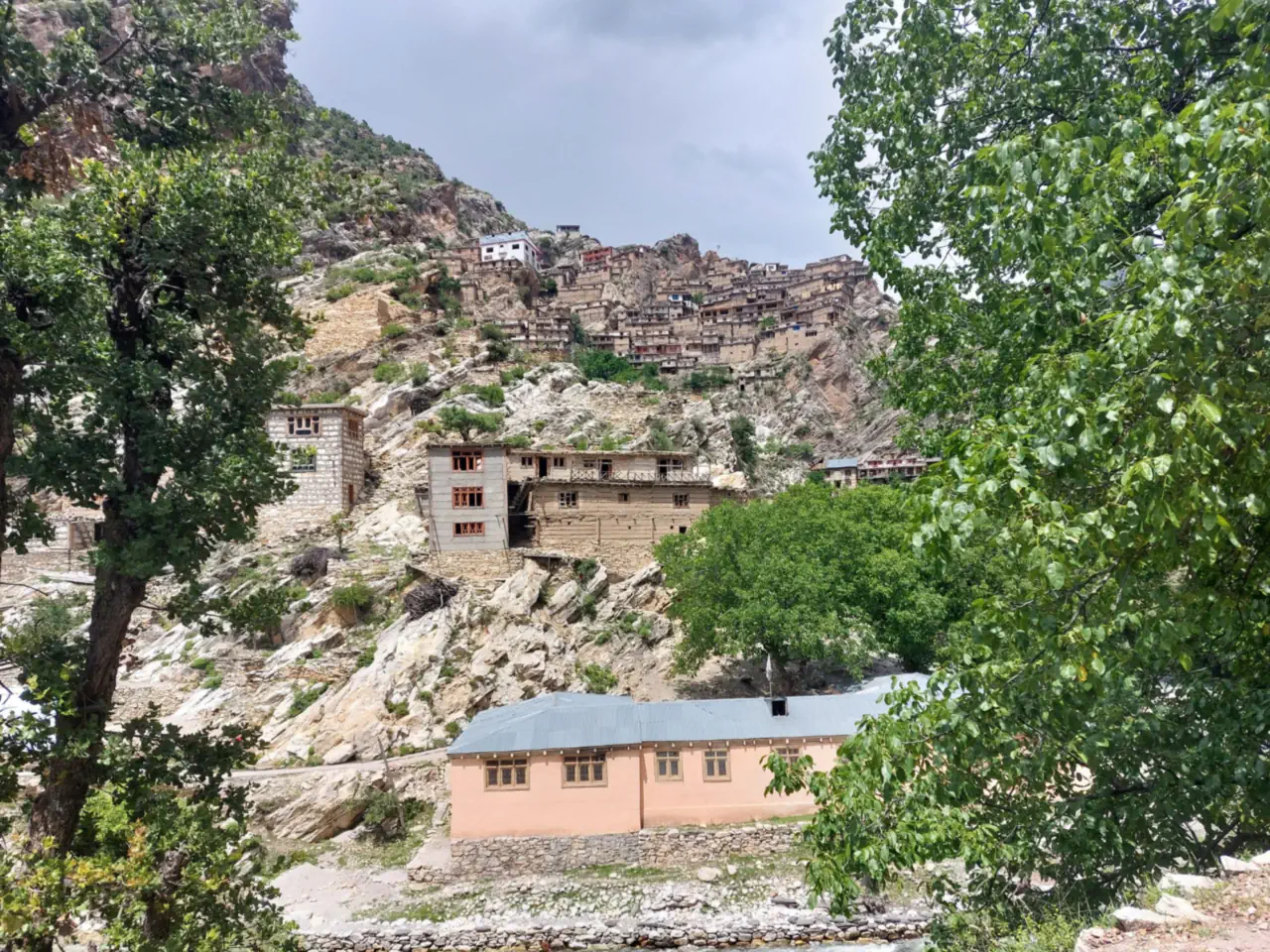
Waygali-ala translation and interpreting
Documents, voice messages, statements and interviews in Waygali-ala, the language the books call Waigali or Kalasha-ala, translated and interpreted by native speakers from Waygal, in the United Kingdom and by video anywhere.
Up to twenty thousand speakers, and nobody to ring
Waygali-ala is the language of the Waygal valley in southern Nuristan. The books call it Kalasha-ala, or Waigali, or Nuristani Kalasha; the people who speak it call it Waygali-ala, which means the Waygali tongue, and there are somewhere between ten and twenty thousand of them, in the villages of Waygal, Nishigram, Ameshdesh and Want and in a small diaspora abroad. No translation app has it. No British court or Home Office agency lists it. No university teaches it. When a solicitor, a tribunal, a hospital, a family or a researcher needs something said or written in Waygali-ala understood, there is nobody to ring.
We are from Waygal. Waygali-ala is our mother tongue, and we also speak Dari, Pashto and English. We get more requests for this one language than for anything else we do, which is why it has its own page: what we translate and interpret, which dialect we speak and how we handle the others, who asks and why, how a job works, what it costs, and the honest position on qualifications. If you have a document, a recording or a person whose words are Waygali-ala, write to us.
- Language
- Waygali-ala, also written Waigali, Kalasha-ala, Nuristani Kalasha
- Spoken in
- The Waygal valley: Waygal, Nishigram, Ameshdesh, Want
- Speakers
- Ten to twenty thousand, plus the diaspora
- Our dialect
- Waygal village, the upper valley; we work with the lower valley too
- We do
- Translation, interpreting, transcription, dialect opinions
- Where
- In person in the UK; telephone and video anywhere
- Registration
- No exam exists for Waygali-ala; registered route via Dari and Pashto
- Codes
- ISO 639-3 wbk; Glottolog waig1243
Six kinds of Waygali-ala work
Documents and letters
Statements, identity and land papers, family letters and official correspondence, from Waygali-ala into English, Dari or Pashto and back. A certified translation, with a signed translator's statement, where a court, the Home Office or an employer needs one.
Recordings and voice messages
WhatsApp voice notes, recorded interviews, phone calls and video, transcribed and translated with time codes. Waygali-ala is spoken far more than it is written, so most of what people send us is sound.
Interpreting for legal work
Solicitors' interviews, witness statements, Home Office interviews, and the First-tier and Upper Tribunals, in person in Britain and by video elsewhere. We say in writing what we are and are not qualified in.
Public services
Hospitals, GP surgeries, social services, schools and police, by telephone or video at short notice, for a patient or client who gives their best answers in Waygali-ala rather than Dari or Pashto.
Dialect and origin opinions
Where a case turns on whether a speaker is from the Waygal valley, and from which part of it, we listen and give a plain written opinion from native knowledge, saying how sure we are. A native speaker's judgement, not a laboratory test.
Research, archives and media
Transcription and translation of field recordings for linguists, checking of published word lists against living speech, subtitles for film shot in the valley, and name and place checks before anything is broadcast.
Upper valley, lower valley, and the other Kalasha
Waygali-ala belongs to the Nuristani branch of the Indo-Iranian languages, a branch of its own beside Iranian and Indo-Aryan, so it is not a dialect of Dari or Pashto and a speaker of those languages cannot follow it. Within the valley the speech changes from village to village. The books divide it into an upper-valley dialect, that of the Väi people around Waygal village, and a lower-valley dialect, that of the Čima-Nišei people around Nishigram; the differences run through sounds, everyday words and the forms of common verbs, enough that a careless translation from one can misreport the other. A few hundred people in the side valley speak Zemiaki, which the books group with Waygali-ala. We grew up with the upper-valley speech and have family and friends in the lower villages, so we hear the difference and say which we are working in.
One confusion matters for anyone commissioning a translation. The name Kalasha-ala is built on Kalasha, the word the Kalash people of Chitral in Pakistan use for themselves, and the two peoples share an old name and an old kinship. But the Kalash of Chitral speak an Indo-Aryan language, Kalasha-mun, which a Waygali speaker cannot understand, and a Kalasha interpreter from Chitral cannot interpret for someone from Waygal. If an agency has offered you a Kalasha speaker for a Nuristani client, ask which Kalasha they mean.
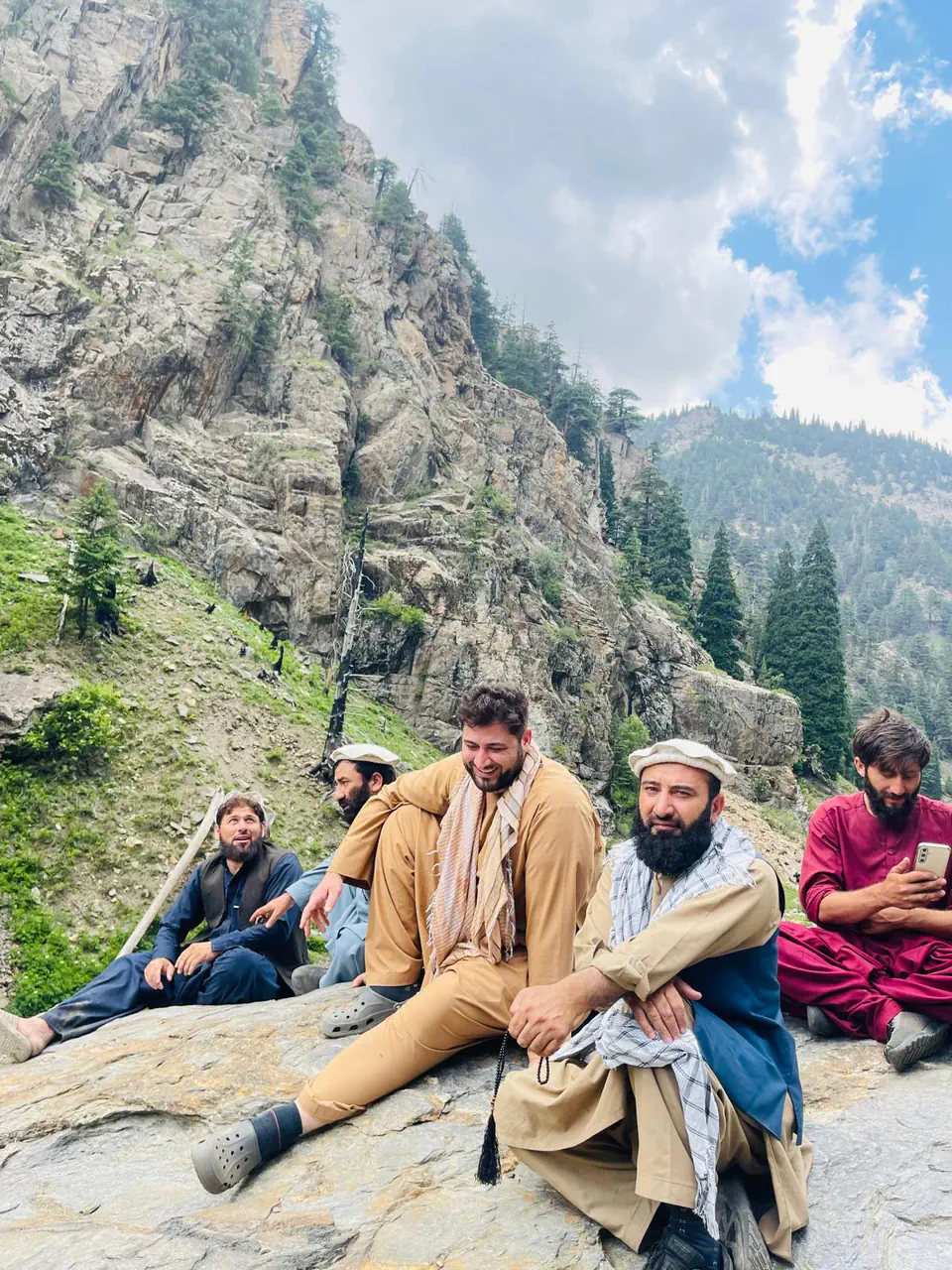
Solicitors, tribunals, families, hospitals, linguists
Most requests come from solicitors and agencies in Britain with an Afghan client whose statement was taken in Dari or Pashto, a second or third language, and whose case now turns on exactly what was said. Afghans were the second largest group claiming asylum in the United Kingdom in 2024, and the grant rate for Afghan claims fell steeply in 2025, so more cases reach appeal, where the precise words matter and a mistranscribed village or tribe name can decide them. The Home Office recruits interpreters in Dari and Pashto but no Nuristani language, and the agencies that hold the court contracts list none, so when a Waygali speaker is needed the request travels until it finds us.
The rest come from families in the diaspora who want a voice message or a letter from the valley understood, from hospitals and councils with a patient or client who struggles in Dari, from researchers working on the Nuristani languages, and from film-makers with footage from Waygal. The linguists have the smallest numbers to draw on: the recordings of the language sit in archives in Cologne and Indiana, the reference lexicon is Richard Strand's, and native speakers who can check a transcription against living speech can be counted on one hand.
Same-day answer, a written quote, and the honest position on qualifications
Send us the document or the recording, or tell us the setting, the date and the place or the platform for interpreting. We confirm the same day which of us will take it, which dialect it is in, and a quote per word, per hour or per day. Translations come back with a short note on anything that does not carry across cleanly, because Waygali-ala has words for the valley's own things, its houses, its fields, its kinship and its festivals, that English has no single word for. Everything you send us is kept confidential, and we will sign your firm's confidentiality agreement.
On qualifications we say the same thing to every client: no examination exists for Waygali-ala or for any Nuristani language anywhere in the world, so no interpreter in it can be registered in it. The National Register of Public Service Interpreters accepts Level 6 qualifications only in the languages where one is offered, and its own guidance acknowledges the problem rare languages face. We hold or are completing those qualifications in Dari and Pashto and offer Waygali-ala as the rare language it is, and for legal work we provide a written statement of our languages, qualifications and experience for the file. For a tribunal that needs a Waygali speaker there is no registered alternative, and we would rather you knew that from us.
Asked about Waygali-ala
Is there a Waigali translator or interpreter in the UK?
Yes. We are native speakers of Waygali-ala from the Waygal valley, based in the United Kingdom with family in the valley, and we translate documents and recordings and interpret in person in Britain and by telephone or video anywhere. The court and Home Office agencies do not list the language, which is why requests reach us through solicitors and agencies.
Is Waigali the same as Kalasha?
Not the Kalasha of Chitral. Waygali-ala is called Kalasha-ala in the books because its speakers share an old name with the Kalash people of Pakistan, but the Kalash speak an Indo-Aryan language, Kalasha-mun, and the two are not mutually intelligible. A Kalasha interpreter from Chitral cannot interpret for someone from Waygal, and the reverse is also true.
How many people speak Waygali-ala?
Somewhere between ten and twenty thousand on the usual estimates, in the villages of the Waygal valley in Nuristan and in a small diaspora in Pakistan, Europe and North America. It is one of the five Nuristani languages, which together have perhaps 150,000 speakers.
Does Google Translate support Waigali?
No. None of the Nuristani languages is in Google Translate or any other machine translation system, and none appears on the language lists of the agencies that hold the British court and Home Office contracts. A human native speaker is the only option.
Which dialect of Waygali-ala do you speak?
The upper-valley speech of Waygal village, the dialect the books call Waigali in the narrow sense. We have family and friends in the lower villages around Nishigram and work with that dialect too, and we tell you which one a document or a recording is in.
Can you translate a WhatsApp voice message?
Yes, and it is the most common request we get. Send the audio, we transcribe it in Waygali-ala, translate it into English, Dari or Pashto, and return both with time codes if you need them. Waygali-ala is spoken far more than it is written, so most of the language that reaches us arrives as sound.
Do you provide certified translations?
Yes. Where a court, the Home Office or an employer needs a certified translation we provide it with a signed statement of the translator's languages, qualifications and experience. We say plainly on that statement that no examination exists for Waygali-ala and which qualifications we hold in Dari and Pashto.
How much does Waygali-ala translation cost?
We quote per word for documents, per audio minute for recordings, and per hour or per day for interpreting, in writing before you commit. Waygali-ala is priced above Dari and Pashto because there is no one else to do it, and in line with the published frameworks for public-service interpreting in Britain.
Can you tell whether someone is from the Waygal valley?
Usually, yes. The speech differs from village to village and a native speaker hears it. We can listen to a recording and give a plain written opinion on the language, the part of the valley and our confidence. It is a native speaker's judgement, not a laboratory analysis, and we describe it as such.
Where the language facts and the frameworks come from
- Wikipedia: Nuristani Kalasha (Waigali) language, speakers and the upper and lower valley dialects
- Richard F. Strand: Nuristân, hidden land of the Hindu-Kush, the Kalasha-ala lexicon and texts
- ISO 639-3 registration authority: wbk, Waigali
- Glottolog 5.3: Nuristani Kalasha (waig1243)
- Encyclopaedia Iranica: Nurestani languages
- Indiana University CeLT: Kalasha-Ala language information (archived materials, not taught)
- University of Cologne: Nuristani Archive Cologne
- NRPSI: Home Office Interpreter and Language Services Unit recruitment notice, July 2025 (languages recruited)
- NRPSI: handling of rare languages, January 2021
- NRPSI: qualifications and courses, including the Level 6 route
- Migration Observatory: Afghan asylum seekers and refugees in the UK, 2025
- Free Movement, 2025: the Home Office is leaving thousands of Afghans in limbo (grant rate figures)
Related: interpreting and translation in all the Nuristani languages, the Waygal district guide, words and numbers, all our services.
Plan your Nuristan journey
Ready to plan a visit, source Nuristani products, or discuss an investment? Your message goes to Obaid, who is from Nuristan, and his team in Afghanistan and the UK. We reply to every message.