What the governments say, what the province is like on the ground, the hazards that have actually hurt people, and exactly what we do about them. From people who live there, without reassurance the facts do not support.
We are from Nuristan and we take people there, so you might expect this page to say yes. It does not. The honest answer has two halves. The British government advises against all travel to Afghanistan, including on organised tours, and the United States gives the country its highest warning. At the same time, more than nine thousand foreign tourists visited Afghanistan in 2025, a Western operator sells an itinerary that includes Parun, and our own team lives in the valleys, travels their roads every month and brings guests to them. Both halves are true, and the decision between them is yours to make with the facts in front of you.
This page gives you those facts: what the governments say and why, what the province is like on the ground as our team sees it, the hazards that have actually hurt people in Nuristan in recent years, which are floods, landslides and roads rather than the things most visitors fear, and exactly what we do to look after the people who travel with us. We will not tell you Nuristan is safe. We will tell you what it is like, and we will say plainly if your trip should wait.
UK advice
Against all travel to Afghanistan, updated 30 July 2026
US advice
Level 4, Do Not Travel, 20 February 2026
Insurance
Most ordinary policies void; specialist cover only
Consular help
No British embassy; support severely limited
Visitors
More than 9,500 foreign tourists to Afghanistan in 2025
What has killed people here
Floods and landslides: Parun 2026, Nakre 2024
Nearest hospitals
Asadabad and Jalalabad, outside the province
Phone signal
Patchy; none in many side valleys
What governments say
Against all travel, and what that means for you
The Foreign, Commonwealth and Development Office advises against all travel to Afghanistan. Its page, updated on 30 July 2026, says you should not travel, that the advice stands even if you are part of an organised tour group, that there is a heightened risk of British nationals being detained and that a detention could mean months or years of imprisonment, that there is a very high threat of kidnap, that terrorists are very likely to try to carry out attacks, and that in May 2024 three Spanish tourists were killed in a shooting while on a guided tour in Bamiyan. There is no British embassy in the country, so consular help is severely limited. The United States Department of State rates Afghanistan Level 4, Do Not Travel, in an advisory issued on 20 February 2026.
That advice has a practical consequence before it has a moral one: most travel insurance is invalid in a country where your government advises against all travel, and the specialist policies that do exist must be read line by line for what they exclude. Anyone travelling against the advice travels at their own risk and, for a British national, with the knowledge that the government has said it may not be able to help. We state this to every operator and traveller who writes to us, and we put it in writing on every quote.
On the ground
A province getting on with the year, two days from a hospital
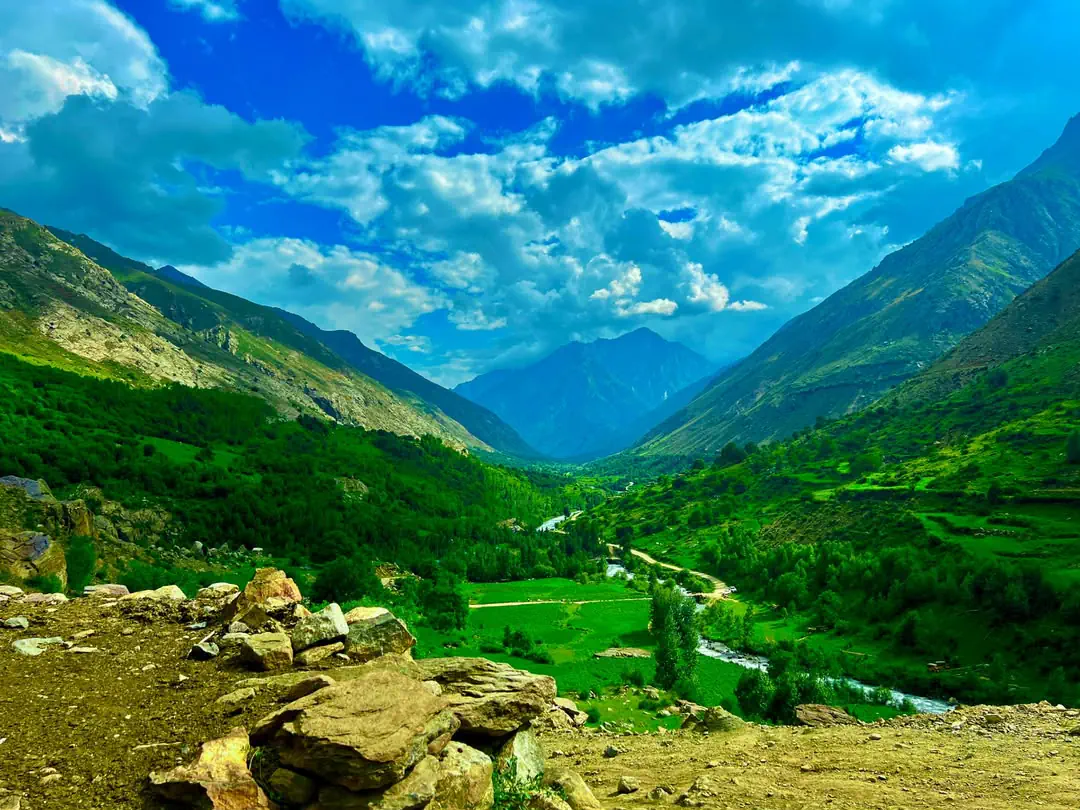
Our team lives in Waygal, Parun and Kabul and travels the roads into the province every month. What they see is a province of farmers, herders, carpenters and traders getting on with the year: fields and orchards, the spring gathering of morels, the autumn walnut harvest, weddings, funerals, the Friday prayers, children walking to school along the river. Visitors are rare and are treated as guests in the old way, which in Nuristan is a serious obligation on the host. The authorities register foreign visitors in Kabul and charge a fee at the province's entry gates, and in our experience they want tourists to come.
None of that cancels the government advice, and we do not pretend it does. The province is remote: two days by road from Kabul, with no airport, no hospital of any size, patchy phone signal and no quick way out if something goes wrong. The hazards that have actually killed people in Nuristan in recent years are floods, landslides and the roads. Those are the risks we plan around, and the ones the rest of this page is about.
The real hazards
What has actually hurt people in Nuristan, and what we do about each
Floods
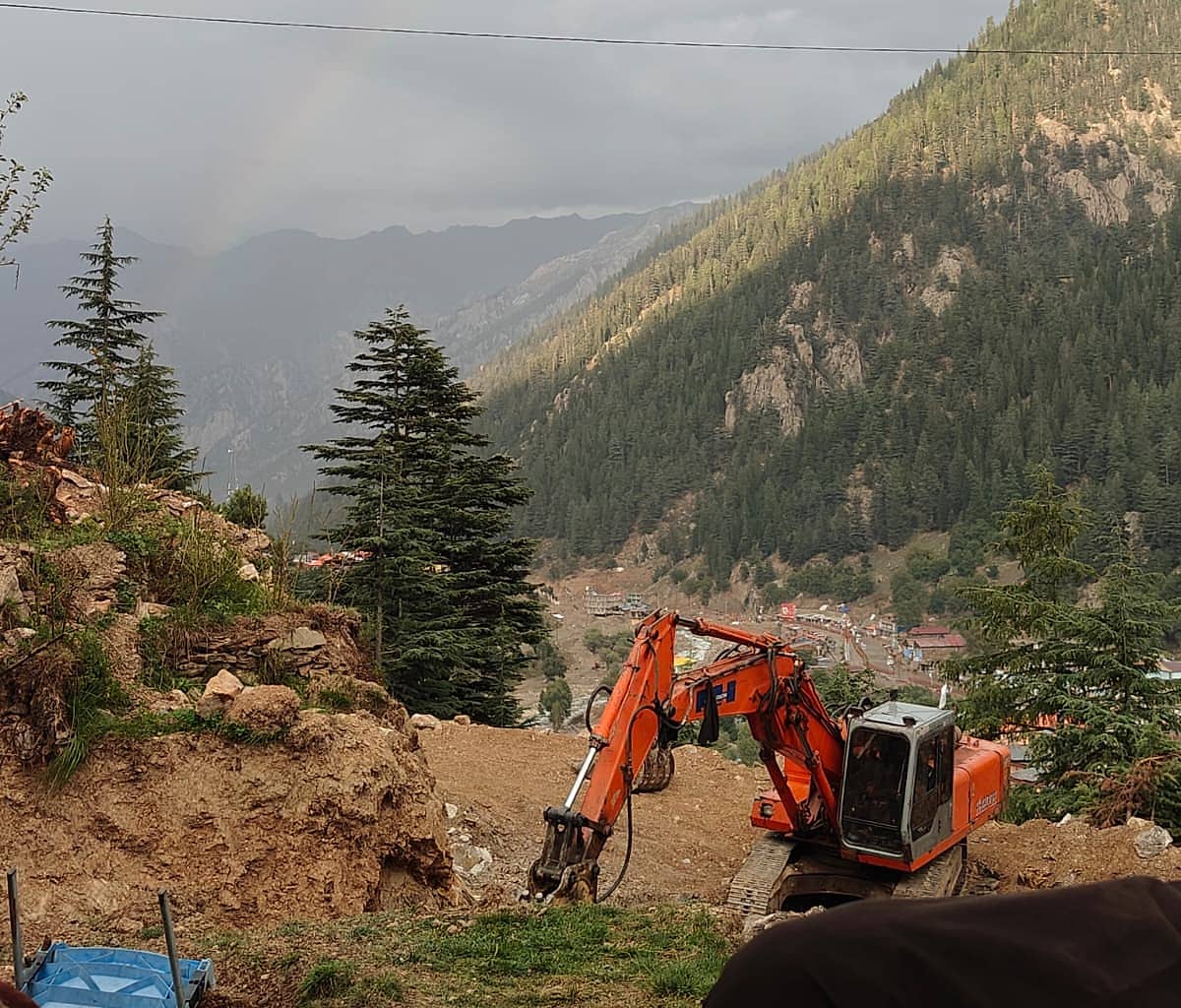
On 20 July 2026 a flash flood came down the Parun river through the provincial capital, killing at least 23 people by the official count the next day, with later tallies higher, destroying the riverside bazaar and cutting the Pech valley road in places. The United Kingdom's own advice notes that heavy rain and snowmelt cause significant floods outside Kabul. We do not travel the river roads in heavy rain, and we build slack into every itinerary for a road that may be cut.
Landslides and avalanches
In February 2024 a landslide of snow and earth buried part of the village of Nakre in the Tatin valley, killing 25 people. In July 2026 a landslide at a gem mine in Bargi Matal killed three workers. Winter and spring bring avalanches on the high roads. Our season is April to October, and even then we take the mountain roads in daylight and after asking the villages ahead what the slope is doing.
Roads
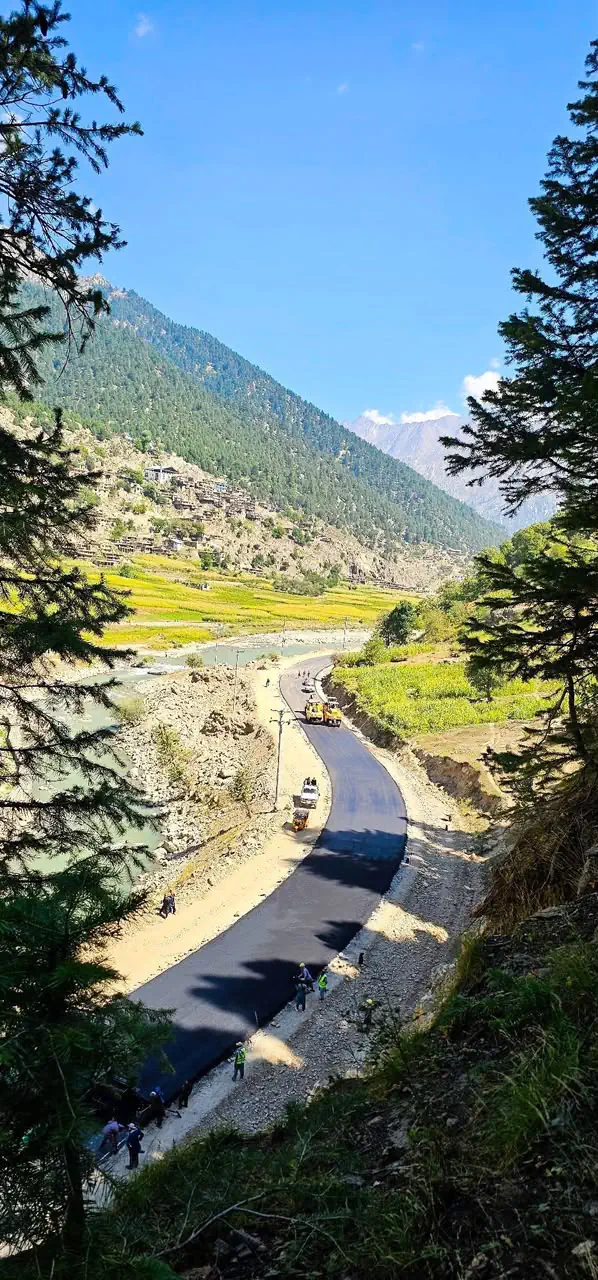
The roads into the province are gravel and rock cut into river gorges, often one vehicle wide, with the river below. They are driven by four-wheel drive with drivers who know every bend, never at night, and never when the river is high. The province charges 200 to 500 afghanis a vehicle at its gates and, as its own visitors say, spends little of it on the roads.
Altitude, weather and the season
Parun sits at about 2,500 metres and the passes are higher; nights are cold even in summer, snow closes the upper valleys from November to April, and the weather turns quickly. We travel between April and October, carry warm kit in every month, and turn back when the sky says so.
Health
There is no hospital of any size in the province; the nearest are in Asadabad and Jalalabad, hours away by road. Bring every medicine you take, treat the water, and tell us any condition before you travel. We carry a first-aid kit, know the clinics in each district and have the vehicle to reach a hospital.
Communication
Phone signal is patchy and absent in many side valleys. We carry a satellite messenger on trips into the high valleys, agree a check-in schedule with a named person in Britain, and leave the route with the families we stay with.
Detention, permits and cameras
The government advice is clear about the risk of detention. Journalists and film-makers need permits from the ministry in Kabul and the provincial director in Parun, which our fixer service arranges; tourists should register in Kabul, carry their papers, and not photograph women, soldiers or government buildings without asking. Our guides tell you what is and is not done, and we follow the rules as they stand that week.
The border
Nuristan's eastern districts, Kamdesh and Bargi Matal, run along the frontier with Pakistan. The British advice notes that tensions between Afghanistan and Pakistan have previously resulted in violence along the border. We keep groups to the central valleys unless there is a particular reason to go east, and only when the people there say it is quiet.
What we do
Eight things we do for everyone who travels with us
We make the go or no-go call ourselves, from the valleys, and we will cancel or change a trip and say why.
Every guest travels with a guide from the province who has family in the villages on the route.
We handle the registration in Kabul, the provincial letters and the gate fees before you arrive.
We plan the route for the month you travel in, drive only in daylight, and never with the river high.
A named contact in Nuristan and a named contact in Britain, a check-in schedule, and a satellite messenger in the high valleys.
A medical plan: your conditions known to us, a first-aid kit in the vehicle, the clinics in each district and the road to Asadabad.
The local rules explained before you arrive: dress, photographs, prayer times, how to be a guest in a Nuristani house.
The government advice and your insurer's wording put in front of you, in writing, before you commit.
Who comes
Not a first trip to the region
Nuristan is not a first trip to the region. The travellers who come with us have usually been to Afghanistan or its neighbours before, carry specialist insurance or have decided to travel without it, and understand what the government advice means. Tour operators bring groups under their own duty of care with us handling the ground. Journalists and researchers come with permits through our fixer service. The diaspora comes home. If you are none of those, we would rather you read this site, ask us your questions and come when you are ready than come unprepared.
The British government advises against all travel to Afghanistan, including on organised tours, and the United States rates it Level 4, Do Not Travel. More than 9,500 foreign tourists nonetheless visited Afghanistan in 2025, and a Western operator sells a trip that includes Parun. Our team lives in the province and brings guests to it, but we do not call it safe. The hazards that have killed people in Nuristan recently are floods, landslides and roads; this page sets them out with what we do about each.
Does the UK advise against travel to Nuristan?
Yes. The Foreign, Commonwealth and Development Office advises against all travel to the whole of Afghanistan, in advice updated on 30 July 2026, and says the advice applies even to organised tour groups. There is no British embassy in Afghanistan and consular help is severely limited.
Can tourists visit Nuristan?
Yes. Foreign visitors enter Afghanistan on a tourist e-visa, register with the Ministry of Information and Culture in Kabul, and pay a fee of 200 to 500 afghanis a vehicle at Nuristan's entry gates. Visitors are rare and are received as guests. Whether you should come, given your government's advice, is a decision for you.
What are the main dangers in Nuristan?
In recent years, floods, landslides and the roads. A flash flood killed at least 23 people in Parun in July 2026 and cut the main road; a landslide killed 25 at Nakre in February 2024. The roads are gravel tracks cut into river gorges, driven by four-wheel drive and never at night. The government advice also warns of detention, kidnap and attacks across Afghanistan, and we repeat that warning to everyone who travels with us.
Can I get travel insurance for Afghanistan?
Most ordinary policies are void where a government advises against all travel. A few specialist insurers write high-risk cover for Afghanistan; their wording must be read closely for exclusions, and some policies for journalists exclude the country altogether. We ask every traveller to confirm their cover, or their decision to travel without it, in writing before we quote.
Is Nuristan safe for women travellers?
Women travel to Afghanistan on organised tours, including a women-only tour that sold out in days in 2025 and returned in 2026, and the government advice applies to everyone alike. In Nuristan women guests are received by the women of the household and follow the local dress and conduct rules, which our guides explain before you arrive. We will answer any specific question honestly before you decide.
Is Nuristan safe for journalists and film crews?
Foreign media need permits from the ministry in Kabul and the provincial director in Parun, and the United Nations has counted more than 250 detentions of journalists in Afghanistan since 2021. Our fixer service arranges the permits, the access and the interpreting, and we will not film anything the authorities have banned. Read the fixer page for how it works.
What happened in the Parun flood of 2026?
On the afternoon of 20 July 2026 a flash flood came down the Parun river through Parun town, the provincial capital, destroying the riverside bazaar, hotels and government buildings. The official count the next day was 23 dead and more than a hundred missing; later tallies were higher. Our article on the flood gives the figures by source and how to help.
Ready to plan a visit, source Nuristani products, or discuss an investment? Your message goes to Obaid, who is from Nuristan, and his team in Afghanistan and the UK. We reply to every message.