Skip to content
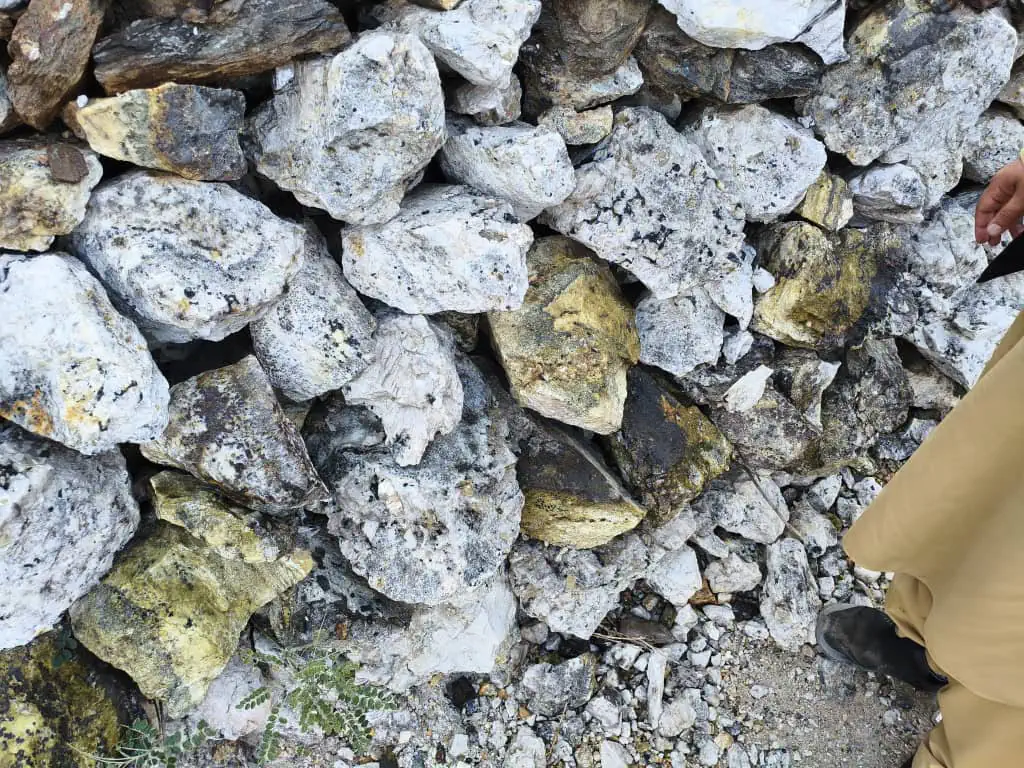
Rough gemstones in the ground: pale pegmatite rock flecked with black and yellow-green crystals heaped on a slope in the Pashagar valley of Nurgaram, Nuristan
For cutters, carvers and dealers

Rough gemstones from Afghanistan

Tourmaline, kunzite, beryl, emerald, lapis lazuli and ruby rough, bought at the first pair of hands in the valleys where it is dug, graded honestly and sold under its own place.

Mine direct

Rough at the first pair of hands

Most rough gemstones that reach a cutter in Europe or America from the Hindu Kush have passed through four or five hands on the way, each taking a margin and losing a fact about where the stone came from. We buy rough at the first pair of hands: from the miners and finders in Nuristan's own valleys, and from the first dealers in Panjshir, Badakhshan, Kunar and Jegdalek. A rough stone from Nuristan is sold as Nuristan; a rough stone from anywhere else is sold under its own place.

This page is for cutters, lapidaries, carvers, dealers and collectors who want Afghan rough. It sets out which rough we can supply and in what forms, how rough is graded, what it sells for with the source and date of every published figure, the arithmetic of weight and cutting yield where most buyers lose money, and how an order works. If you want cut stones instead, our wholesale page covers them.

Rough we supply
Tourmaline, kunzite, aquamarine, morganite, emerald, lapis lazuli, ruby, nephrite
From
Nuristan, Kunar and Laghman; Panjshir; Badakhshan; Jegdalek
Sold by
The gram, the kilogram or the lot; crystals and specimens by the piece
Grades
Facet rough, cabbing and carving rough, specimens, commercial lots
Cutting yield
28 to 35 per cent for good tourmaline rough, by cutters' experience
Treatment
Stated in writing for every lot, as far as the chain of hands allows
Before you pay
Daylight photographs and video with weights; a sample if you want one
Import duty
None in the UK and EU on unworked stones; VAT applies
What rough we supply

Seven kinds of Afghan rough, in the forms the trade buys

Paprok, Kantiwa and Korgal in Nuristan; the Pech valley in Kunar

Tourmaline rough

Facet rough by the gram; mixed lots by the kilogram; crystals and specimens

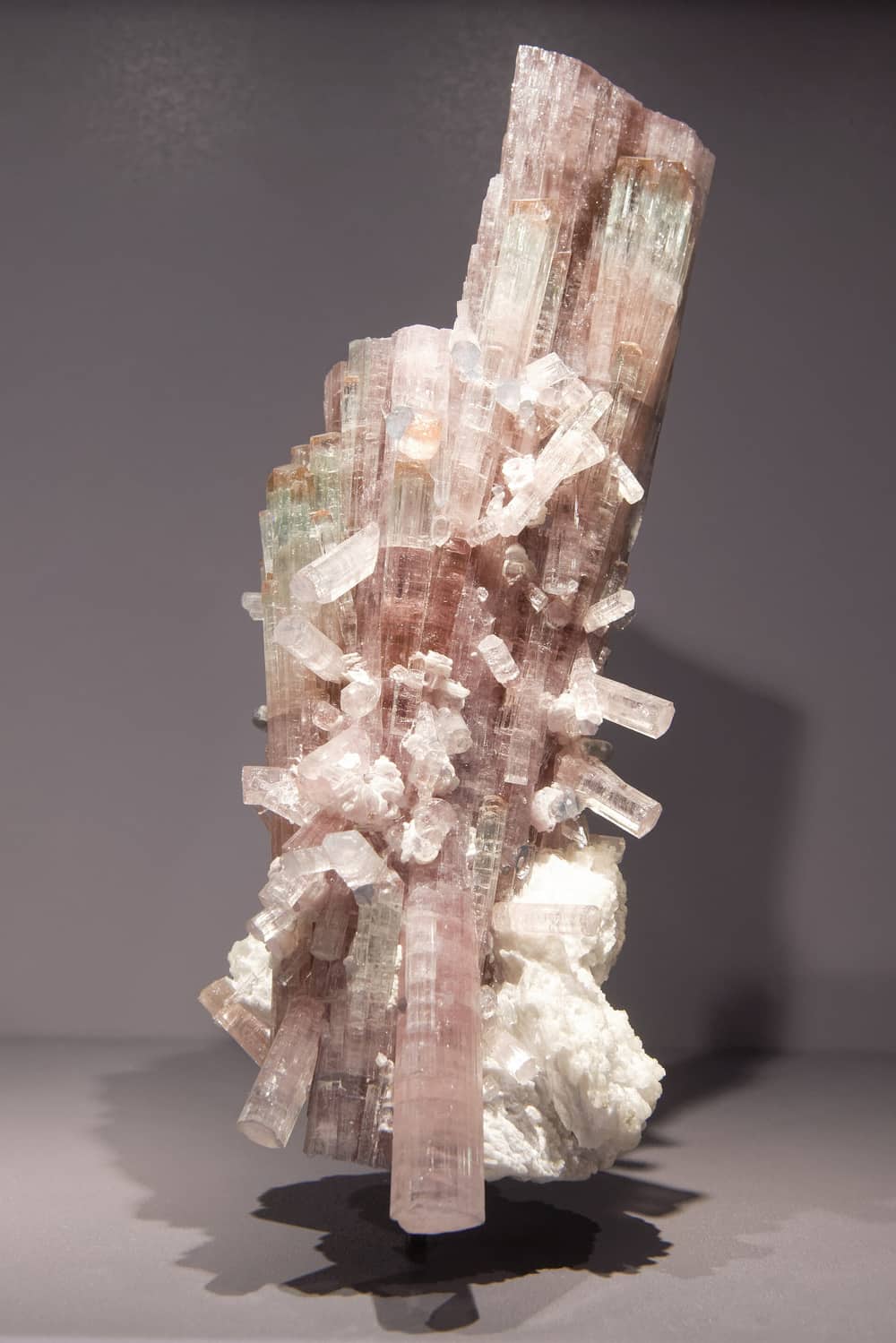
Pink, green, blue and bicolour elbaite, sold in the trade as Afghan, Nuristan or Paprok tourmaline. The crystals are long prisms, often with colour changing along their length, and the cleanest pieces are sold as facet rough.

The stone in detail
Mawi and Kolum in Du Ab; Kantiwa

Kunzite rough

Rough by the kilogram, including large clean crystals

Lilac to pink spodumene from the field that has given more fine kunzite than anywhere on earth, in crystals that reach a metre long. The colour fades in strong light, so rough is best stored dark and sold for evening jewellery.

The stone in detail
Nilaw-Kolum and Mawi; Gur Salak in Kunar

Aquamarine and morganite rough

Rough by the gram and kilogram; morganite crystals as specimens

Blue and pink beryl from the same pegmatite pockets as the kunzite, sold together with it at the Nuristan auctions. Nearly all aquamarine on the market is heated, and we say so.

The stone in detail
The Panjshir valley

Emerald rough

Rough lots from licensed miners and the provincial auctions, by the carat

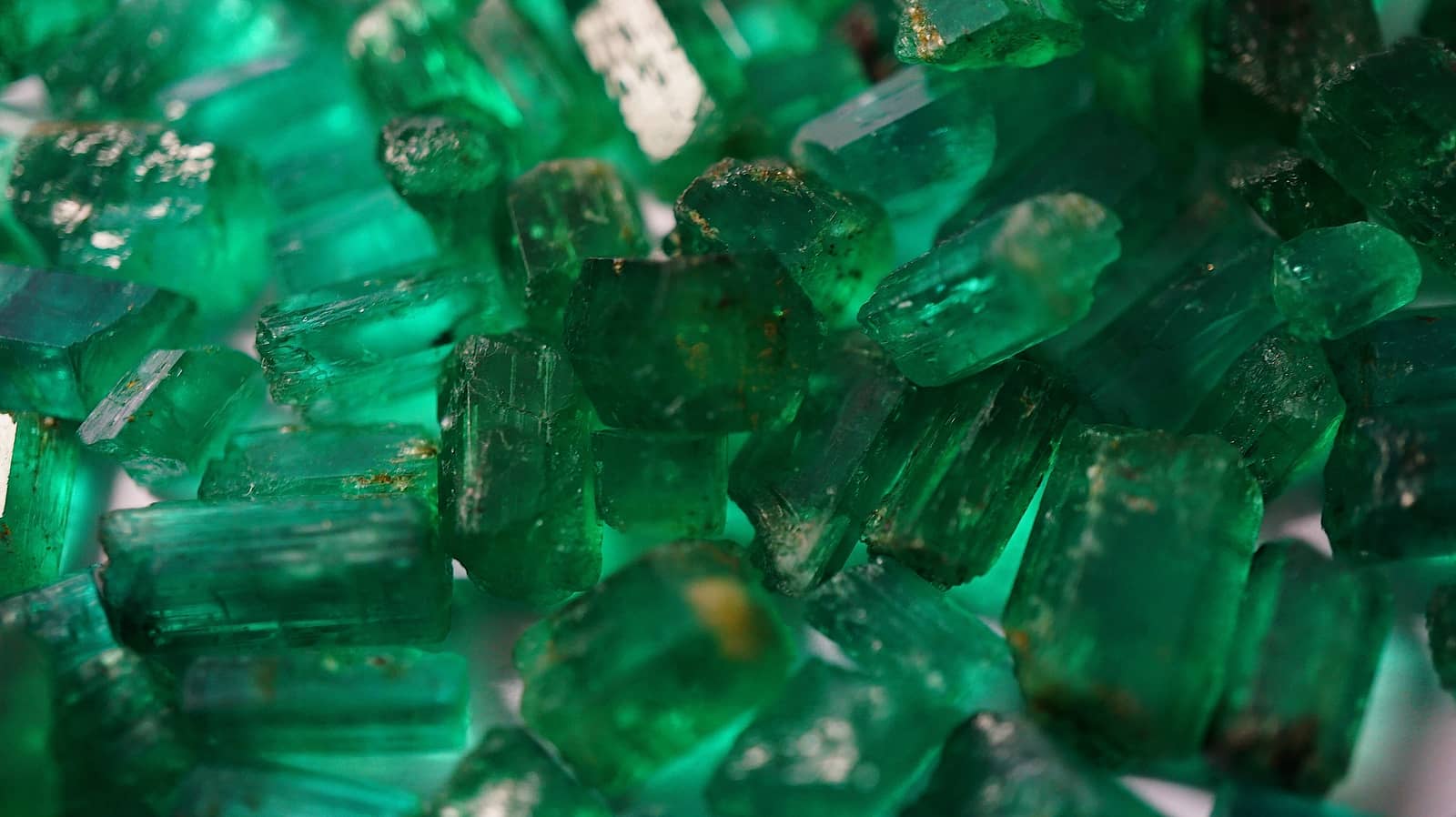
Bluish green Panjshir emerald, the one Afghan stone whose origin a laboratory can confirm. Emerald rough is sold by the carat, not the kilogram, and emerald is commonly oiled; we state it.

The stone in detail
Sar-e Sang, Badakhshan

Lapis lazuli rough

Blocks and pieces by the kilogram, graded; carving and slabbing stone

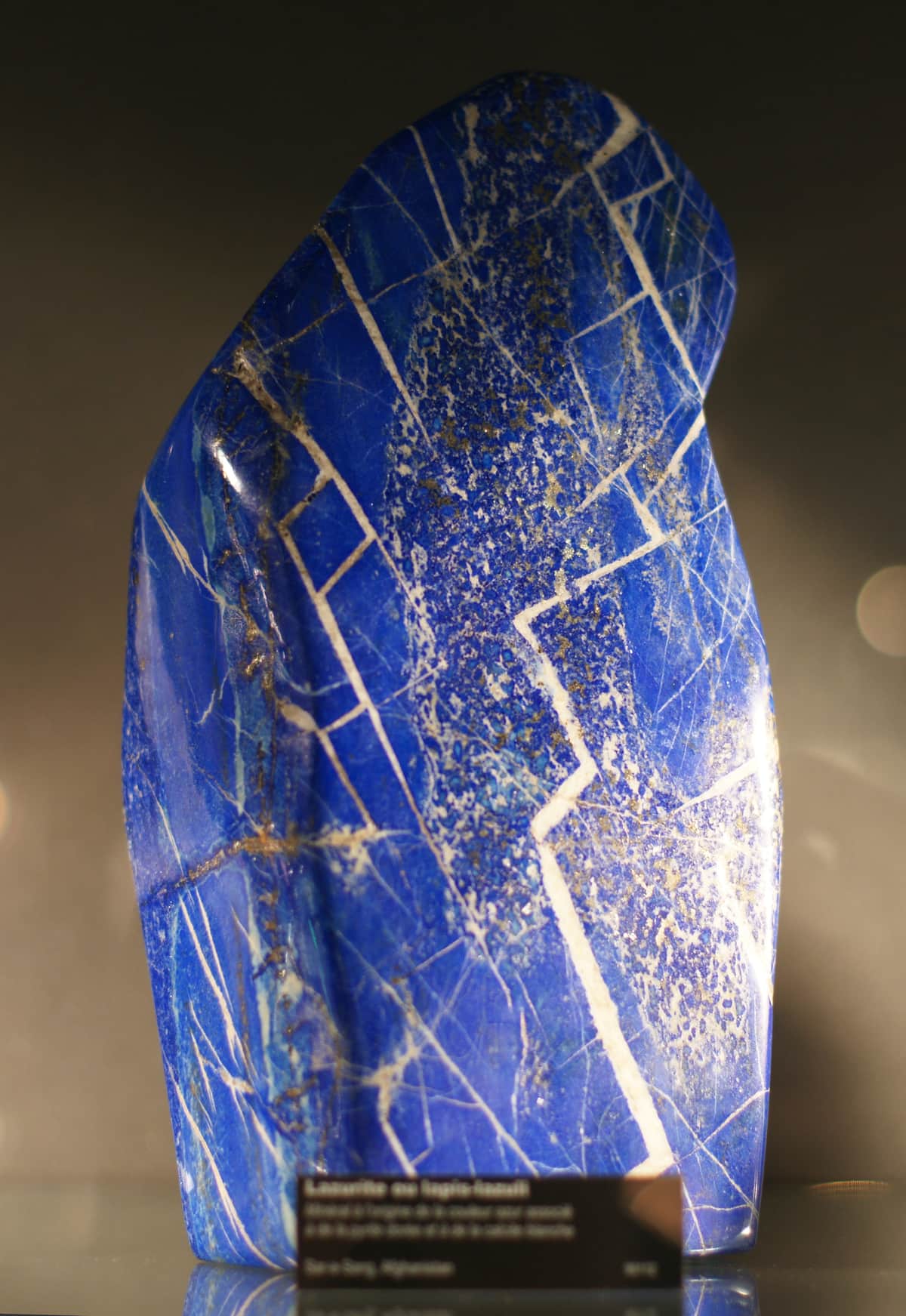
Graded by the trade's own terms, nili, asmani and sabzi, by the evenness of the blue, the pyrite and the white calcite. Low grades are often dyed; we test with acetone and state undyed stone as such.

The stone in detail
Jegdalek, Kabul province

Ruby and pink sapphire rough

Rough, mostly under five carats; crystals in marble as specimens

Marble-hosted corundum, strongly fluorescent, with the blue zoning that marks unheated Jegdalek stone. Most of a Jegdalek parcel is pink sapphire rather than ruby, which a fair price reflects.

The stone in detail
Khas Kunar, Kunar province

Nephrite jade rough

Boulders and blocks by the tonne

Afghan jade is nephrite, a carving and ornamental stone sold by the tonne, far below Burmese jadeite in value. It suits carvers and stone merchants rather than gem cutters.

The stone in detail
Rough tourmaline crystals: a spray of pink and green elbaite on feldspar from the Paprok mine in Nuristan
Tourmaline crystals from Paprok, in Nuristan.
Rough emerald crystals from the Panjshir valley, Afghanistan, as they come from the mine
Emerald rough from the Panjshir valley.
A large rough block of lapis lazuli from Sar-e Sang, Afghanistan
A block of lapis lazuli from Sar-e Sang, Badakhshan.
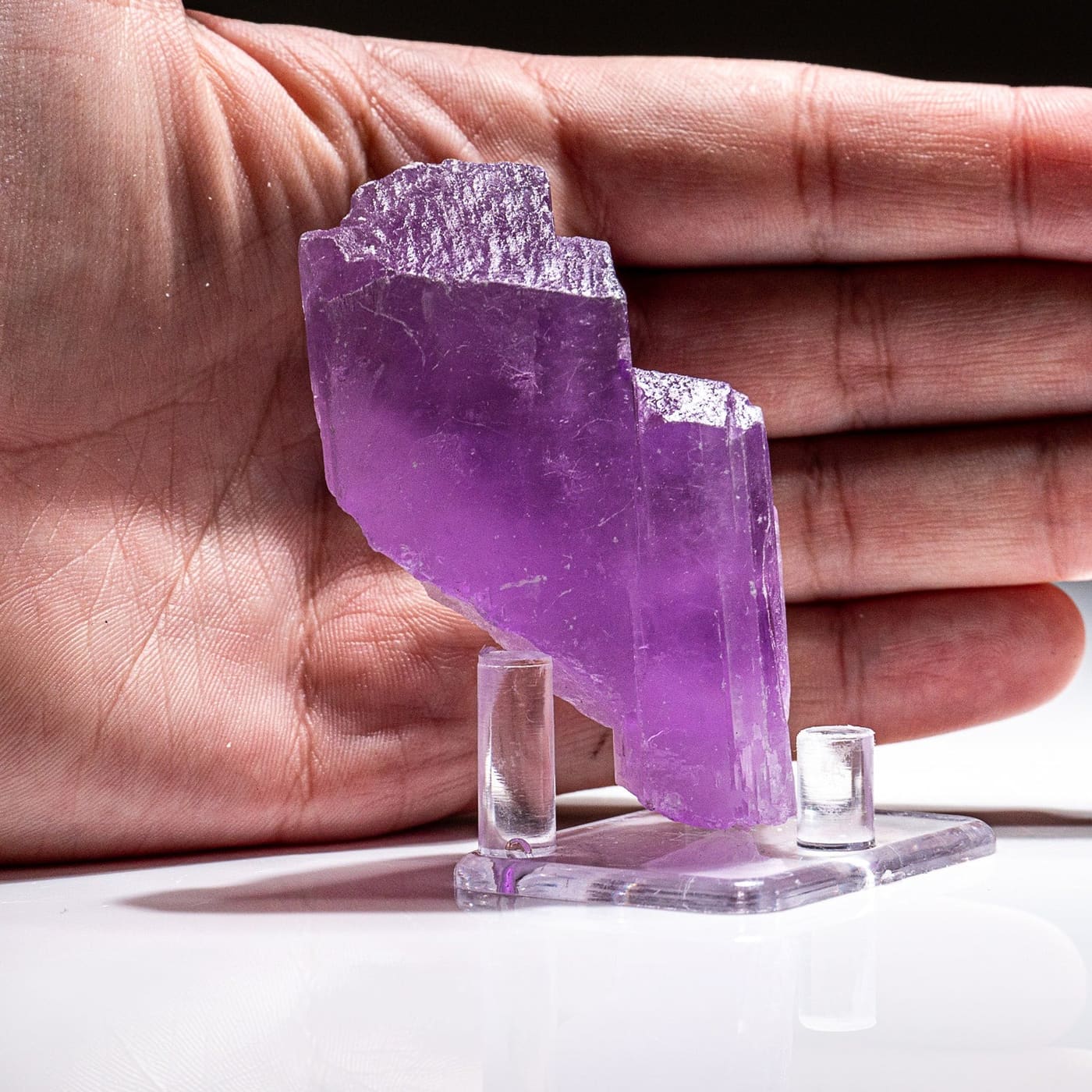
A rough lilac kunzite crystal on a small stand in front of an open hand
How rough is graded

Facet rough, cabbing rough, carving rough and specimens

Rough is graded by what it will become. Facet rough is clean enough to cut into faceted stones, with good colour and few inclusions, and it is priced by the gram or the carat. Cabbing rough has colour but too many inclusions to facet, and goes into cabochons and beads. Carving rough is larger, often opaque material for carvers, and specimens are crystals kept whole for collectors, priced by the piece for their form, colour and matrix rather than their weight. Commercial or mixed lots, sold by the kilogram, hold all of these together with a great deal that will never be cut.

What to look for in facet rough: even colour seen through the stone, not just on its skin; few fractures, which show as flashes in a strong light; inclusions that a cutter can work around; and a shape that will not waste half its weight on the wheel. For specimens, look for natural terminations and a sound attachment to the matrix, because repaired and reassembled crystals are sold in the regional trade.

Prices

What Afghan rough sells for

Every published figure we could find, with its source and date. Quality is often unstated, which is why the spread is so wide.

Prices of Afghan rough gemstones, with sources
RoughPriceSource
Fine Afghan tourmaline rough, 2014250 to 500 US dollars a gram, cutting yield 28 to 35 per centGemologyOnline forum
Pech valley tourmaline rough, 1,500 kg, state auction, July 2026About 119.3 million afghanis, roughly 79,500 a kilogram, quality unstatedZarin TV
Mawi rough, about 9,000 kg of mixed kunzite, beryl, morganite and quartz, state auction, September 202595.1 million afghanis, roughly 10,500 a kilogram, quality unstatedBakhtar News Agency
Panjshir emerald rough, provincial auctions, 2025Roughly 47 to 137 US dollars a carat for whole lotsPajhwok Afghan News
Lapis lazuli rough by grade, 2013Low grade about 5 US dollars a kilogram; medium 400 to 1,000 euros; the purest upwards of 10,000 euros a kilogramSaudi Aramco World
Lapis lazuli rough, Kabul market, 2019About 20 US dollars a kilogram on average, after years of smugglingTimes of Central Asia
Ruby and sapphire rough in Peshawar, 1999Over 100,000 carats near 1 million US dollars, about 10 a caratGIA, Gems and Gemology, 2000
Kunar nephrite rough, 5.5 tonnes, November 202517.3 million afghanis, a few thousand afghanis a kilogramAtlasPress

The spread in those figures is the point. A kilogram of mixed auction rough and a gram of clean facet rough are different goods, and a price per kilogram with the quality unstated tells you almost nothing about what you will cut from it. We quote each lot by what it is, with photographs and weights, against the market as we find it at the source.

Weight and yield

Grams in, carats out

Rough is sold by weight and cut stones by the carat, and the arithmetic between the two is where buyers lose money. Experienced cutters expect 28 to 35 per cent of the weight of good tourmaline rough to come out as finished stones. At that yield, a gram of rough at 300 US dollars, which is five carats, becomes about one and a half carats of cut stone, or roughly 200 dollars a carat before the cutting is paid for. A mixed kilogram yields far less, because much of it is not facet grade at all.

If you buy rough to have cut, weigh and photograph each piece before it goes to the cutter and agree the yield in advance. Buyers describe two recurring disputes: the final carat count falling short of the grams bought, and cutters keeping part of the yield. Our buying guide covers both, with the other frauds that have been documented in the regional trade.

How an order works

Six steps from your brief to your bench

  1. Tell us the stone, the grade, the sizes and the quantity you want, and your import country.

  2. We find the rough at the source and send daylight photographs and video of each lot with its weight on a scale, and a sample by courier if you want one.

  3. A written quote per gram, kilogram, carat or piece, with the origin, the treatment as far as it is known, and our terms.

  4. Payment by bank transfer, or through escrow for a first order.

  5. The export papers from Afghanistan, including the certificate of origin and the export permit, and shipment by air with insurance.

  6. An agreed window to inspect the lot on arrival and to return what does not match the photographs.

Questions

Asked by buyers of rough

Where can I buy rough gemstones from Afghanistan?

From the miners and the first dealers in the valleys, or from someone who buys there for you. Most Afghan rough reaches the world through Peshawar and Dubai after several hands. We buy at the first pair of hands in Nuristan, Panjshir, Badakhshan, Kunar and Jegdalek, and sell each stone under the place it came from.

What is facet-grade rough?

Rough clean enough, and with good enough colour, to be cut into faceted stones. It is the most valuable rough and is sold by the gram or the carat. Rough with too many inclusions to facet is sold as cabbing or carving rough, and crystals kept whole are sold as specimens by the piece.

How much does rough tourmaline yield when cut?

Experienced cutters expect 28 to 35 per cent of the weight of good tourmaline rough to come out as finished stones. Mixed lots yield far less, because much of the material is not facet grade. Agree the yield with your cutter before the rough is cut.

Can I buy Afghan rough by the kilogram?

Yes, for lapis lazuli, kunzite, mixed beryl and commercial tourmaline, which are sold by the kilogram or the lot. Clean facet rough is sold by the gram, emerald rough by the carat, and nephrite by the tonne.

Are rough gemstones treated?

Some are. Emerald rough is often oiled, low-grade lapis is often dyed, and much kunzite has been irradiated or heated before it is sold. Tourmaline is sometimes heated and nearly all aquamarine is. We state what we know of each lot's treatment in writing.

Can I see the rough before I pay?

Yes. We send daylight photographs and video of every lot with its weight on a scale, a sample by courier if you want one, and an agreed window to inspect the lot when it arrives.

Get in touch

Plan your Nuristan journey

Ready to plan a visit, source Nuristani products, or discuss an investment? Your message goes to Obaid, who is from Nuristan, and his team in Afghanistan and the UK. We reply to every message.