On 20 July 2026 a flash flood tore through Parun, the capital of Nuristan, killing at least 23 people and destroying the town's market. What is known, what the valley needs now, and how to help.
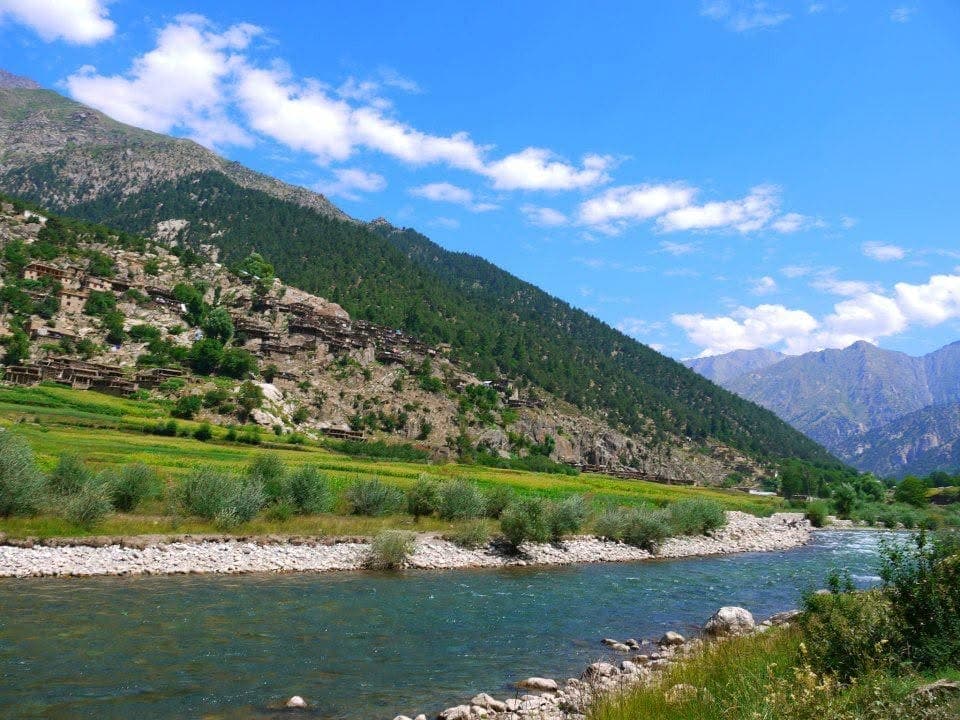
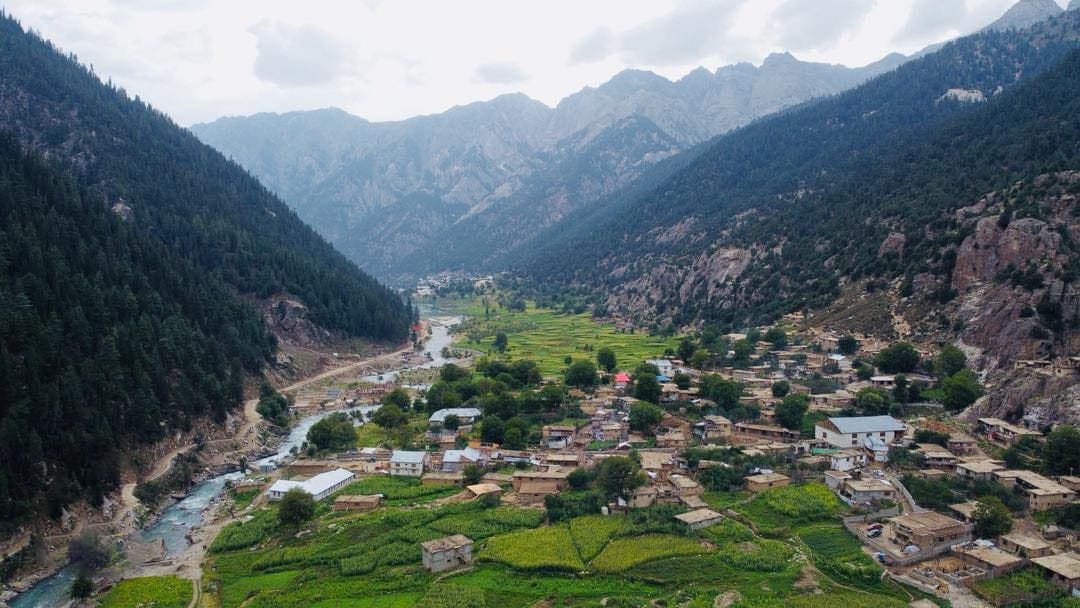
Parun sits at the top of Nuristan. The provincial capital lies in a high valley of the eastern Hindu Kush, around 2,300 metres above sea level, and the newer town, with its bazaar, hotels, municipality and government offices, grew up along the main road beside the Parun river. On the afternoon of Monday 20 July 2026, after a day of rain, that river came down the valley as a wall of water, mud and boulders and went straight through the town.
This page sets out what is known about the flood, drawn from Afghanistan's disaster authority, the United Nations and the reporters who reached the valley. Figures differ between sources and were still being revised when we wrote this, so we give the range rather than a single number, and we will update the page as better information arrives. Nuristan is our home. The people who lost family, houses and livelihoods in Parun are our relatives and neighbours, and we want the outside world to know what happened to them.
What happened on 20 July
Rain had been falling across eastern Afghanistan since the previous day. In Parun it turned heavy after midday. Survivors told reporters that the riverbed below the town was carrying only a little water when the first shouts went up. Then, at about three in the afternoon, the flood arrived: a surge of water, silt and rock that filled the channel, climbed the banks and swept through the market, the hotels and the houses nearest the river. A second surge followed the first. People ran for the mountainside, and many of those who could not reach it in time were carried away.
The governor's office said the water hit the municipality building, several hotels, the telecommunications offices, parks, bridges and homes. Where the shops had stood, boulders were left in the streets. Because the flood struck the commercial centre in the middle of a working day, most of the dead and missing had been in the bazaar.
The toll
The first official count on the evening of 20 July was six dead and sixty missing. By the next morning the Afghanistan National Disaster Management Authority (ANDMA) had raised it to 23 dead, more than 80 injured and over 100 missing, and said the figures were preliminary. The mayor of Parun was among the dead, and other municipal staff were among the missing. On 21 July the United Nations counted 26 deaths across eastern Afghanistan, 23 of them in Parun. Later tallies used by aid agencies gave 31 dead and 77 missing, and a survivor's account published at the end of July put the dead at forty. Bodies were buried under metres of mud and rock, and not everyone reported missing could be traced, so the final figure may never be settled. What the numbers agree on is the shape of the disaster: dozens dead, a hundred or more families searching, and a town's livelihood gone in an afternoon.
- Dead: at least 23, confirmed by ANDMA on 21 July. Later aid-agency tallies gave 31.
- Injured: more than 80 according to ANDMA. A World Health Organization situation report later counted 125.
- Missing: more than 100 in the first days, 77 by the end of July.
- Homes: 22 destroyed and 45 severely damaged on the United Nations count. Another tally gave 67 homes destroyed or damaged.
- Businesses: about 70 shops and 11 hotels destroyed or damaged, and around 40 vehicles lost.
- Infrastructure: four bridges, six sections of road, irrigation canals and flood protection walls damaged, and the water supply serving about 1,000 families cut.
- Farmland: about 10 hectares of fields lost.
- Cost: about 35 million US dollars, on the provincial government's estimate.
- People affected: more than 15,000 across the district, on the estimate used by aid agencies.
The first hours
Parun is a long way from help. The road up the Pech valley was itself damaged by the flood, so the first rescuers were the townspeople, digging with shovels, wooden poles and their hands. A bulldozer was brought in, but reporters described it as almost useless against the boulders and the depth of the mud. Fifteen bodies were recovered on the morning of 21 July alone.
The town's clinic had few supplies that first night and no female doctor, so injured women waited until the next day, when ambulances began moving the wounded to larger hospitals. Staff from the Afghan Red Crescent Society and ANDMA reached the town, a local organisation called Shpoul worked in the ruins from the start, and then the outside help began to arrive.
The response
- UNICEF and its partners set up a field clinic in Parun for trauma care and sent mobile health teams into the surrounding villages. The town's main health centre, which serves about 12,000 people, needed repairs to its water and sanitation.
- Three joint United Nations and NGO assessment teams went through the district recording needs. OCHA named emergency shelter, food, safe drinking water, hygiene supplies, healthcare and psychological support as the urgent priorities.
- India delivered food and tents to ANDMA in Kabul for the Nuristan floods.
- Community World Service Asia, funded through the Canadian Foodgrains Bank and the Humanitarian Coalition, is paying cash grants of 170 US dollars to more than 350 flood-hit households in Nuristan and Nangarhar.
- Penny Appeal and other charities opened Nuristan appeals for tents, blankets, water purification kits, medicine and food.
Nasir Ahmad Faiq, the acting head of Afghanistan's mission to the United Nations, asked UN agencies and their partners to scale up assistance quickly. The humanitarian system was already stretched: the UN estimates that nearly 22 million people in Afghanistan need help this year, and funding has fallen.
One survivor's account
A woman from Parun in her thirties told the Afghan outlet Zan Times what the afternoon was like. She and her husband lived on the main road beside the river. She had a bad feeling as the rain grew heavier and asked him to leave for a relative's house. Before they could go, screaming, car horns and warning shots came from every direction, and she ran. Strangers pulled her from the water. She sheltered in a shop until a second surge sent everyone climbing for the hillside, and she fell again and again on the way up. An elderly man helped her to a boulder he thought was safe, and then that too had to be abandoned. Hours later she borrowed a phone and found that her husband was alive. Their rooms and everything in them were gone. Only afterwards did she discover that her leg had been broken in the scramble. Whenever it rains now, she said, the fear comes back.
Not the first time
Nuristan is among the most disaster-prone provinces in Afghanistan, and anyone from the valleys knows the pattern.
- July 2021: flash floods in Kamdesh district killed 113 people and damaged 173 houses.
- February 2024: a landslide of snow and earth buried the village of Nakre, killing at least 25 people and destroying about 20 homes.
- 20 July 2026: the Parun flood described here.
- 22 July 2026: two days later, floods in the Dehand Rahra area of Mandol district injured about 30 people and destroyed houses, water mills, roads and seven irrigation canals.
- 17 September 2026: heavy rain and flooding in Waygal district damaged orchards and crops during a wider spell of flooding across eastern Afghanistan.
Why Nuristan floods
The valleys are steep and narrow, so rain that falls across a whole catchment funnels into one channel within hours. The summer monsoon reaches the eastern Hindu Kush in July and August and drops short, intense bursts of rain onto slopes where the forest has been thinned by decades of logging, while snowmelt keeps the rivers high into midsummer. The way the province has grown makes it more exposed still. The old villages were built high on the valley sides, above the fields and out of the river's reach. The bazaars, hotels and offices of the last thirty years were built on the flat ground by the water, because that is where the road runs. Parun's market stood on the riverbank, and the flood took the market.
Warning came from people rather than instruments. Survivors describe shouting, car horns and shots fired into the air. It saved lives, but it came minutes before the water rather than hours.
What Parun needs now
By late September the emergency phase is over and the harder part has begun. Winter comes early at this altitude, and families whose houses were destroyed need permanent shelter before it arrives, not tents. The water network for around a thousand families has to be rebuilt. Four bridges and six stretches of road tie the town to its villages and to the outside world, and every one that stays broken keeps traders, patients and schoolchildren from moving. Shopkeepers who lost their stock need capital to open again, which is why cash grants matter more than parcels of goods. And the town needs flood protection walls and, above all, a warning system that gives people an hour rather than a minute.
How to help
If you want to help, give money rather than goods, and give it through organisations that already have staff in Nuristan. Money moves faster than parcels up a broken road, and cash lets families buy what they actually need in the local market, which puts income back into the town.
Organisations working on the Nuristan floods
- IFRC and the Afghan Red Crescent SocietyThe Red Crescent was among the first on the ground; the IFRC has an emergency page for the Nuristan flood.
- UNICEF AfghanistanRunning the field clinic and mobile health teams in Parun.
- Humanitarian Coalition (Canada)Cash assistance to flood-hit households through Community World Service Asia.
- Penny Appeal USANuristan flood emergency appeal for shelter, water, medical care and food.
- UN OCHA AfghanistanSituation updates and the coordinated humanitarian response.
If you are from Nuristan and living abroad, the most useful thing beyond giving is to keep the story alive. Ask your local media, your mosque, your council and your employer to take notice. Share verified figures rather than rumours. And if you have family in the Parun valley, ask them what is missing. They will tell you exactly.
We will keep this page updated. If you have reliable information from the valley, or you are organising help and want it listed here, write to us.
Sources
- UN News, 21 July 2026: Deadly Afghanistan floods kill at least 26 as aid agencies race to reach survivors
- KabulNow, 20 July 2026: Floods kill six, leave 60 missing in Nuristan (first official count)
- Pajhwok Afghan News, 21 July 2026: 20 killed, over 100 missing in Nuristan flash floods (ANDMA statement)
- Amu TV, 21 July 2026: Death toll rises to 23 as 15 bodies recovered; mayor of Parun among the dead
- TRT World, July 2026: Over 100 missing after deadly floods sweep Nuristan
- AtlasPress, 21 July 2026: shops, hotels and vehicles lost in Parun
- KabulNow, 22 July 2026: India aids Nuristan flood victims as UN urges more support (OCHA figures)
- Copernicus Global Flood Awareness System, July 2026: Floods in Nuristan Province (citing WHO situation report)
- Humanitarian Coalition: Afghanistan, Nuristan floods (later toll and cash response)
- Zan Times, 28 July 2026: 'The flood took everything', a survivor's account
- KabulNow, 23 July 2026: Fresh floods hit Mandol district
- KabulNow, 17 September 2026: Flash floods in Kunar and Nuristan (Waygal)
- Wikipedia: 2021 Nuristan floods
- Wikipedia: 2024 Nuristan landslide