On 13 July 2008 a five-day-old American outpost at Wanat, the village Nuristanis call Want, was attacked at dawn. Nine American soldiers were killed. Where the village is, why the base was built there, what happened that morning, and what became of the valley afterwards.
Most people who search for Wanat know it from a single morning. On 13 July 2008 a small American and Afghan outpost at the edge of the village was attacked before dawn, and nine American soldiers were killed in a few hours of fighting. It was the heaviest loss the United States had taken in a single ground fight in Afghanistan up to that day, and it has been investigated, argued over and written about ever since.
We come from this valley. The village is Want to the people who live there, and Wanat is how the armies wrote it down. This page sets out what happened as carefully as we can, using the US Army's own study and inquiry and the press reports of the time, and it tries to do something those accounts mostly leave out, which is to describe the place. Where the sources disagree, we give both figures and say whose they are.
The short version
- When: Sunday 13 July 2008, from about 4.20 in the morning.
- Where: Wanat (Want), lower Waygal valley, Nuristan, about eight kilometres north of Nangalam.
- Who: 49 Americans of Chosen Company, 2nd Battalion, 503rd Infantry, 173rd Airborne Brigade, including three Marine advisers, with 24 Afghan soldiers; against a force put at between 120 and 300 fighters.
- Losses: nine Americans killed and 27 wounded; four to six Afghan soldiers wounded; an estimated 21 to 52 attackers killed.
- Afterwards: the outpost was abandoned on 15 July 2008. One Medal of Honor, to Ryan Pitts, in 2014.
Where Wanat is
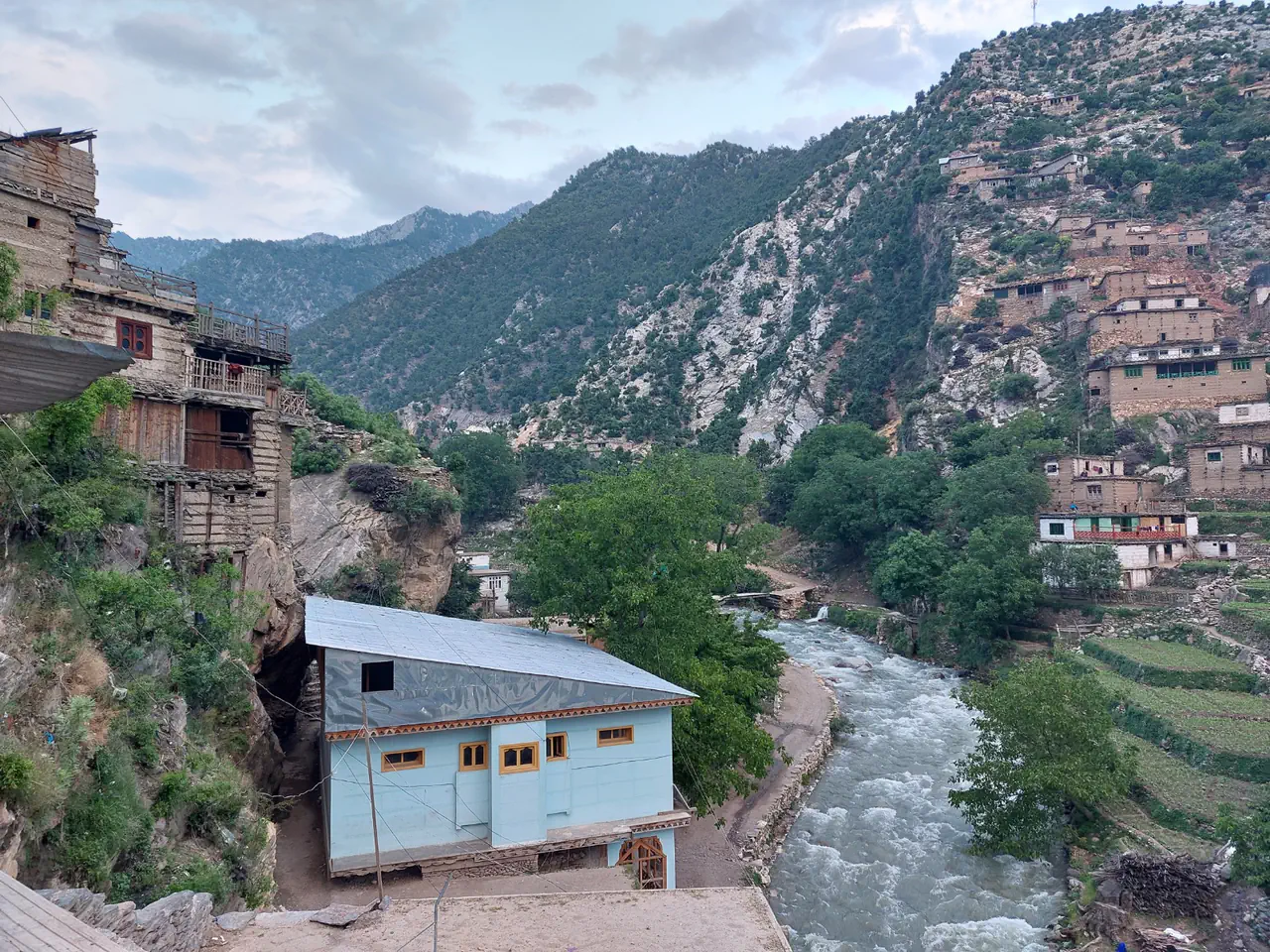
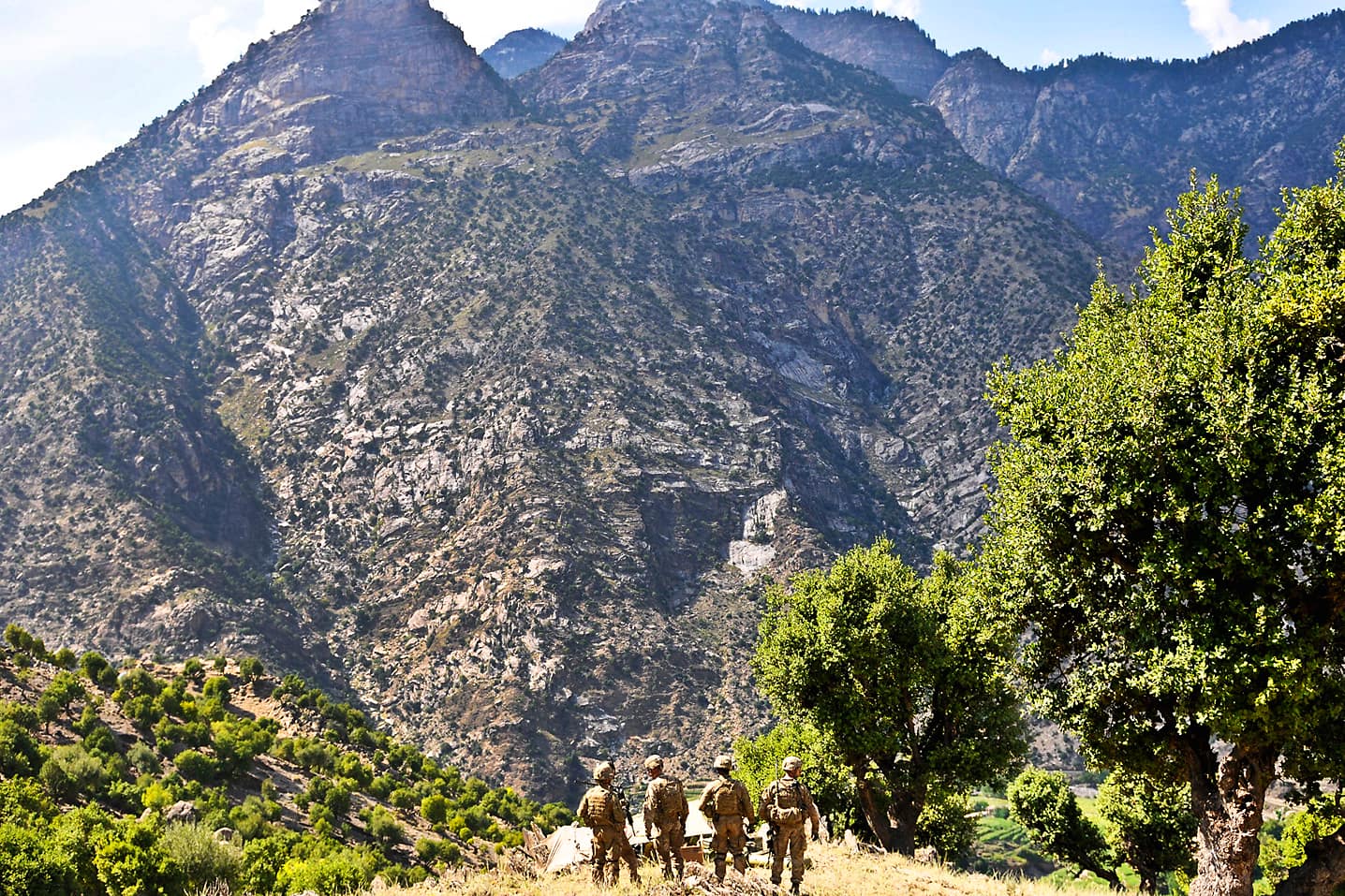
The Waygal river runs south out of central Nuristan and joins the Pech at Nangalam, in Kunar. Want is the second village up the valley from that junction, after Shenigal, where a side stream the American maps call Wayskawdi Creek comes in from the east. The village stands at about 1,150 metres, and the ridges around it climb to some 3,000. In 2008 it had about fifty families, perhaps two hundred people, with a mosque, a small hotel and restaurant, a large bazaar, the district governor's office and the police headquarters. A new district centre building, paid for by the Americans, had been finished that June.
The people of the valley are Nuristanis, and their language is Waygali-ala, which the books call Kalasha-ala. A short way down the valley, below Shenigal, the Nuristani country ends and the country of the Safi Pashtuns begins, and the provincial border between Nuristan and Kunar has been drawn in more than one place along that stretch. That is why some maps, and the American medal citations, put Wanat in Kunar. It was the centre of Nuristan's Waygal district then, and since 2025 it has been the centre of a district of its own.
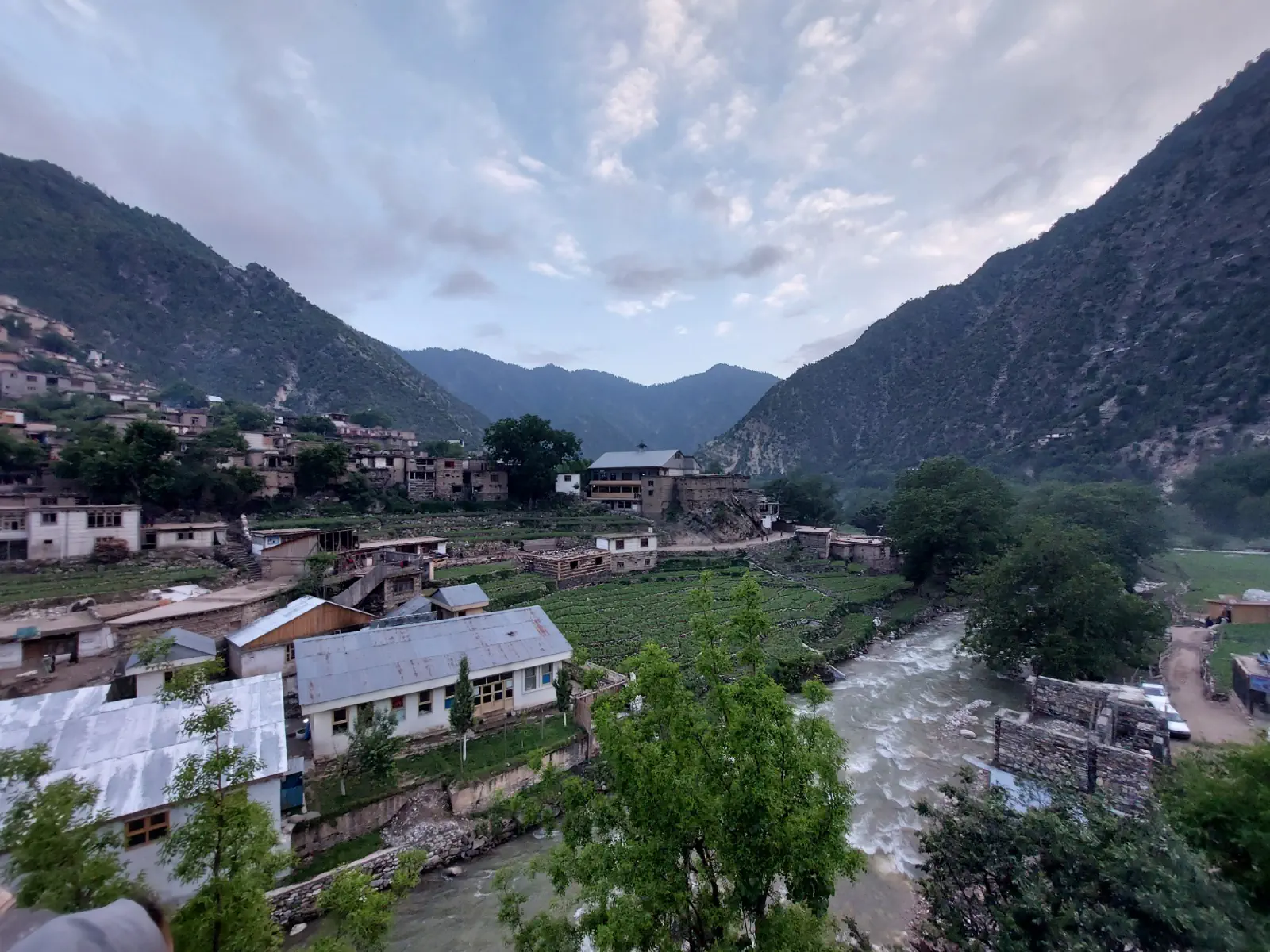
How the Americans came to the valley
American soldiers first settled in the Waygal in 2006, when a battalion of the 10th Mountain Division built two small posts far up the valley: one the soldiers called the Ranch House, near Aranas, and one at Bella, where the International Medical Corps ran the valley's main clinic. That autumn American engineers and fifty local labourers built two bridges at Want, and by the Army's account relations with the village were good.
The upper valley was a different matter. On 22 August 2007 sixty or more fighters attacked the Ranch House, wounding eleven paratroopers and killing an Afghan soldier and an Afghan guard, and the post was given up six weeks later. On 9 November 2007 a patrol walking back from a meeting with the elders of Aranas was ambushed on the mountain path. Six Americans and two Afghan soldiers were killed. Kyle White, who survived it, was later given the Medal of Honor. In January 2008 the platoon sergeant at Bella, Matthew Kahler, was shot dead by an Afghan guard. The Army ruled it an accident; his men did not believe that. The base at Want would carry his name.
The fourth of July
By the summer of 2008 the Americans had decided to close Bella, which could only be supplied by helicopter, and to build a new base at Want, which could be reached by road. Nine days before the battle something happened that the valley has not forgotten. On 4 July American helicopters destroyed two pickup trucks leaving Bella.
The American account was that the trucks carried fighters who had just fired mortars at the base. The Army's inquiry found insufficient evidence that civilians were among the dead, although the general commanding the division accepted that civilians had been killed. The Afghan account was different. The governor of Nuristan, Tamim Nuristani, said that 22 civilians had died, a woman and a child among them. The district chief said the people in the trucks were leaving because the Americans had told them to. The International Medical Corps reported that three of its own staff were killed, clinic workers named Najeebullah, Naeem and Niamatullah, and put the toll at 16 or more. The governor was removed from his post after he spoke about it on television. On 8 July the elders of Want handed the American lieutenant a list of the dead.
Why a base at Wanat
The Americans had been negotiating for the land since the spring. A land-use paper was signed on 20 April, and there were tense meetings with the elders on 26 May and 8 June. According to the Army's study, the elders asked the Americans to occupy the ground first and pay for it afterwards, so that they could tell the fighters in the hills that it had been taken from them. One resident told the Army's historians that the villagers did not want their village to be a battlefield.
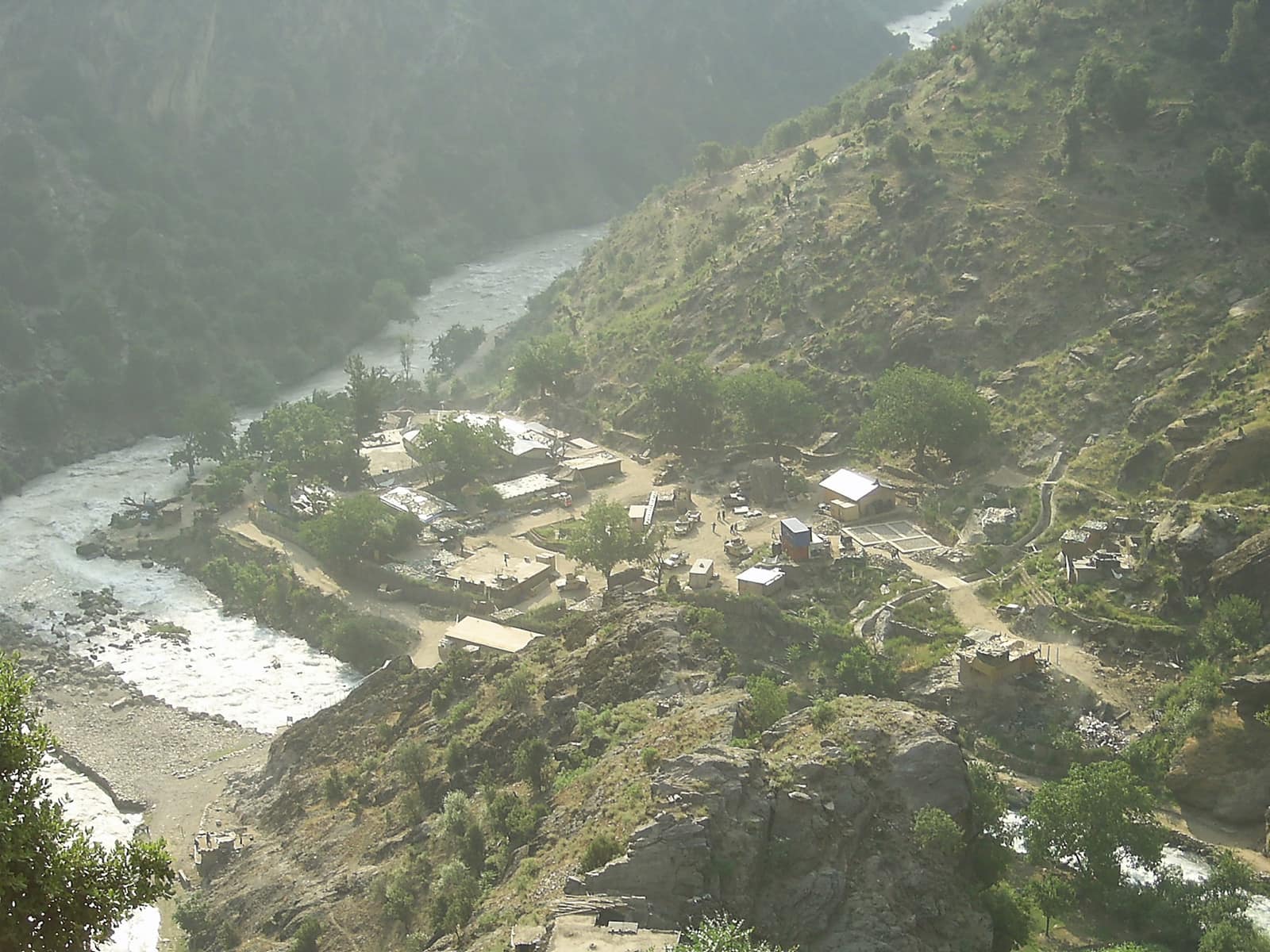
The move was called Operation Rock Move. The platoon drove up from Camp Blessing at Nangalam on the evening of 8 July and reached Want before midnight; the Afghan soldiers, the Marine advisers, the engineers and the mortars came in by helicopter the next day. They set up in an open field beside the bazaar, below the houses, and called it Vehicle Patrol Base Kahler. About a hundred metres to the east, among rocks and terraces on a spur, they placed an observation post they called Topside. For the next four days the soldiers dug in and filled sandbags in the July heat, with one small loader between them and at times short of drinking water, and waited for the civilian builders and their machines, who were due within the week.
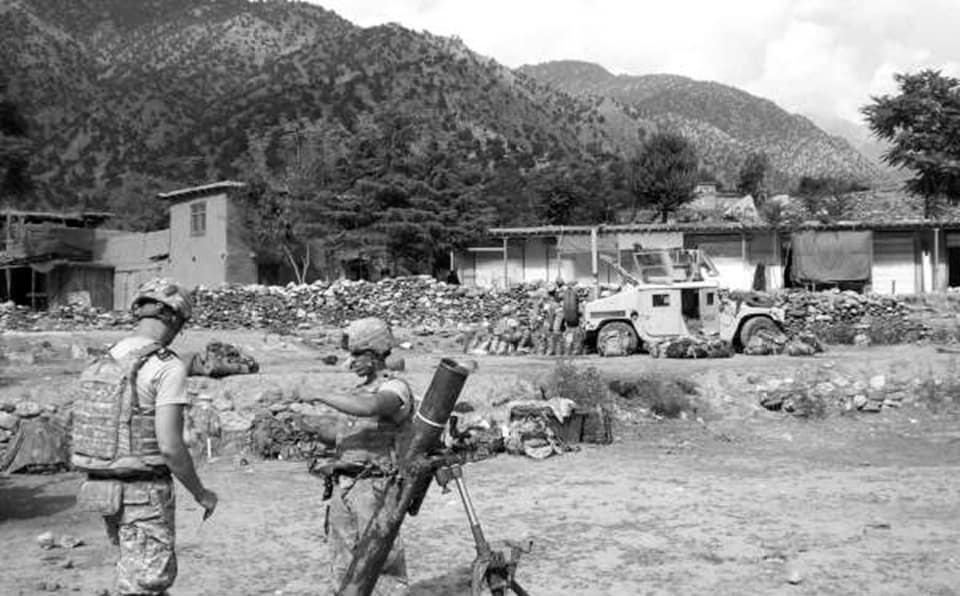
13 July 2008
The soldiers stood to at four in the morning, as they did every day. At about 4.20 two bursts of machine-gun fire sounded, and then rocket-propelled grenades and machine guns opened from every side at once: from the hillsides, and from the mosque, the hotel and the bazaar, which the fighters had occupied in the night. The first volley destroyed the missile truck, which later blew up, and drove the crew from the mortar pit. Part of the bazaar caught fire.
The worst of it fell on Topside. All nine men there were hit in the opening minutes. At about 4.45 the platoon leader, Lieutenant Jonathan Brostrom, and Corporal Jason Hovater ran up from the main position to reinforce it, and both were killed there. For a time Sergeant Ryan Pitts, wounded in both legs and an arm, was the only man left alive at the post, throwing grenades over the sandbags and calling for help on the radio until others reached him.
Artillery from Camp Blessing began firing within three minutes. A bomber dropped two bombs to the north at 4.58, and the first attack helicopters arrived at 5.23 and fired within ten metres of Topside. A relief platoon left Blessing at 5.15 and drove into Want at about six. The fighting at Topside was over by half past six, and the attackers began to pull back within four hours of the first shot. The Army's study counts more than three and a half hours of intense fighting.
The local police took no real part. Afterwards more than a hundred recently fired weapons were found in the district centre, the police chief was arrested and his force was disbanded. When the Americans searched the village the next day, more than a hundred buildings stood empty.
The dead and the wounded
Nine American soldiers died. Eight of them fell at Topside or on the way to it.
- First Lieutenant Jonathan P. Brostrom, 24, of Aiea, Hawaii
- Sergeant Israel Garcia, 24, of Long Beach, California
- Corporal Jonathan R. Ayers, 24, of Snellville, Georgia
- Corporal Jason M. Bogar, 25, of Seattle, Washington
- Corporal Jason D. Hovater, 24, of Clinton, Tennessee
- Corporal Matthew B. Phillips, 27, of Jasper, Georgia
- Corporal Pruitt A. Rainey, 22, of Haw River, North Carolina
- Corporal Gunnar W. Zwilling, 20, of Florissant, Missouri
- Specialist Sergio S. Abad, 21, of Morganfield, Kentucky
Twenty-seven Americans were wounded, sixteen of them badly enough to be flown out. The reports give four, five or six Afghan soldiers wounded. Of the attackers, the Americans estimated that between 21 and 52 were killed and about 45 wounded; one body was recovered, and Nuristan's deputy governor spoke of six. Nobody knows the true figure.
No report we have found records a civilian killed inside Want that morning. The days around it are disputed. Provincial officials told the Afghan press that almost thirty civilians had died in the bombing of villages nearby on 13 and 14 July. The NATO command called the claim baseless and said its nearest air strikes had been 43 kilometres away. We record both statements, because both were made.
After the battle
The Americans left Want on 15 July 2008, two days after the fight, and the valley above Nangalam was without foreign soldiers for the first time in two years. The district governor was replaced and for a time arrested.
In the United States the argument was only beginning. The Army's first inquiry was approved that August. The families of the dead, led by Lieutenant Brostrom's father, a retired colonel, pressed for a second one, and in 2009 a Marine general, Richard Natonski, was appointed to carry it out. He found that the company and battalion commanders had been derelict in their duty, and the brigade commander was later added. Three officers were reprimanded in March 2010. In June the general reviewing the case annulled all three reprimands and wrote that the officers had been neither negligent nor derelict. The Army's own history of the battle went through the same turn: an early draft blamed the senior commanders, and the published study of 2010 largely cleared them. The families did not accept it.
Ryan Pitts received the Medal of Honor on 21 July 2014. Eleven Silver Stars were awarded for the battle, three of them to men who died in it.
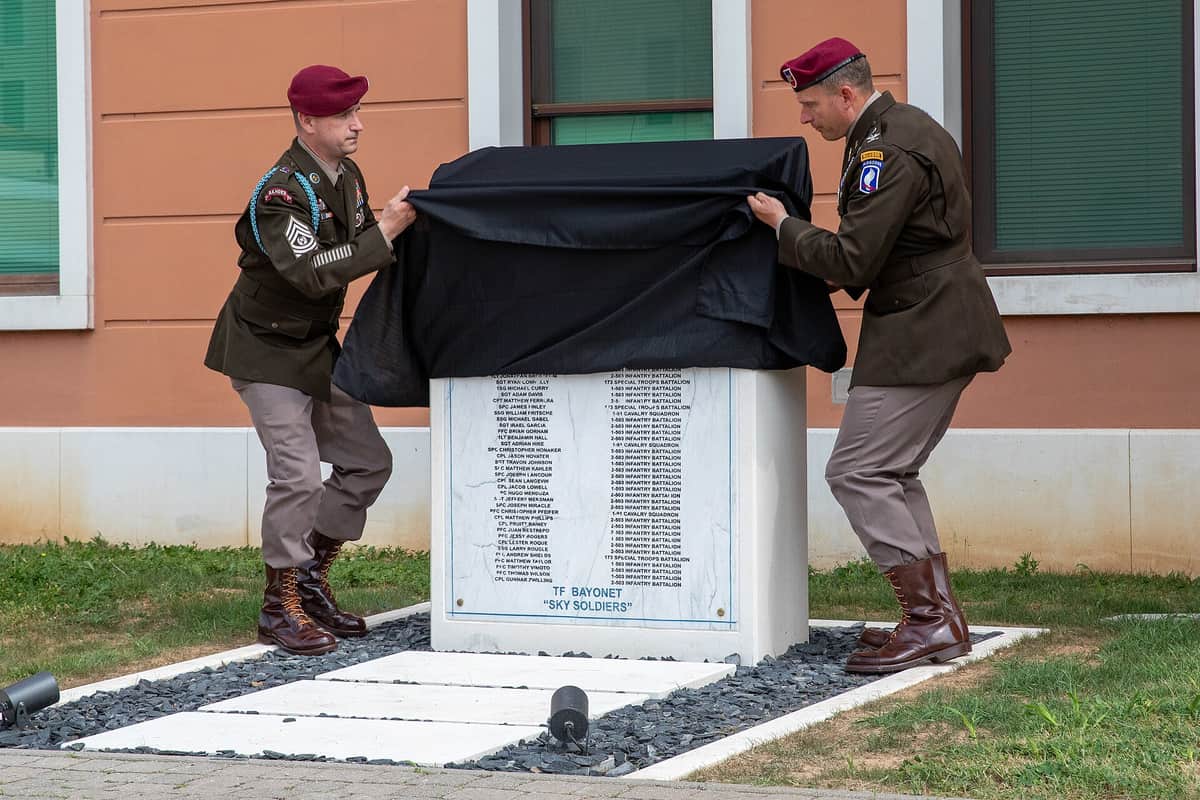
Why it is still studied
Wanat is taught in army schools for several reasons. A platoon-sized base in a deep valley could be outnumbered on the spot, however strong the army behind it. It was built in haste, with too little water, too few machines and too little watching from the air. And it stood beside a village that had asked not to be made a battlefield, nine days after the fourth of July. The Army's study insists that the base was neither ambushed nor overrun, and that is accurate. The argument is about whether it should have been there.
Fifteen months later, on 3 October 2009, another small American outpost in a Nuristan valley was attacked in much the same way, at Kamdesh. The official findings on the two battles read alike, and after the second the Americans gave up their small posts in Nuristan.
Want since 2008
For the village the battle was one morning in a long history, and not the last hard one. Control of the district centre changed hands more than once in the years that followed, in 2011 and again in 2015, and foreign soldiers returned only for a two-day operation in September 2011. A reporter who reached the valley in 2019 found Want still the seat of the district, held by local police.
In 2025 the Waygal valley was divided in two, and Want became the centre of a district that carries its name. The bazaar and the terraces are where they were. People farm the same fields along the river, and the forest still comes down to the edge of the village. Our guide to Want has the map, the villages that belong to it and how to reach it.
Books and films about Wanat
- Wanat: Combat Action in Afghanistan, 2008, by the staff of the US Army Combat Studies Institute (2010). The official study, free to read online.
- The Chosen Few, by Gregg Zoroya (2017). The story of Chosen Company through its deployment of 2007 and 2008 in the Waygal and Pech valleys.
- The Three Battles of Wanat, by Mark Bowden (2016), which grew from his 2011 Vanity Fair article Echoes from a Distant Battlefield.
- The Hardest Place, by Wesley Morgan (2021), on the Americans in the Pech valley and the side valleys off it, including the Waygal.
- A Father's Mission, a Dateline NBC documentary reported by Richard Engel (2010), about David Brostrom's search for answers.
Questions people ask
What happened at the Battle of Wanat?
At about 4.20 in the morning on 13 July 2008, fighters attacked a new American and Afghan outpost beside the village of Wanat in the Waygal valley of Nuristan. The base had been occupied for five days. Nine American soldiers were killed and 27 wounded before the attack was beaten off, most of them at a small observation post above the main position.
Where is Wanat?
In the lower Waygal valley of Nuristan province, eastern Afghanistan, about eight kilometres (five miles) north of Nangalam and the Pech valley road. The people of the valley call the village Want. Some maps, and the American medal citations, place it in Kunar province, because the provincial line has been drawn in different places.
How many soldiers died at Wanat?
Nine American soldiers were killed and 27 wounded. Between four and six Afghan soldiers were wounded, depending on the report. The Americans estimated that between 21 and 52 of the attackers were killed.
Who won the Battle of Wanat?
The attackers did not take the outpost: the US Army's study says they broke off and withdrew, and it rejects the word overrun. But the Americans left Wanat two days later, on 15 July 2008, and did not come back for three years, so both sides have claimed it.
Who received the Medal of Honor for Wanat?
Staff Sergeant Ryan Pitts, who held the observation post although badly wounded, received the Medal of Honor on 21 July 2014. Kyle White received it in May 2014 for an ambush near Aranas, higher up the same valley, on 9 November 2007.
Is there a film about the Battle of Wanat?
There is no feature film. The battle is the subject of a Dateline NBC documentary, A Father's Mission (2010), and of the books The Chosen Few by Gregg Zoroya and The Three Battles of Wanat by Mark Bowden. The film The Outpost is about a different battle, at Kamdesh in 2009.
Is Wanat in Kunar or Nuristan?
Nuristan. Wanat, or Want, is a Nuristani village and was the centre of Nuristan's Waygal district in 2008; since 2025 it has been the centre of a district of its own. The confusion comes from the government's maps, some of which draw the provincial border just above the village and leave it in Kunar.
Read on
- Want district: the village, the map and how to get there
- Waygal district, the upper valley
- The Battle of Kamdesh and Combat Outpost Keating, 2009
- Kunar and the Pech valley, the road in
- The history of Nuristan, from Kafiristan to today
- Who are the Nuristani people?
- The Nuristani languages, including Waygali-ala
Questions people ask
What happened at the Battle of Wanat?
At about 4.20 in the morning on 13 July 2008, fighters attacked a new American and Afghan outpost beside the village of Wanat in the Waygal valley of Nuristan. The base had been occupied for five days. Nine American soldiers were killed and 27 wounded before the attack was beaten off, most of them at a small observation post above the main position.
Where is Wanat?
In the lower Waygal valley of Nuristan province, eastern Afghanistan, about eight kilometres (five miles) north of Nangalam and the Pech valley road. The people of the valley call the village Want. Some maps, and the American medal citations, place it in Kunar province, because the provincial line has been drawn in different places.
How many soldiers died at Wanat?
Nine American soldiers were killed and 27 wounded. Between four and six Afghan soldiers were wounded, depending on the report. The Americans estimated that between 21 and 52 of the attackers were killed.
Who won the Battle of Wanat?
The attackers did not take the outpost: the US Army's study says they broke off and withdrew, and it rejects the word overrun. But the Americans left Wanat two days later, on 15 July 2008, and did not come back for three years, so both sides have claimed it.
Who received the Medal of Honor for Wanat?
Staff Sergeant Ryan Pitts, who held the observation post although badly wounded, received the Medal of Honor on 21 July 2014. Kyle White received it in May 2014 for an ambush near Aranas, higher up the same valley, on 9 November 2007.
Is there a film about the Battle of Wanat?
There is no feature film. The battle is the subject of a Dateline NBC documentary, A Father's Mission (2010), and of the books The Chosen Few by Gregg Zoroya and The Three Battles of Wanat by Mark Bowden. The film The Outpost is about a different battle, at Kamdesh in 2009.
Is Wanat in Kunar or Nuristan?
Nuristan. Wanat, or Want, is a Nuristani village and was the centre of Nuristan's Waygal district in 2008; since 2025 it has been the centre of a district of its own. The confusion comes from the government's maps, some of which draw the provincial border just above the village and leave it in Kunar.
Sources
- US Army Combat Studies Institute, Wanat: Combat Action in Afghanistan, 2008 (2010)
- US Department of Defense Inspector General, oversight review of the Wanat investigations (22 June 2010)
- US Army: Medal of Honor, Staff Sergeant Ryan M. Pitts, with the account of the battle
- US Army: Medal of Honor, Sergeant Kyle J. White (the ambush of 9 November 2007)
- CNN: the nine soldiers killed at Wanat (17 July 2008)
- CBS News: Afghan official says US strike kills 22 (4 July 2008)
- International Medical Corps: statement on the loss of three staff in Nuristan (July 2008)
- Pajhwok Afghan News, via RAWA: provincial officials on civilian deaths, 14 July 2008
- ABC News: Army overturns the reprimands (23 June 2010)
- Stars and Stripes: the Silver Stars of Wanat
- Afghanistan Analysts Network: Nuristan's district centres, 2011 to 2015
- The Diplomat: a visit to the Waygal valley (June 2019)
- Photograph of the valley above Wanat, 22 September 2011: Pfc. Zackary Root, US Army, public domain, via Wikimedia Commons
- Photograph of the outpost, 9 July 2008: Staff Sgt. Jesse Queck, from the US Army study, public domain, via Wikimedia Commons
- Photograph of the memorial stone, 26 May 2022: Staff Sgt. Alexander Skripnichuk, US Army, public domain, via Wikimedia Commons