On 3 October 2009 about 300 fighters attacked Combat Outpost Keating, at the bottom of a valley below Kamdesh in Nuristan. Eight American soldiers were killed in a day-long fight that became the book and film The Outpost. Where the valley is, why a base was built there, what happened, and how true the film is.
Kamdesh is a district of eastern Nuristan and the home of the Kom, one of the largest Nuristani peoples. For most of the last century and a half the outside world knew it, if at all, as the village where a British doctor spent a year in 1890 and wrote the fullest account we have of old Kafiristan. Since 2009 it has been known for one day: 3 October, when an American outpost on the valley floor below the village was attacked by about 300 fighters and eight American soldiers were killed.
That day became a book, The Outpost, and in 2020 a film of the same name. This page sets out what happened, from the US Army's own investigation and the reporting of the time, and it adds what the film cannot show, because it was filmed in Bulgaria: the real valley, and the people who live in it. Where the counts differ between sources, we give the range.
The short version
- When: Saturday 3 October 2009, from about six in the morning until evening.
- Where: Combat Outpost Keating, beside Urmul on the Landai Sin river, below Kamdesh village, Nuristan; and Observation Post Fritsche on the mountain above.
- Who: about 53 Americans of Bravo Troop, 3rd Squadron, 61st Cavalry Regiment, 4th Infantry Division, with some 20 Afghan soldiers and two Latvian trainers; against about 300 fighters.
- Losses: eight Americans killed and 22 to 27 wounded; two to seven Afghans killed; an estimated 150 attackers killed.
- Afterwards: the outpost was evacuated and bombed on 6 October 2009. Two Medals of Honor, to Clinton Romesha and Ty Carter, in 2013.
Where Kamdesh is, and where the outpost stood
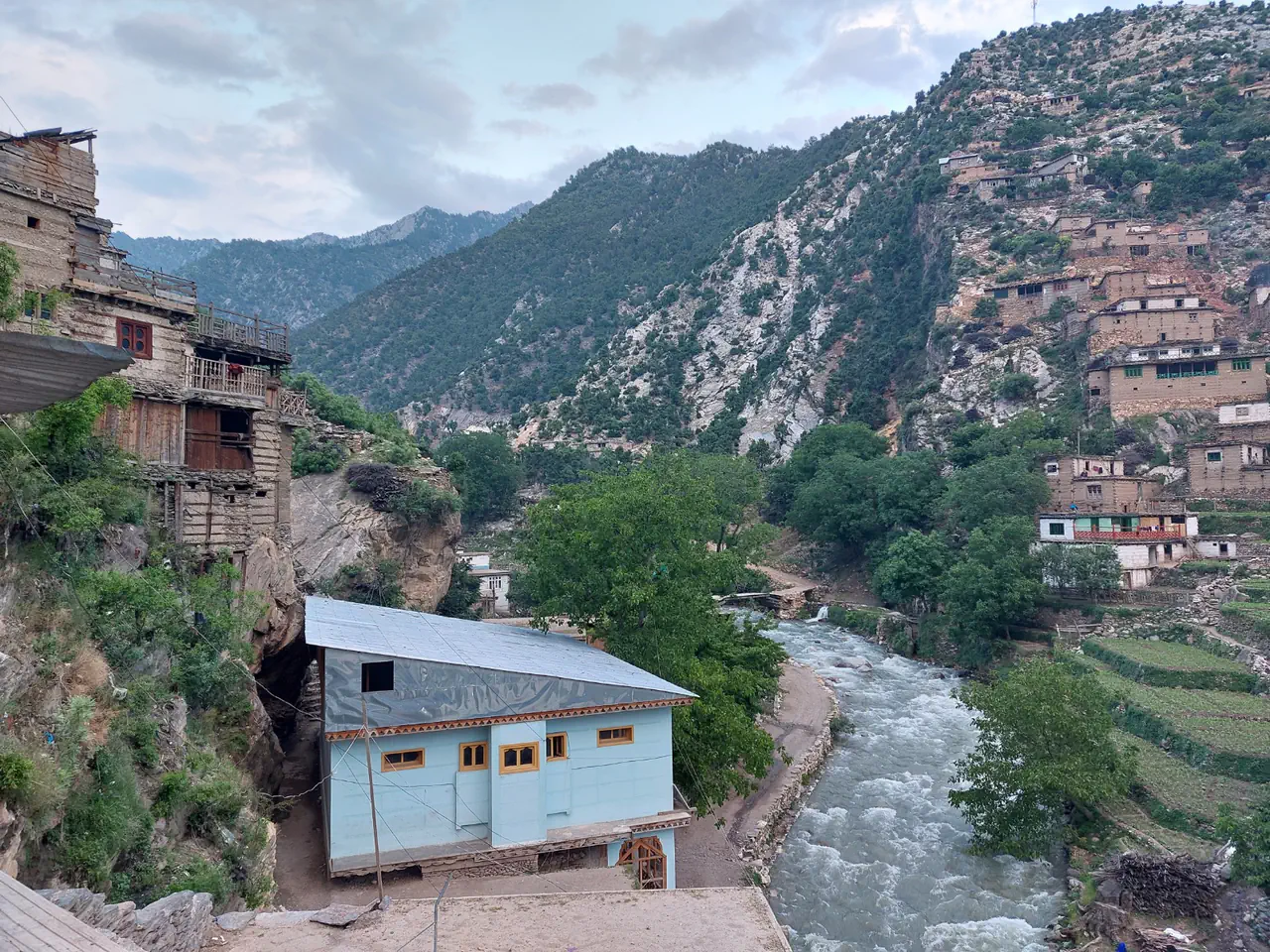
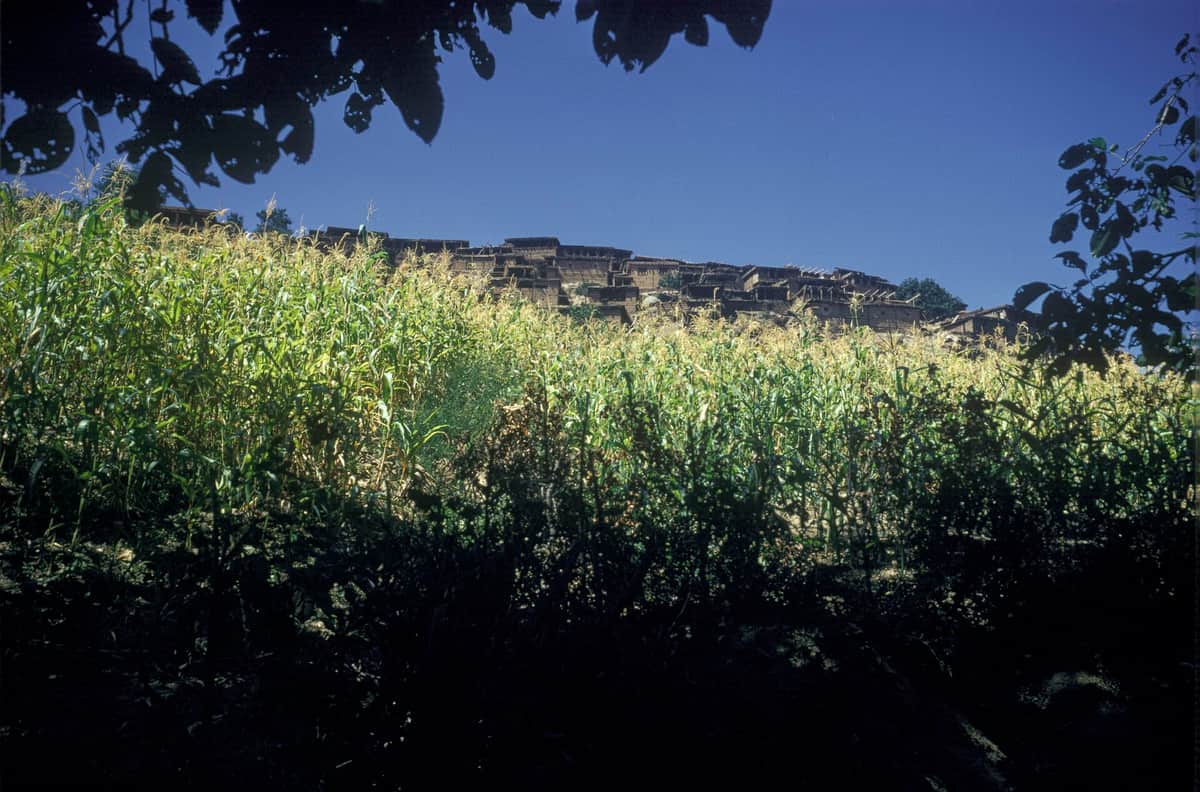
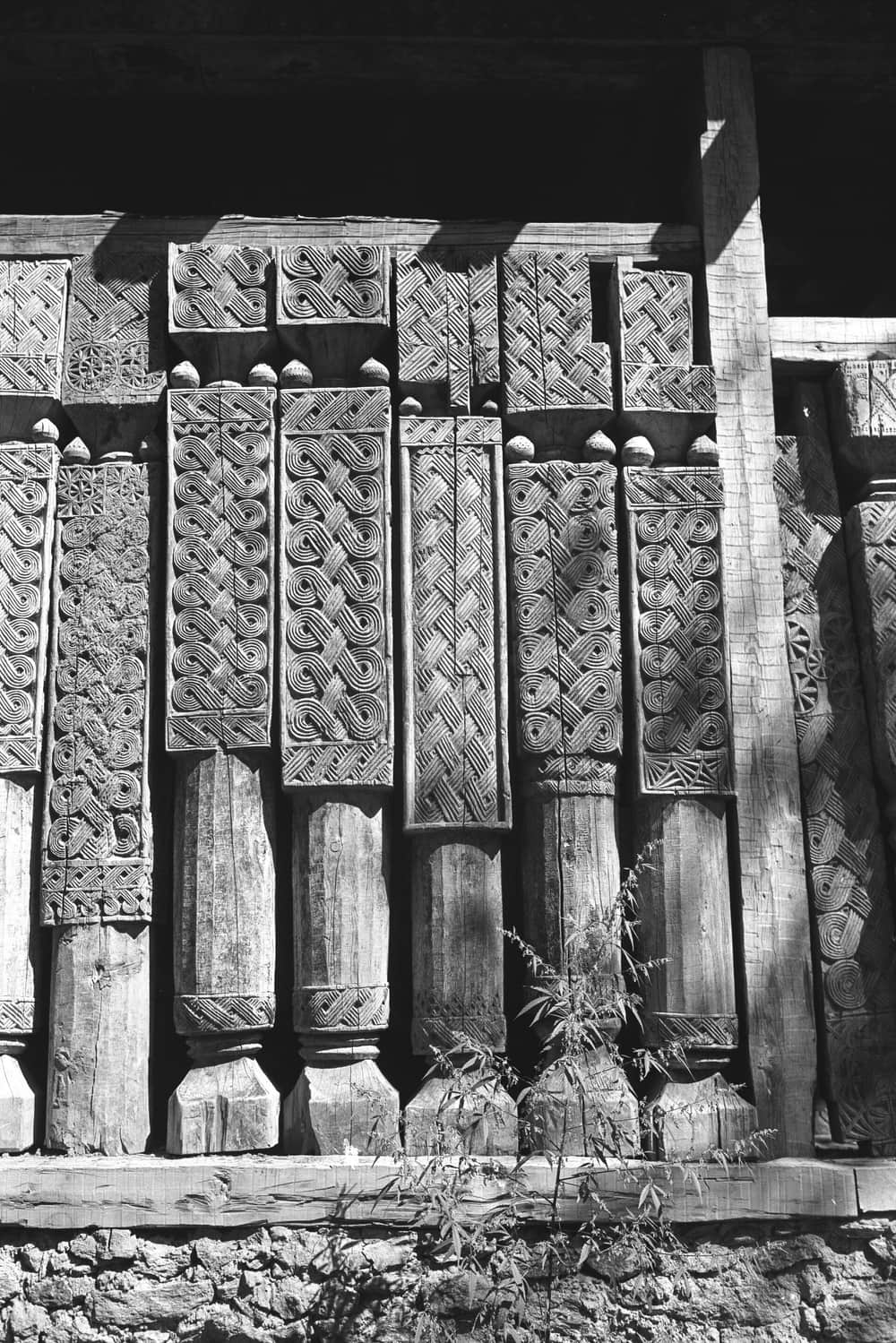
The Landai Sin, which older books call the Bashgal, runs down the eastern side of Nuristan to join the Kunar river near the Pakistan border. Kamdesh district lies along its lower course. The village of Kamdesh, Kombrom in the Kom's own language, is built high on the mountainside in the Nuristani way, each house's roof the terrace of the one above, with carved timber on the older houses and on the mosques.
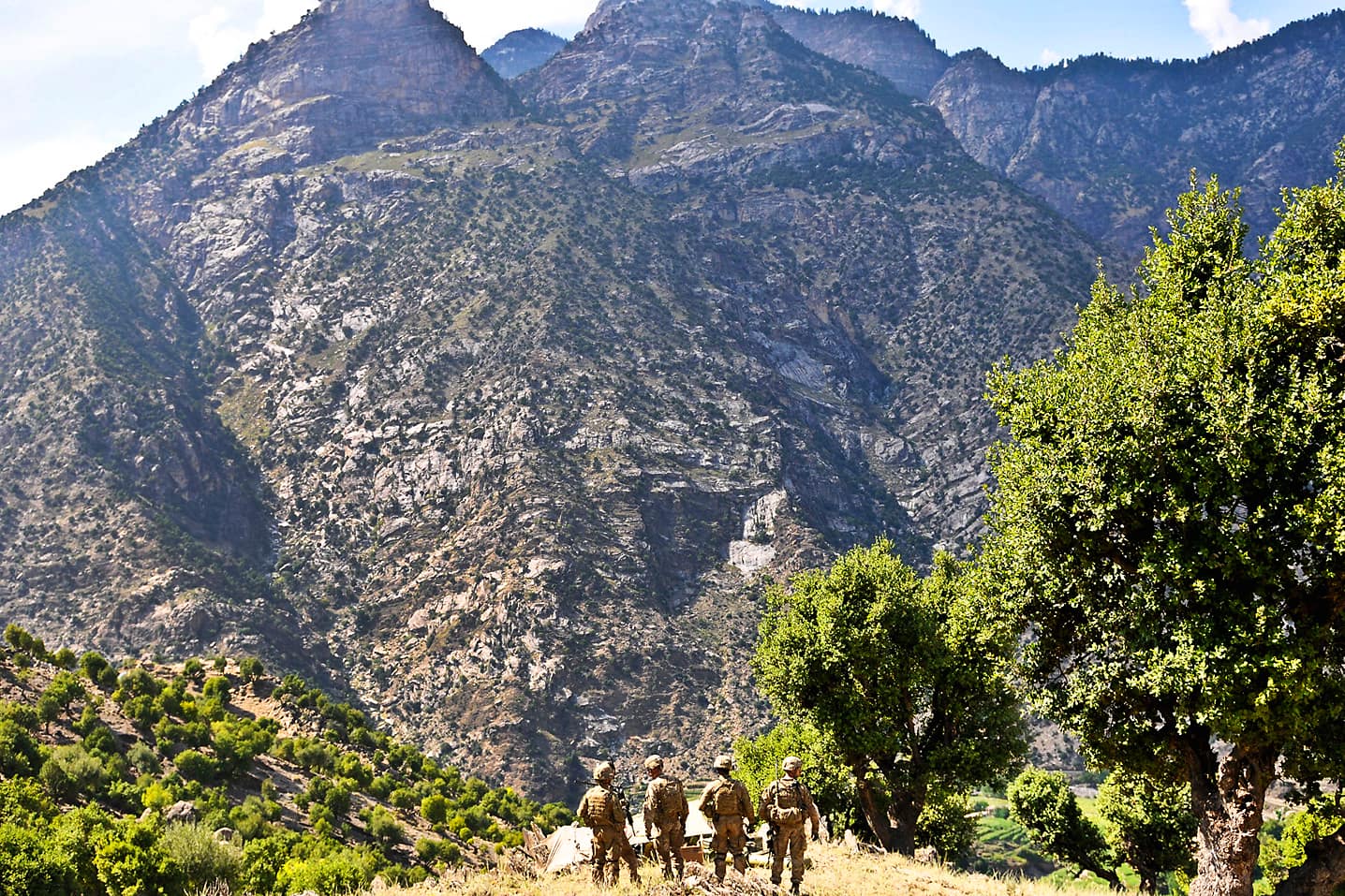
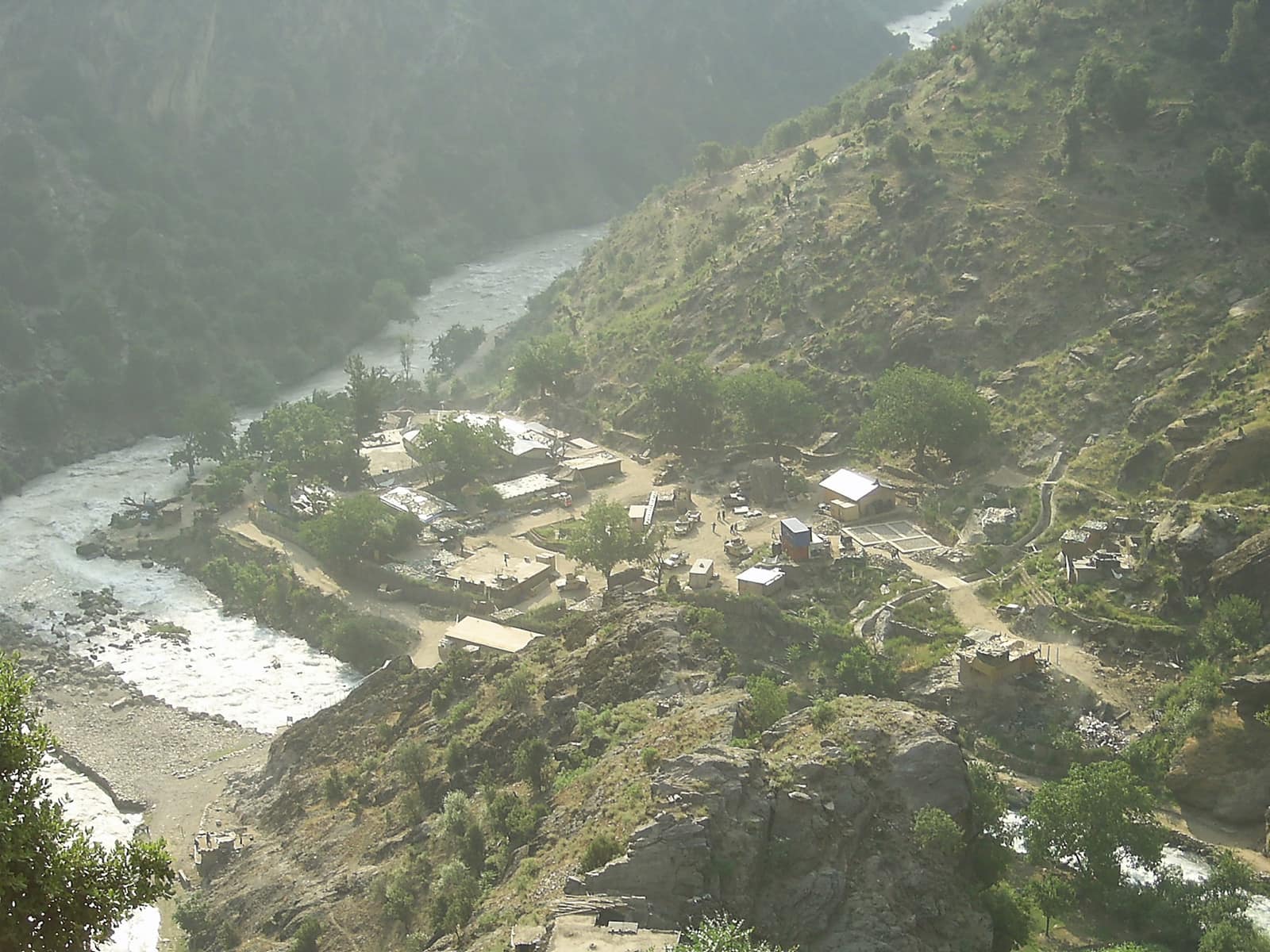
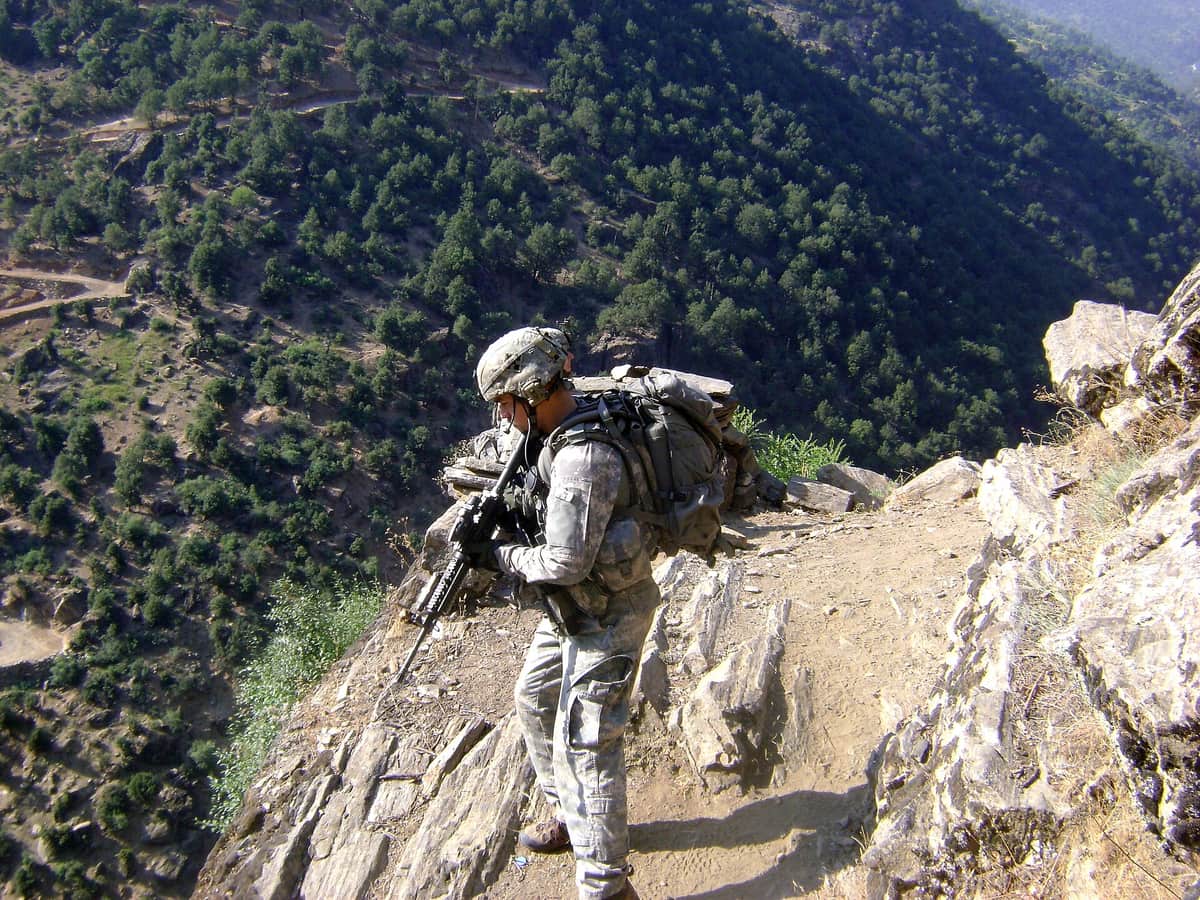
The outpost was not in the village. It stood far below it on the valley floor, beside the hamlet of Urmul, fewer than forty families, at the point where the Kushtoz stream comes down to meet the river. The Army described the site as the bottom of a constricted, bowl-shaped valley. Three mountains stand over it, with summits between 3,000 and 3,600 metres, and the soldiers called it the fishbowl. It was some twenty kilometres from the Pakistan border, and thirty to fifty by road from the nearest large base, at Naray in Kunar, along a track at most four metres wide cut into the cliffs above the river.
Why an outpost was built there
The Americans came up the valley in the summer of 2006, when the commander of a brigade of the 10th Mountain Division ordered a line of small bases in Nuristan. The one at Kamdesh was opened as the home of a Provincial Reconstruction Team. Its purposes were to connect the district to the government in Kabul with roads and projects, to watch the routes over the border from Pakistan, and to keep fighters out of the valley.
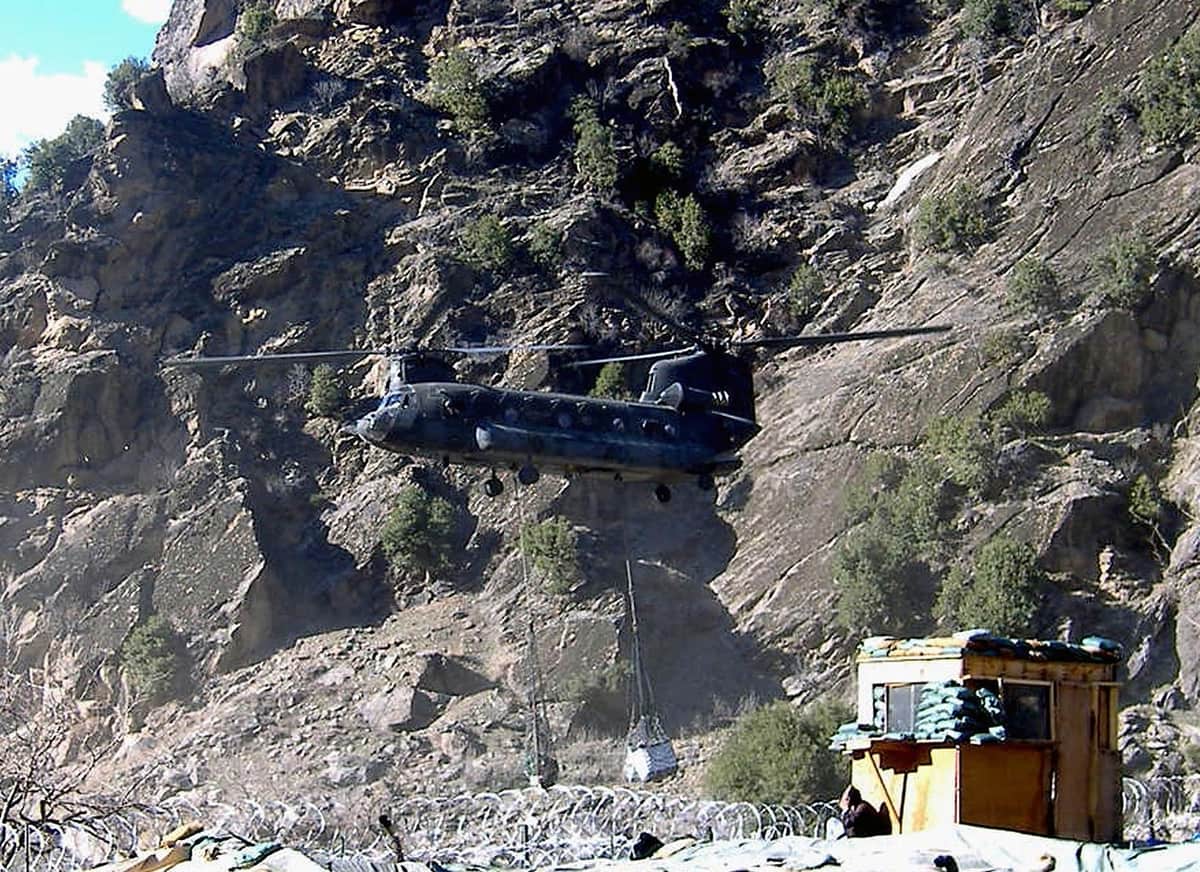
It was put on the valley floor for a plain reason. The Army had too few helicopters to keep a post on the heights supplied, so the base had to be next to the road, and the road follows the river. From the first, everyone who served there could see the cost of that: the ground above the camp on every side belonged to whoever chose to climb it.
The valley took lives before the battle. Four American soldiers were killed in the district in June 2006, before the outpost existed. In November that year First Lieutenant Benjamin Keating, 27, of Shapleigh, Maine, died when his vehicle turned over on the road in Kamdesh, and the outpost was given his name. In July 2007 Major Thomas Bostick and Staff Sergeant William Fritsche were killed in a fight near Kamu, further down the valley; the base at Naray and the observation post above Keating were named after them. In October 2008 the outpost's commander, Captain Robert Yllescas, was wounded by a bomb at the outpost, and he died that December.
The elders and the plan to leave
The Kom govern themselves through their elders, as every Nuristani people does, and the American officers who did best at Kamdesh were the ones who understood that. In 2007 and 2008 the squadron commander worked with a council of about a hundred Kom elders, which the soldiers called the hundred-man shura. In April 2008 he reported that the council had told the fighters in the hills to make peace or be treated as an enemy of the whole tribe.
By 2009 the Army had decided the outpost was not worth holding. It was to close in July or August. The closing slipped, because the helicopters and the surveillance aircraft needed for the move had been sent to a fight at Barg-e Matal, higher up the same valley, and to the search for a missing soldier elsewhere. The investigation later counted 47 attacks on the outpost in its last five months. Its defences were not improved in that time, since it was about to be abandoned, and warnings of a large attack were discounted because there had been so many before.
3 October 2009
At about three in the morning fighters went through Urmul and told the villagers to leave. No warning reached the base. A few minutes before six, by the Army's reckoning at 5.58, some 300 men opened fire on the outpost from every side with rockets, mortars, machine guns and rifles, and attacked Observation Post Fritsche on the mountain at the same moment, which kept its mortars from helping.
The outpost's own mortar crew was pinned down at once. The Afghan soldiers holding the eastern side did not hold it. Within 48 minutes the radio log recorded enemy inside the wire. The attackers came in at three places, by the latrines, at the main gate and from the east, and set fire to the buildings. Most of the barracks burned. The Americans fell back to a few buildings in the middle of the camp.
What followed is the part most people know. Staff Sergeant Clinton Romesha gathered a handful of men and led them back across the camp, retaking the ammunition store, then the front gate, then the meeting hall where the shura used to sit. Specialist Ty Carter ran ammunition across open ground under fire and carried a wounded friend, Stephan Mace, to cover. Attack helicopters and jets were overhead by eight, and a heavy bomber from about nine. A storm came through near noon. By the end of the day nineteen aircraft had dropped sixteen tons of bombs on the slopes, and missiles had destroyed the mosque in Urmul, which, like the police post, the attackers had fired from.
The last fighters were inside the camp until ten past five in the afternoon. The relief force reached the outpost at seven in the evening. The fight had lasted twelve or thirteen hours.
The dead and the wounded
Eight American soldiers were killed.
- Staff Sergeant Justin T. Gallegos, 27, of Tucson, Arizona
- Staff Sergeant Vernon W. Martin, 25, of Savannah, Georgia
- Sergeant Joshua M. Hardt, 24, of Applegate, California
- Sergeant Joshua J. Kirk, 30, of South Portland, Maine
- Sergeant Michael P. Scusa, 22, of Villas, New Jersey
- Specialist Christopher T. Griffin, 24, of Kincheloe, Michigan
- Specialist Stephan L. Mace, 21, of Lovettsville, Virginia
- Private First Class Kevin C. Thomson, 22, of Reno, Nevada
The Army's summary counts 22 Americans wounded; other accounts say 27, the number of Purple Hearts awarded. Eight Afghan soldiers and two Afghan guards were wounded. Reports of the Afghan dead run from two to seven, and between eleven and fifteen Afghan policemen were taken prisoner. The Army estimated that about 150 of the attackers were killed. The Taliban, who claimed the attack, admitted to seven.
We have found no count of the people of Urmul and Kamdesh who were hurt or lost their homes that day. They had been sent out of the hamlet before dawn, and the mosque they came back to was gone.
After the battle
The soldiers were flown out over the following days, and on 6 October American aircraft bombed the camp to destroy what had been left. A video made by the fighters soon afterwards showed them among what had been left behind.
The Army's investigation was made public in February 2010. It found that by the middle of 2009 the outpost had no tactical or strategic value, that it had been left in place while its defences ran down, and that the warnings had not been acted on. Four officers in the chain of command were reprimanded or admonished.
The men who fought there became one of the most decorated units, for a single battle, of the whole war. Clinton Romesha received the Medal of Honor on 11 February 2013 and Ty Carter on 26 August 2013. Justin Gallegos, who was killed, and Lieutenant Andrew Bundermann, who commanded the defence, were later awarded the Distinguished Service Cross. There were also nine Silver Stars, eighteen Bronze Stars for valour and twenty-seven Purple Hearts.
The Outpost: the book and the film
Jake Tapper's book The Outpost came out in 2012 and tells the whole story of the base from 2006, not only its last day. Clinton Romesha's own account, Red Platoon, followed in 2016. The film The Outpost, directed by Rod Lurie, was released on 3 July 2020, with Scott Eastwood as Romesha, Caleb Landry Jones as Carter and Orlando Bloom as Benjamin Keating. Netflix's documentary series Medal of Honor (2018) gives an episode each to Romesha and Carter.
People ask whether the film is true. It is, more than most war films. The soldiers appear under their own names, veterans of the battle advised on it, and one of them, Daniel Rodriguez, plays himself. The battle follows the record closely. The liberties are with time: Keating's death in 2006 and Yllescas's in 2008 are moved into the months before the attack, so that three years of commanders pass in what looks like one season, and one character is invented.
The thing the film could not bring is the place. It was shot in a quarry in Bulgaria, and the hills on screen are bare. The real valley is a deep green gorge with a fast river in the bottom of it, maize on the terraces, holly oak on the lower slopes and cedar forest above, as the photograph at the top of this page shows. And the village in whose name the battle was fought is hardly in the film at all.
Kamdesh itself
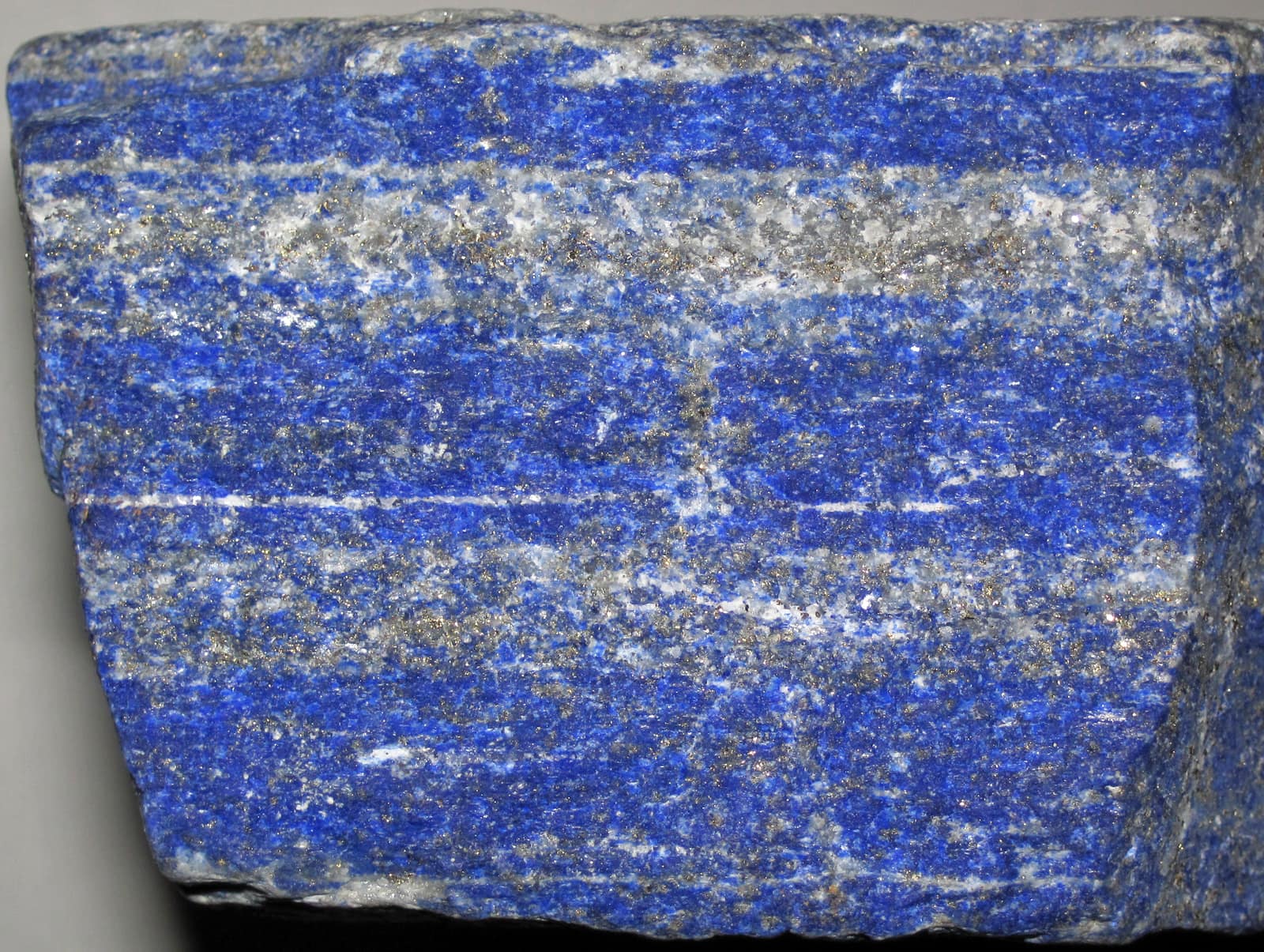
The Kom have lived in this valley for longer than anyone has written about it. Their language is Kamviri, one of the dialects of the Kati group of Nuristani languages, and their main village gave the district its name. George Scott Robertson lived here in 1890 and 1891, and his book The Kafirs of the Hindu-Kush is still the fullest description of how Nuristanis lived before 1896. The district is known in Nuristan for its tiered timber houses, for its woodcarvers, for the gem mines at Paprok, and for archery with the long wooden bow, which still draws villages together by the river.
The outpost left very little behind. A reporter who walked to the site in 2021 found almost nothing to show where it had been. The river, the hamlet of Urmul and the village on the mountain are where they were.
Questions people ask
What happened at the Battle of Kamdesh?
At about six in the morning on 3 October 2009, some 300 fighters attacked Combat Outpost Keating and the observation post above it, in Kamdesh district, Nuristan. They broke into the outpost in three places and burned most of it. The garrison of about fifty Americans fought for twelve hours, with heavy air support, and retook the camp. Eight American soldiers were killed.
Where was COP Keating?
On the floor of the Landai Sin valley in Kamdesh district, Nuristan province, eastern Afghanistan, beside the hamlet of Urmul where the Kushtoz stream joins the river. Kamdesh village itself stands high on the slope above. The outpost was some twenty kilometres from the Pakistan border and thirty to fifty by road from the nearest large base, at Naray in Kunar.
How many soldiers died at COP Keating?
Eight American soldiers were killed. The Army's summary counts 22 Americans wounded, and 27 Purple Hearts were awarded. Eight Afghan soldiers and two Afghan guards were wounded, and reports of Afghan dead run from two to seven. The Army estimated that about 150 of the attackers were killed.
Is The Outpost a true story?
Yes. The 2020 film is based on Jake Tapper's 2012 book The Outpost, which reconstructs the history of the base from 2006 and the battle of 3 October 2009 from interviews and Army records. The soldiers in it are real people under their own names, and several veterans of the battle worked on the film. One of them, Daniel Rodriguez, plays himself.
How accurate is The Outpost?
The battle is shown closely to the record. The main changes are of time: the deaths of Lieutenant Benjamin Keating in 2006 and Captain Robert Yllescas in 2008 are moved into the months before the battle, and one character is invented. The film was shot in a quarry in Bulgaria, so the mountains on screen are not the real valley, which is steeper and forested.
Why was COP Keating built in a valley?
It was founded in 2006 as a base for a reconstruction team, and it had to be next to the road. The Army had too few helicopters to supply a post on the heights, and the one road to Kamdesh runs along the valley floor. That put the outpost at the bottom of three steep mountains, where anyone above could look and shoot down into it.
Who won the Battle of Kamdesh?
The garrison held the outpost and the Army's investigation called the result a severe tactical defeat for the attackers, who by its estimate lost about half their number. But the Americans left within days, as they had already planned to, and the fighters filmed themselves among what was left. Each side counts it as its own.
What happened to COP Keating after the battle?
The soldiers were flown out over the following days and American aircraft bombed what was left on 6 October 2009, to deny it to anyone else. Nothing was rebuilt there. A reporter who walked to the site in 2021 found almost nothing to show where it had been.
Read on
- Kamdesh district: the Kom, the timber villages and the map
- The Battle of Wanat, 2008, in the Waygal valley
- Kafiristan: the country Robertson described from Kamdesh
- Kunar and the road up the river from Naray
- The history of Nuristan, from Kafiristan to today
- Who are the Nuristani people? The Kom and their neighbours
- How the tiered timber villages are built
Questions people ask
What happened at the Battle of Kamdesh?
At about six in the morning on 3 October 2009, some 300 fighters attacked Combat Outpost Keating and the observation post above it, in Kamdesh district, Nuristan. They broke into the outpost in three places and burned most of it. The garrison of about fifty Americans fought for twelve hours, with heavy air support, and retook the camp. Eight American soldiers were killed.
Where was COP Keating?
On the floor of the Landai Sin valley in Kamdesh district, Nuristan province, eastern Afghanistan, beside the hamlet of Urmul where the Kushtoz stream joins the river. Kamdesh village itself stands high on the slope above. The outpost was some twenty kilometres from the Pakistan border and thirty to fifty by road from the nearest large base, at Naray in Kunar.
How many soldiers died at COP Keating?
Eight American soldiers were killed. The Army's summary counts 22 Americans wounded, and 27 Purple Hearts were awarded. Eight Afghan soldiers and two Afghan guards were wounded, and reports of Afghan dead run from two to seven. The Army estimated that about 150 of the attackers were killed.
Is The Outpost a true story?
Yes. The 2020 film is based on Jake Tapper's 2012 book The Outpost, which reconstructs the history of the base from 2006 and the battle of 3 October 2009 from interviews and Army records. The soldiers in it are real people under their own names, and several veterans of the battle worked on the film. One of them, Daniel Rodriguez, plays himself.
How accurate is The Outpost?
The battle is shown closely to the record. The main changes are of time: the deaths of Lieutenant Benjamin Keating in 2006 and Captain Robert Yllescas in 2008 are moved into the months before the battle, and one character is invented. The film was shot in a quarry in Bulgaria, so the mountains on screen are not the real valley, which is steeper and forested.
Why was COP Keating built in a valley?
It was founded in 2006 as a base for a reconstruction team, and it had to be next to the road. The Army had too few helicopters to supply a post on the heights, and the one road to Kamdesh runs along the valley floor. That put the outpost at the bottom of three steep mountains, where anyone above could look and shoot down into it.
Who won the Battle of Kamdesh?
The garrison held the outpost and the Army's investigation called the result a severe tactical defeat for the attackers, who by its estimate lost about half their number. But the Americans left within days, as they had already planned to, and the fighters filmed themselves among what was left. Each side counts it as its own.
What happened to COP Keating after the battle?
The soldiers were flown out over the following days and American aircraft bombed what was left on 6 October 2009, to deny it to anyone else. Nothing was rebuilt there. A reporter who walked to the site in 2021 found almost nothing to show where it had been.
Sources
- US Army: summary of the investigation into the attack on COP Keating (5 February 2010), as published by the Long War Journal
- US Army: Medal of Honor, Staff Sergeant Clinton L. Romesha
- US Army: Medal of Honor, Staff Sergeant Ty M. Carter, with the map of the battle
- US Department of Defense: the eight soldiers killed at Kamdesh (release 779-09, October 2009)
- The New York Times: the Army's findings on the attack (6 February 2010)
- The New York Times: the outpost's history in the war logs (26 July 2010)
- The New York Times: first reports of the attack (5 October 2009)
- Air & Space Forces Magazine: the air support at Keating
- NPR: excerpt from Jake Tapper, The Outpost (2012), on the site of the base
- Stars and Stripes: the hundred-man shura of Kamdesh (2008)
- Military Times: the awards for the battle (August 2013)
- US Army: the Distinguished Service Crosses for Justin Gallegos and Andrew Bundermann
- UPI: the film The Outpost and the veterans who appear in it (3 July 2020)
- History vs Hollywood: The Outpost, what the film changed
- Richard Strand: the Kom and their country
- The Diplomat: a visit to Kamdesh and the site of the outpost (October 2021)
- Photograph of the outpost from above: 1st Lt. Brad Larson, US Army, public domain, via DVIDS
- Photograph of the Chinook, March 2007: Sgt. Amber Robinson, US Army, public domain, via Wikimedia Commons
- Photograph of Kamdesh village, 1968: Herbert Maeder, CC BY-SA 4.0, via Wikimedia Commons
- Photograph of the mosque pillars, 1969: Herbert Maeder, CC BY-SA 4.0, via Wikimedia Commons