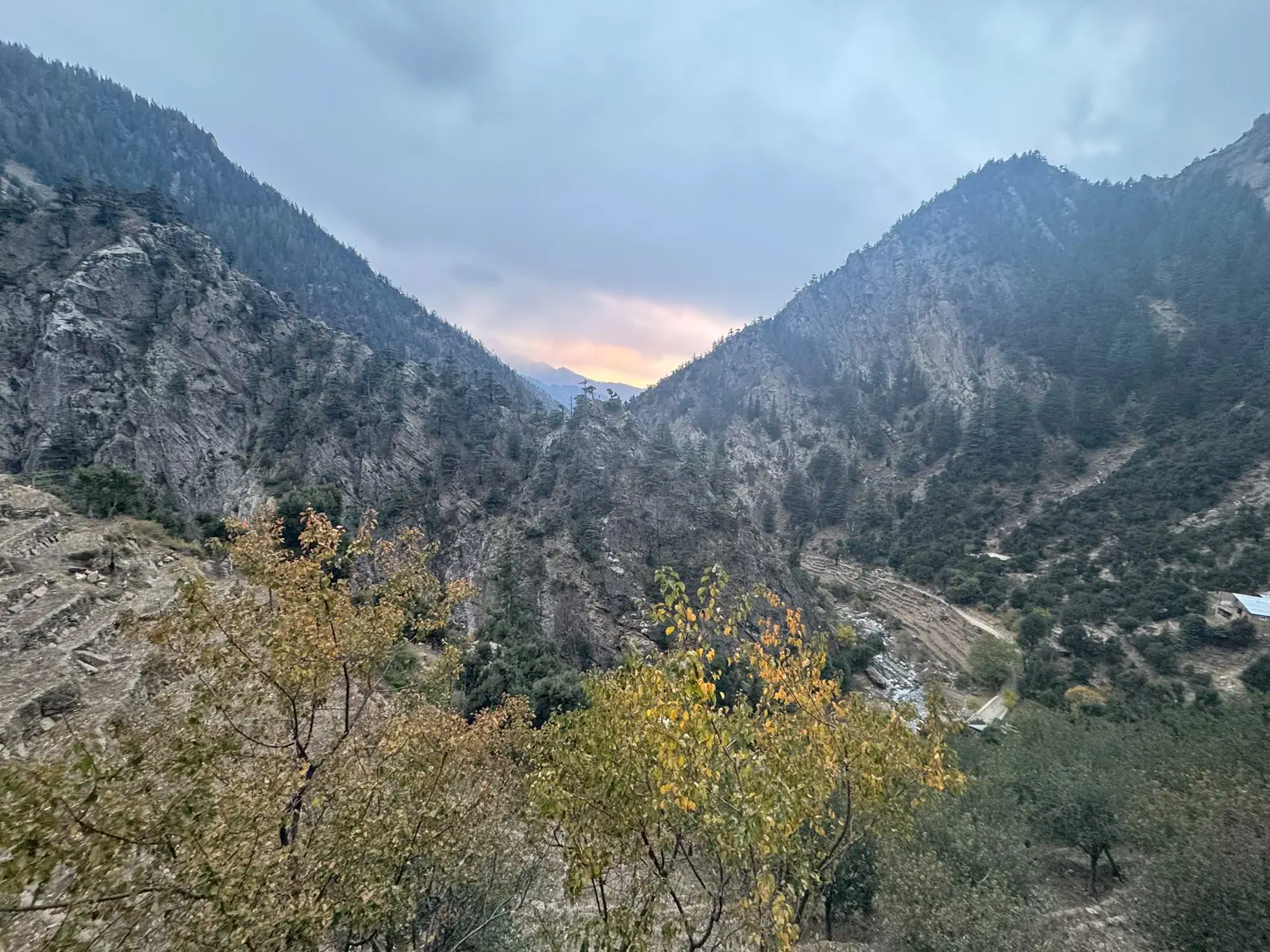
The Sewketra valley
A side valley of the Waygal, half an hour above the district centre, owned by twenty to thirty Chonish families: the valley Engineer Amir Jan Nuristani led, and the one the Nuristani team comes from.
Sewketra, written by the people who belong to it
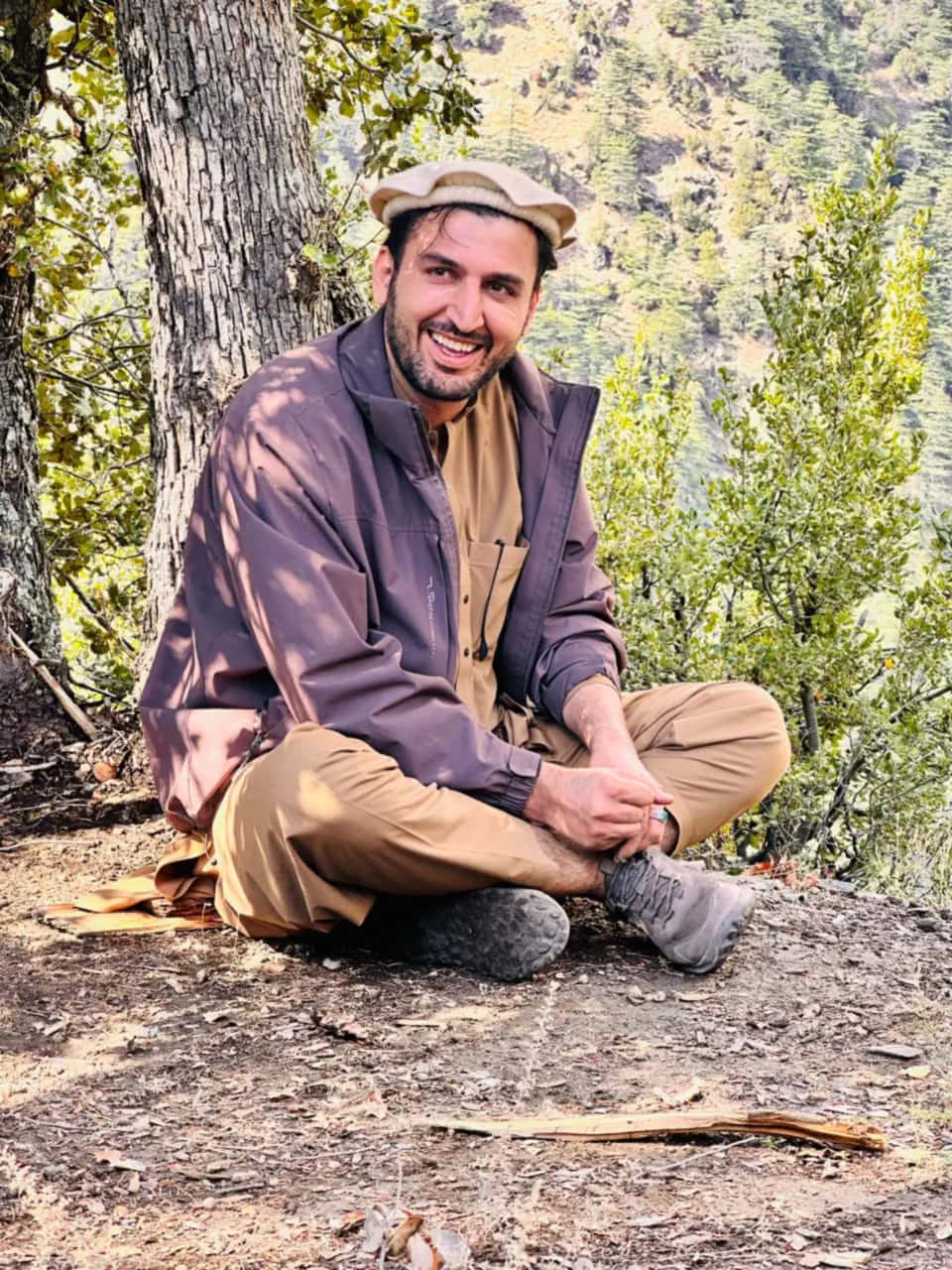
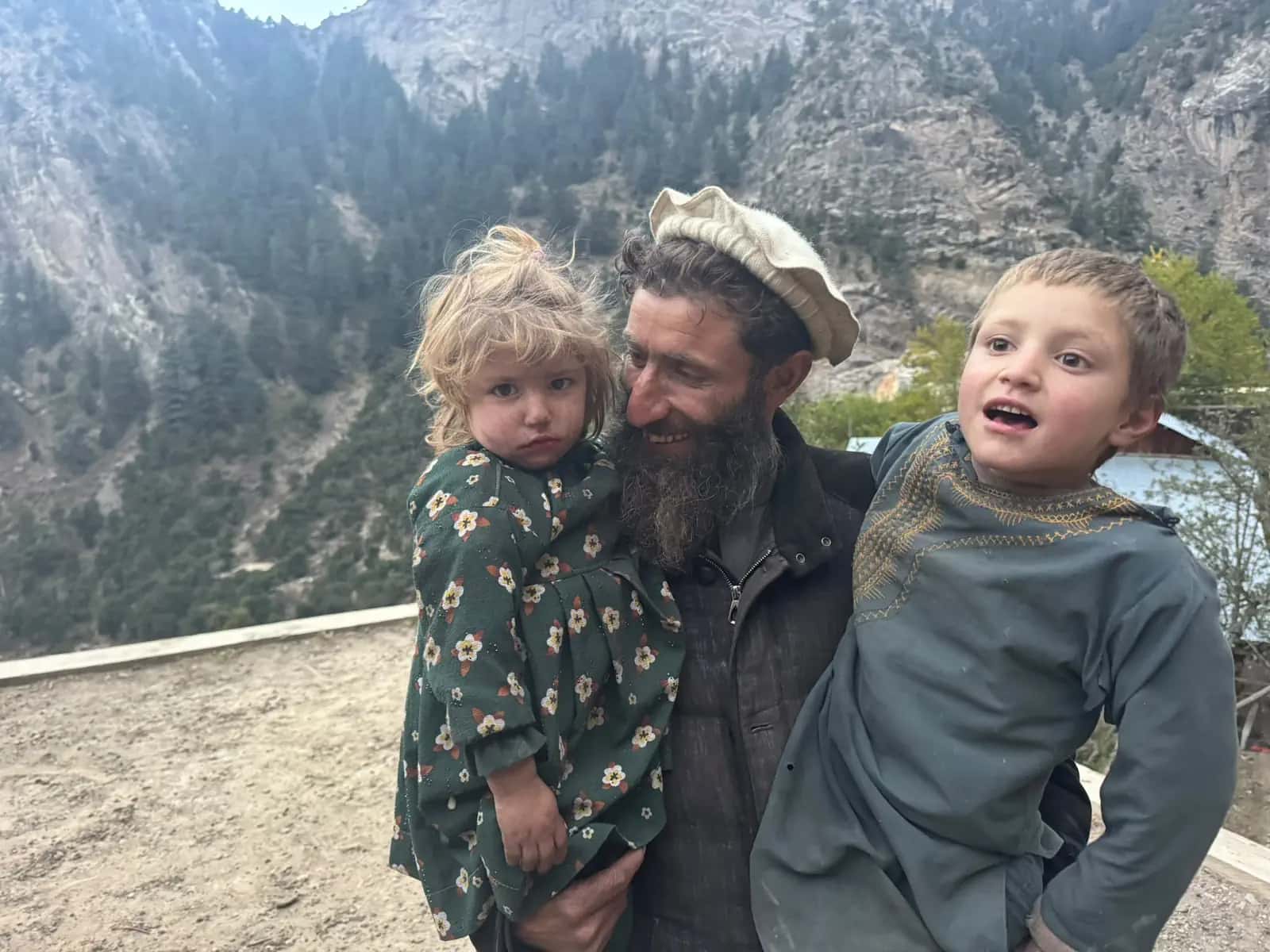
Sewketra is a side valley of the Waygal, about half an hour's drive above the district centre on a road that is still rough stone rather than concrete. It is small: twenty to thirty families, every one of them of the Chonish tribe, who own the whole valley between them, its terraces, its forest and the gem ground in its rock. It is also our own valley. Engineer Amir Jan Nuristani, in whose memory this site was built, was one of its leaders, and the team behind Nuristani, from Sadiq Amiri, who runs our work inside the province, to the guides who walk visitors up it, is Chonish from Waygal.
This page is written by people who belong to the valley. The photographs are ours, taken in Sewketra in the autumn of 2026 and, for the gemstones, in September; the facts are the family's own knowledge. Nothing about Sewketra has been published anywhere, so there are no sources to cite beyond ourselves, and we say only what we know.
- Where
- A side valley of the Waygal river, Waygal district, southern Nuristan
- From the centre
- About thirty minutes by car on a rough, unpaved road
- People
- Twenty to thirty families, all of the Chonish tribe
- Land
- Owned by the valley's own families; once the land of Samad Khan Nuristani
- Lives on
- Maize on the terraces, goats and cows, the forest above
- In the rock
- Aquamarine, tourmaline and morganite, in ground the families own
- Language
- Waygali-ala
- Visiting
- With us; our guides are from the valley
Cedar above, terraces below, the stream between
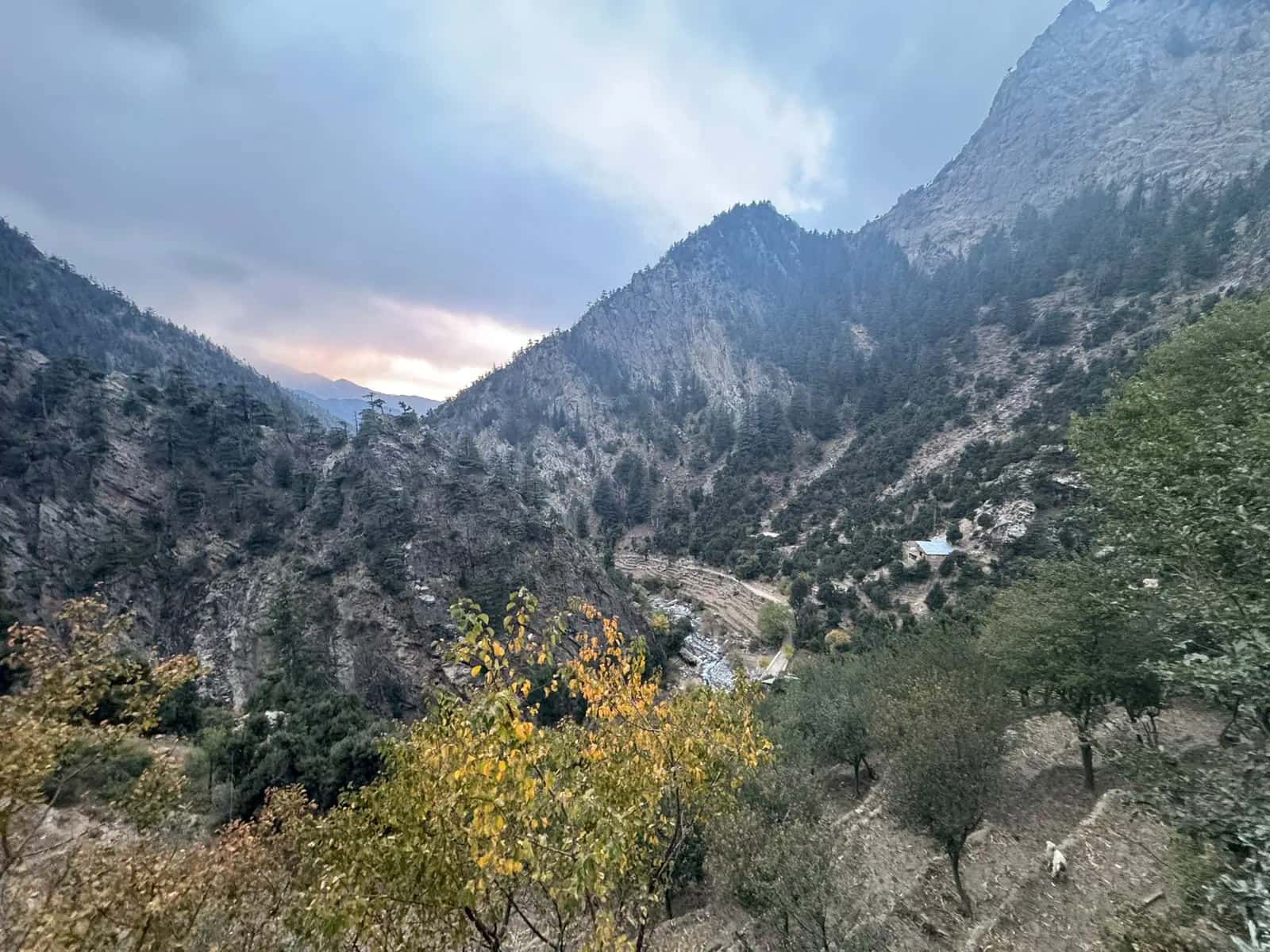
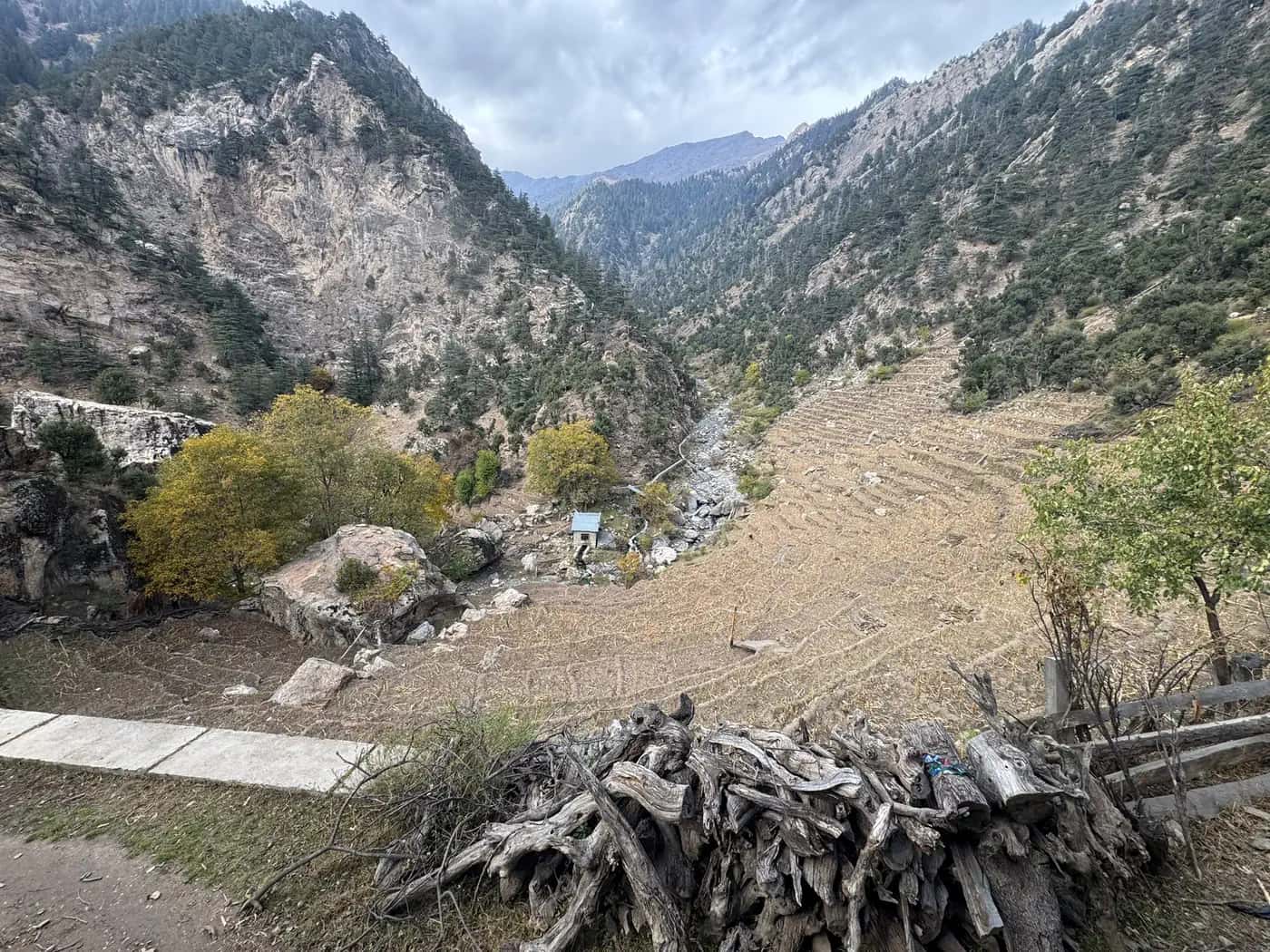
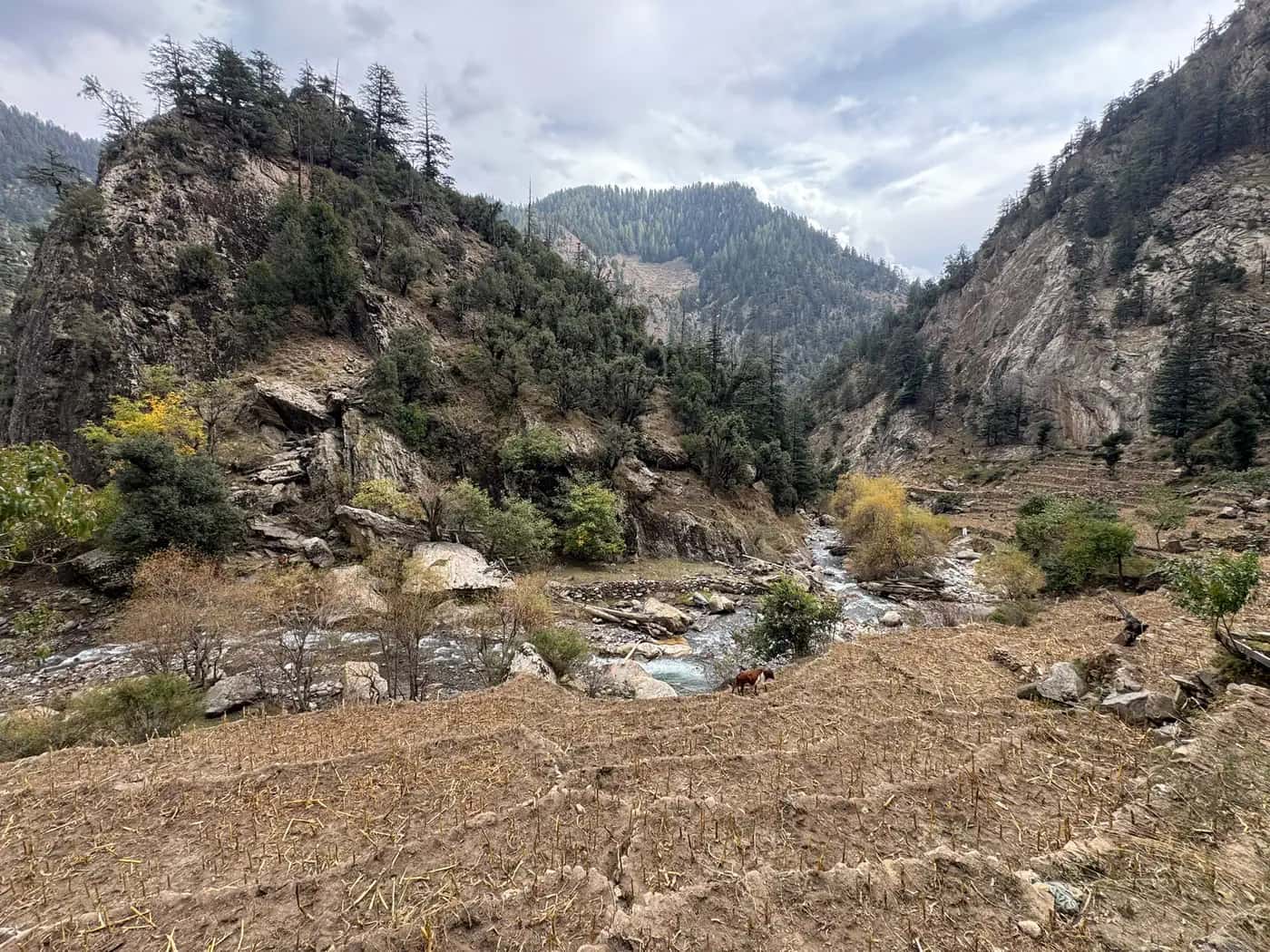
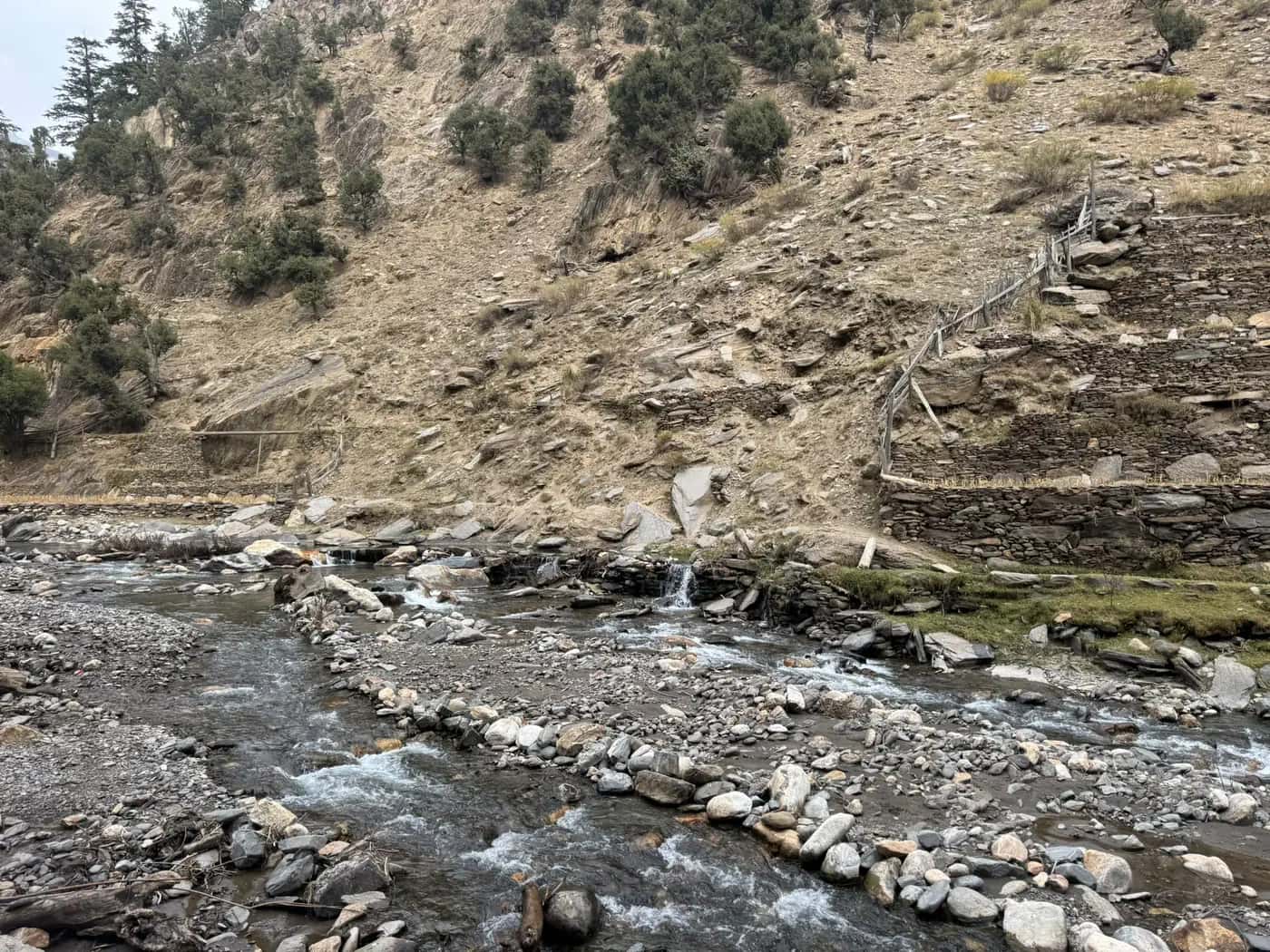
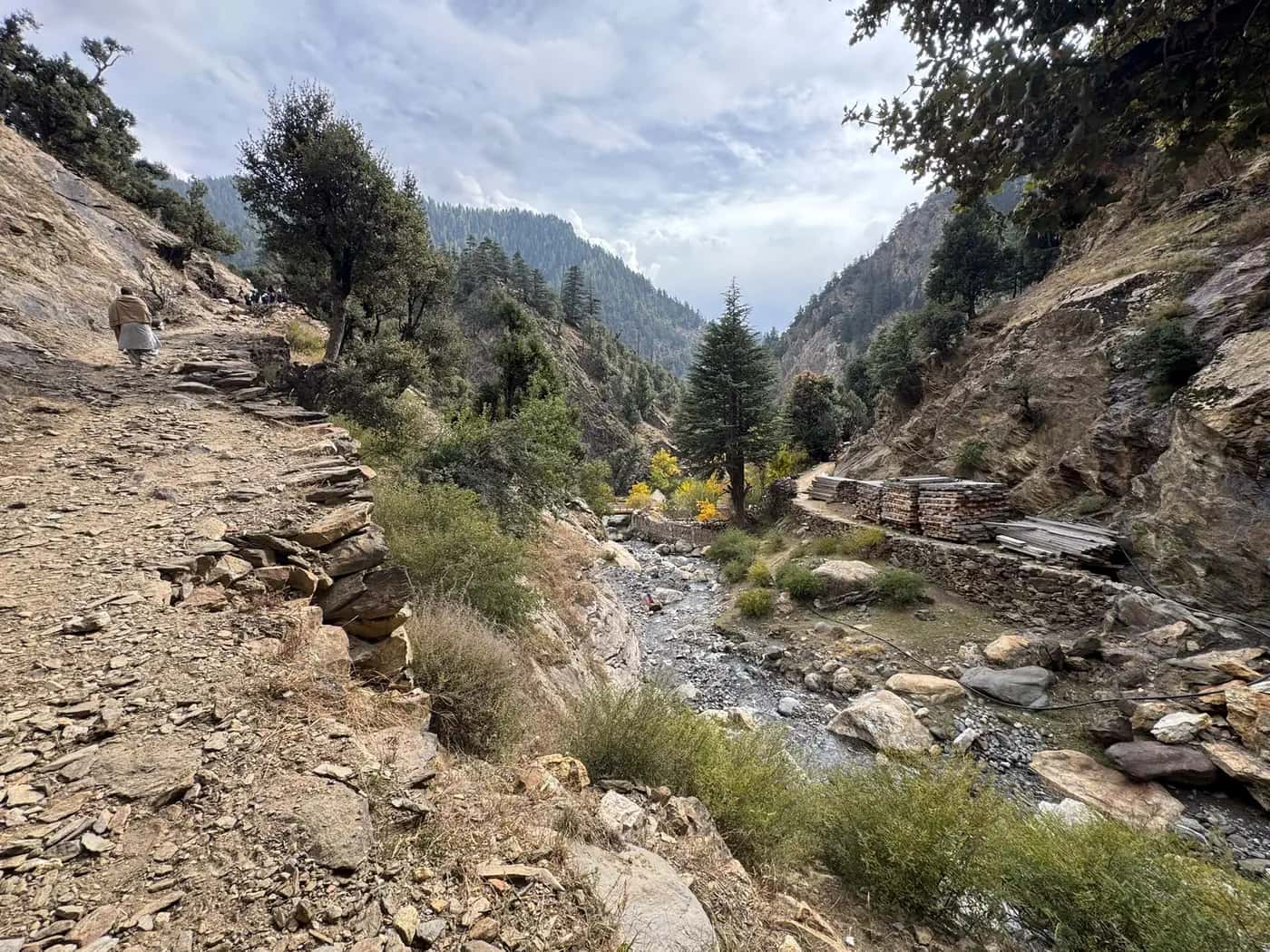
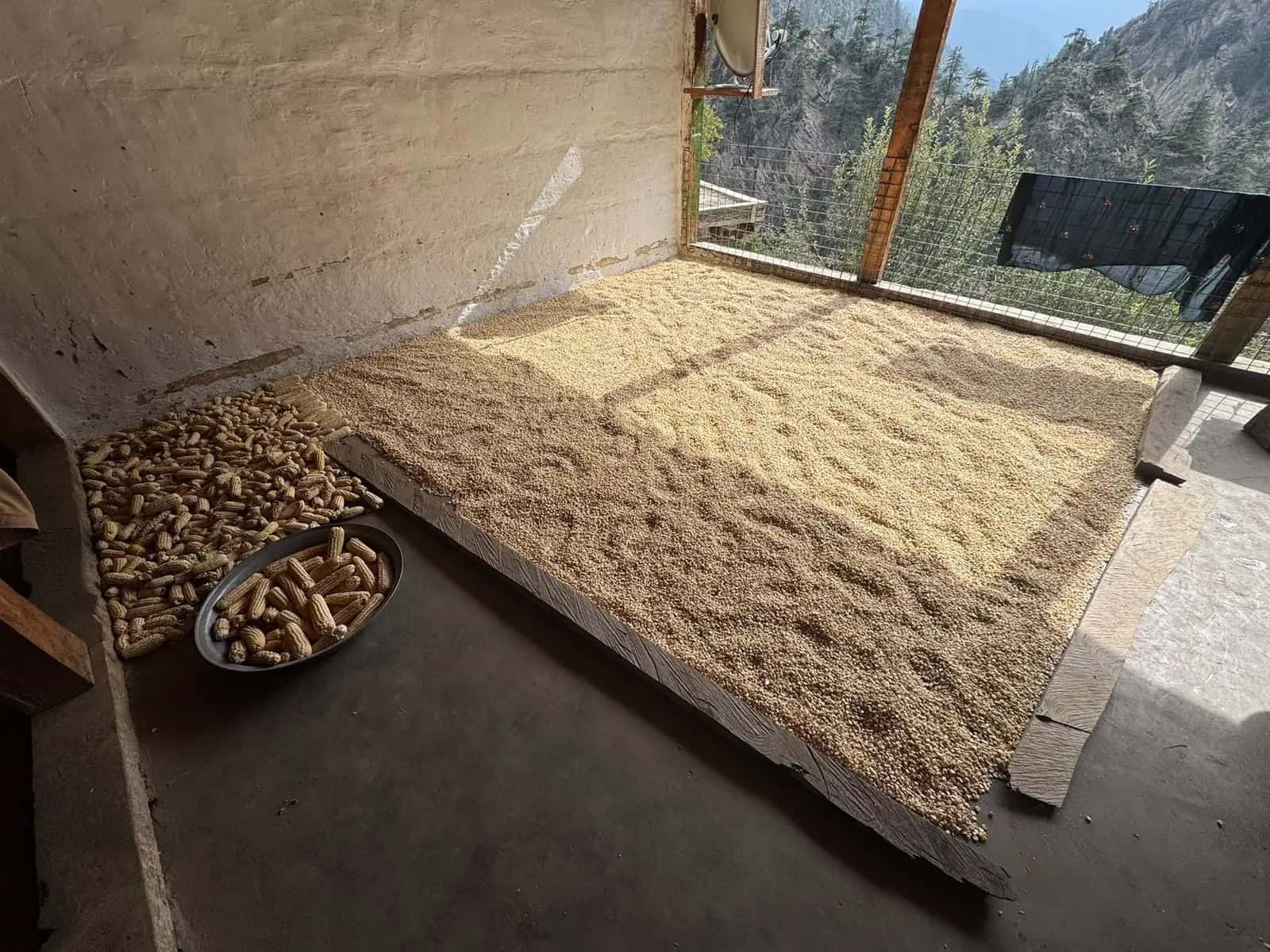
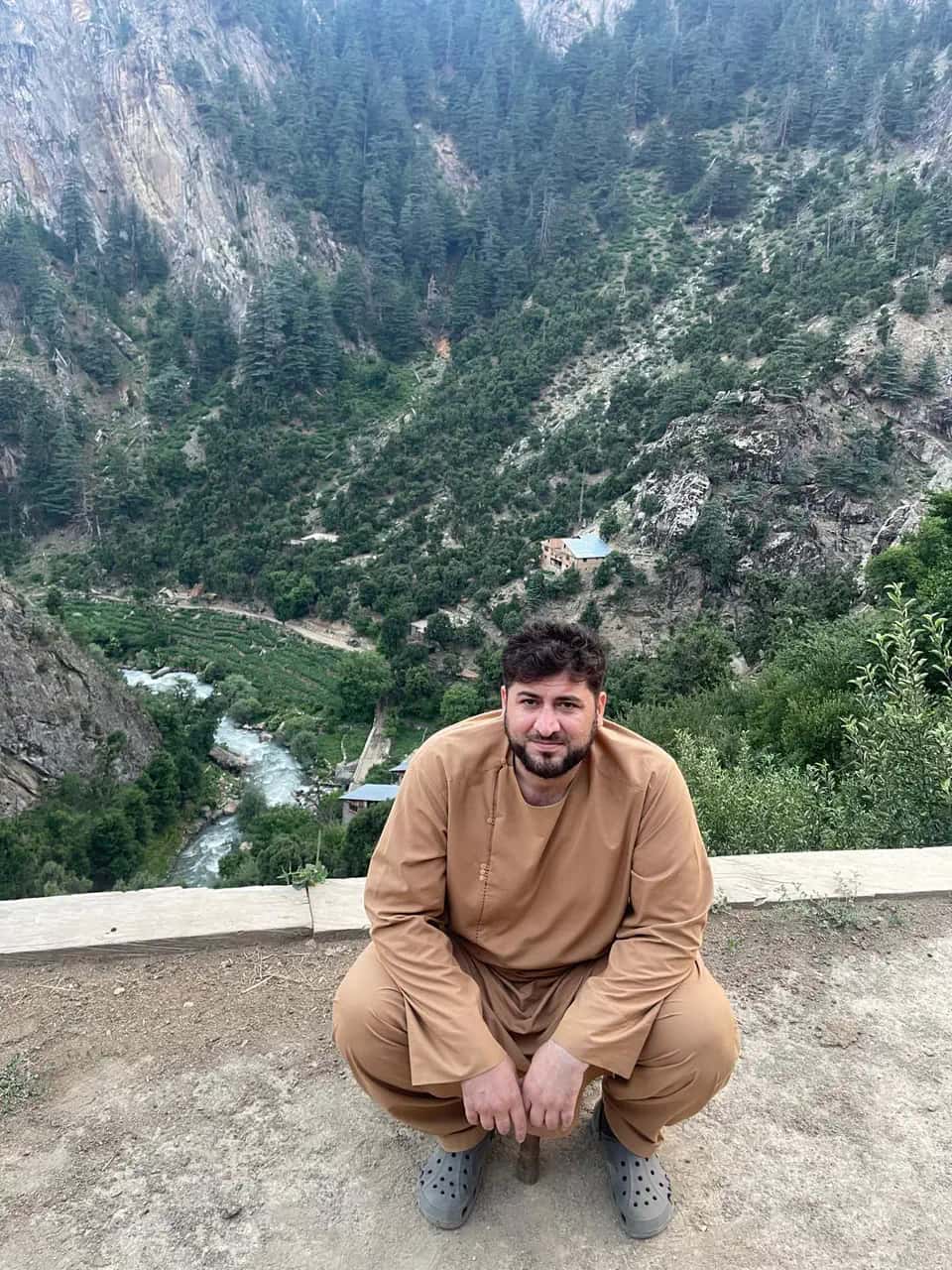
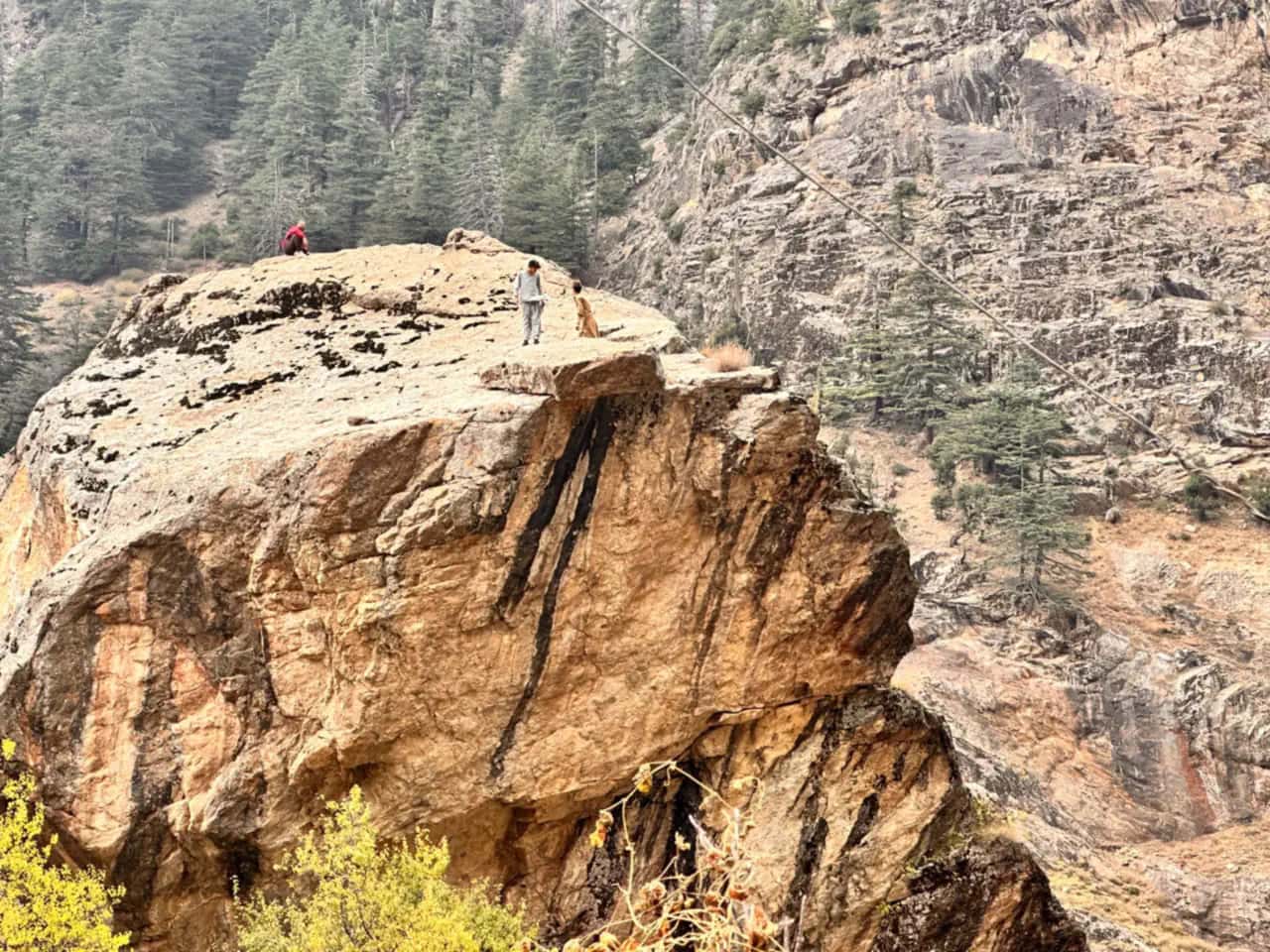
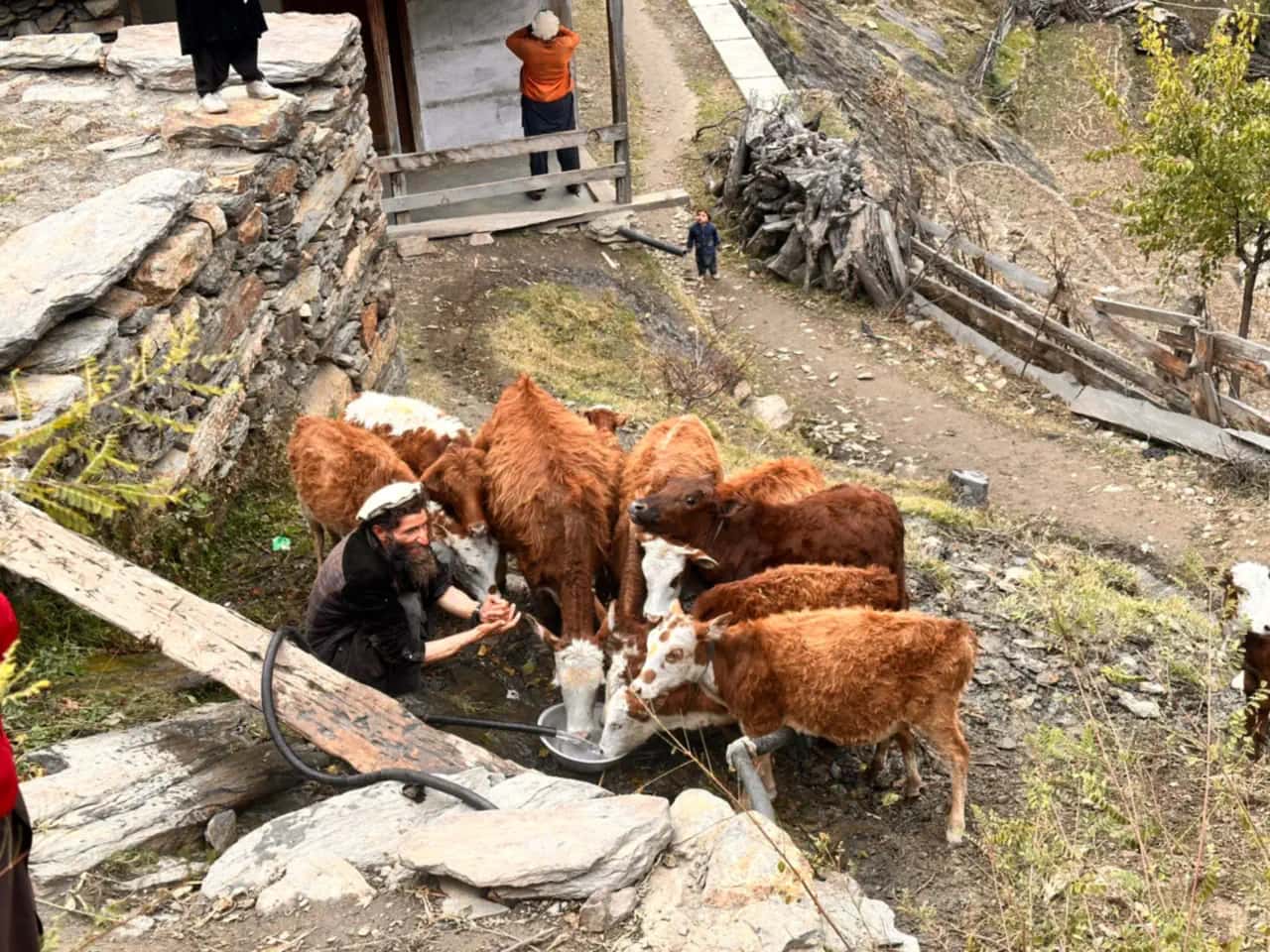
The Sewketra stream comes down to the Waygal through a valley narrow enough for the cedar on one side to face the cedar on the other across the water. Below the forest the slopes are bare rock and scrub, and on the valley floor the families have built terraces, stone-walled and stepped down to the stream, where maize is the main crop. In October the cobs are brought in and spread on the floors of the upper rooms and the flat roofs to dry, the kernels raked out in the sun, and the stubble is left to the cows.
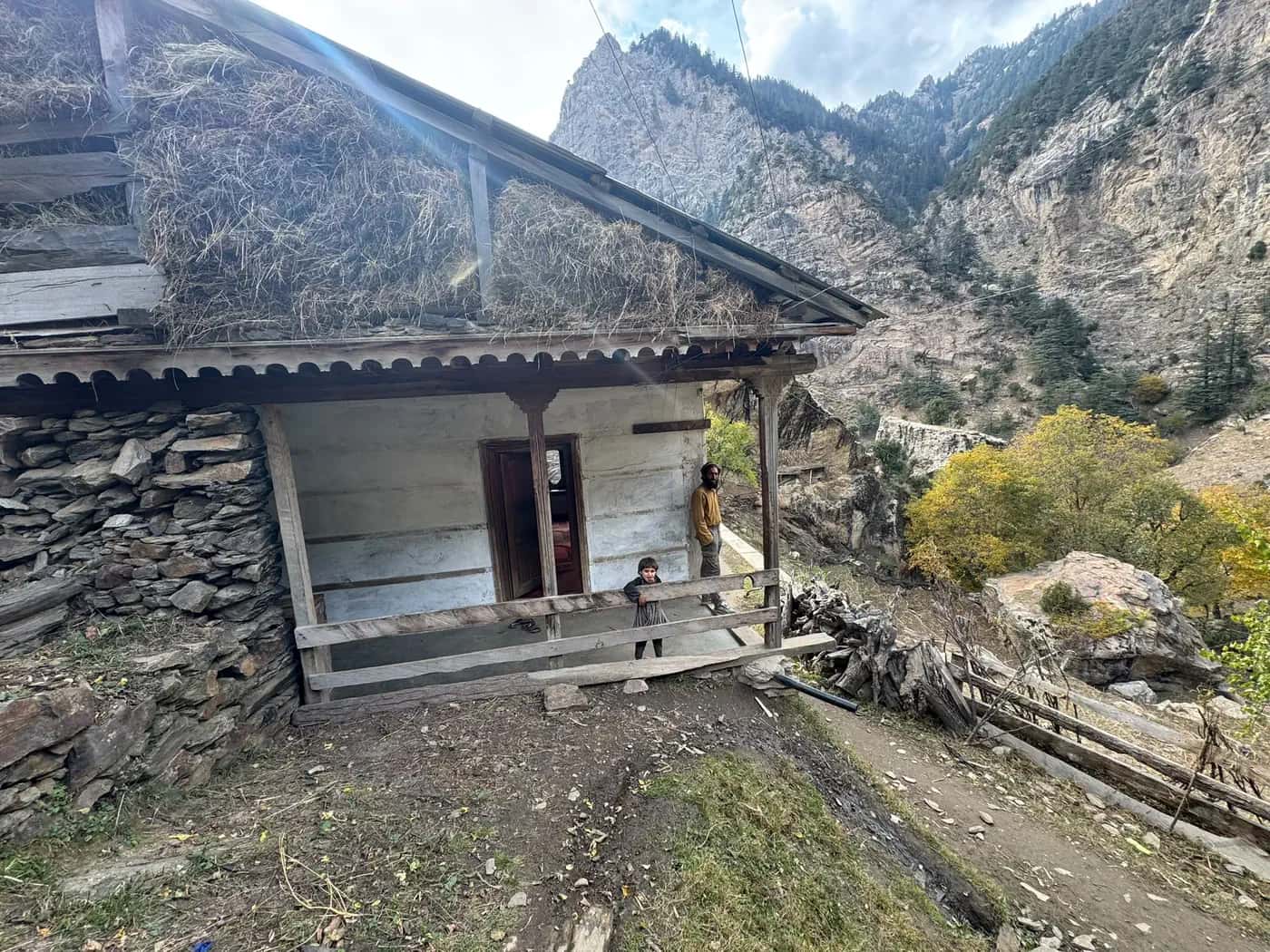
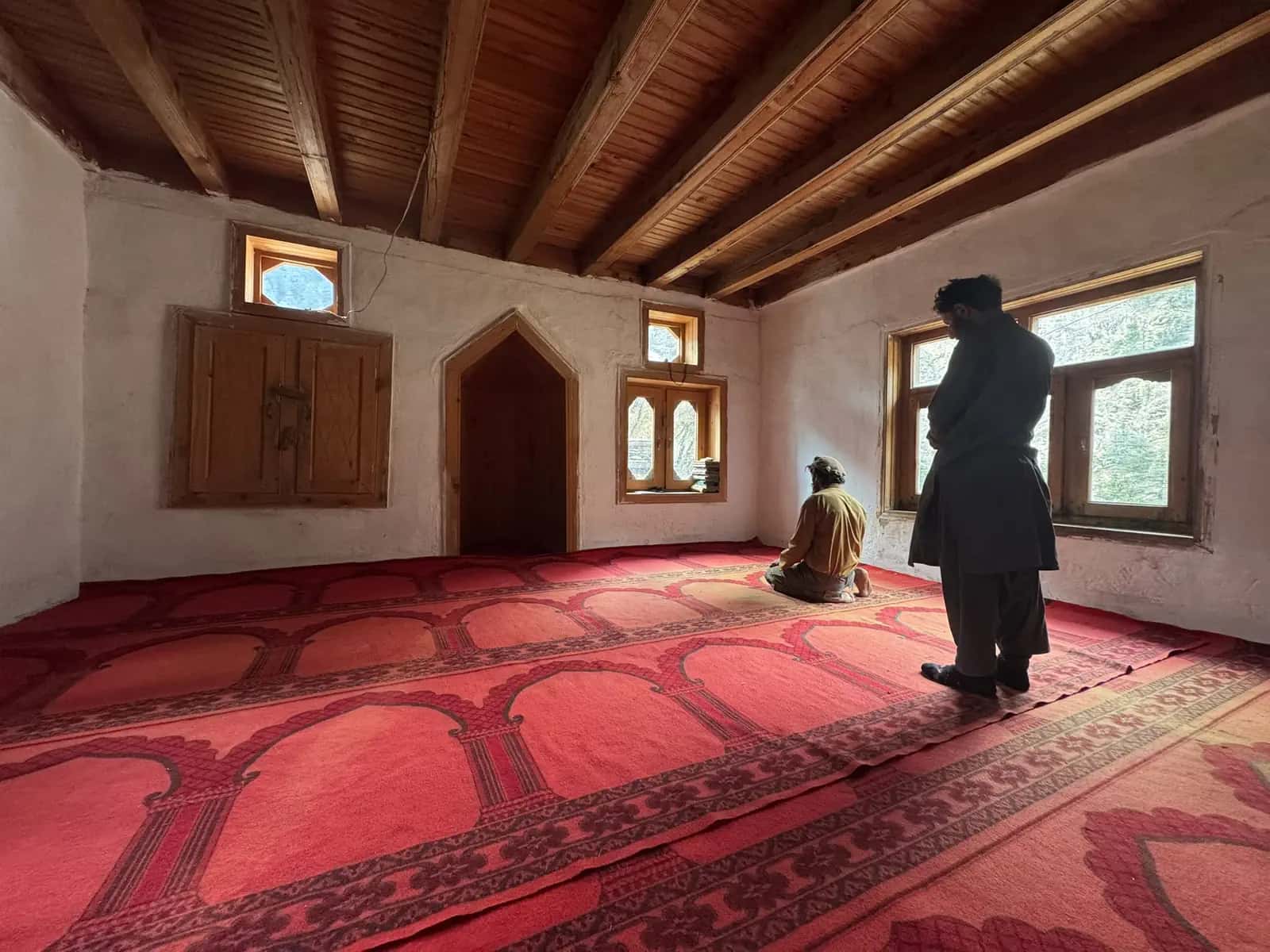
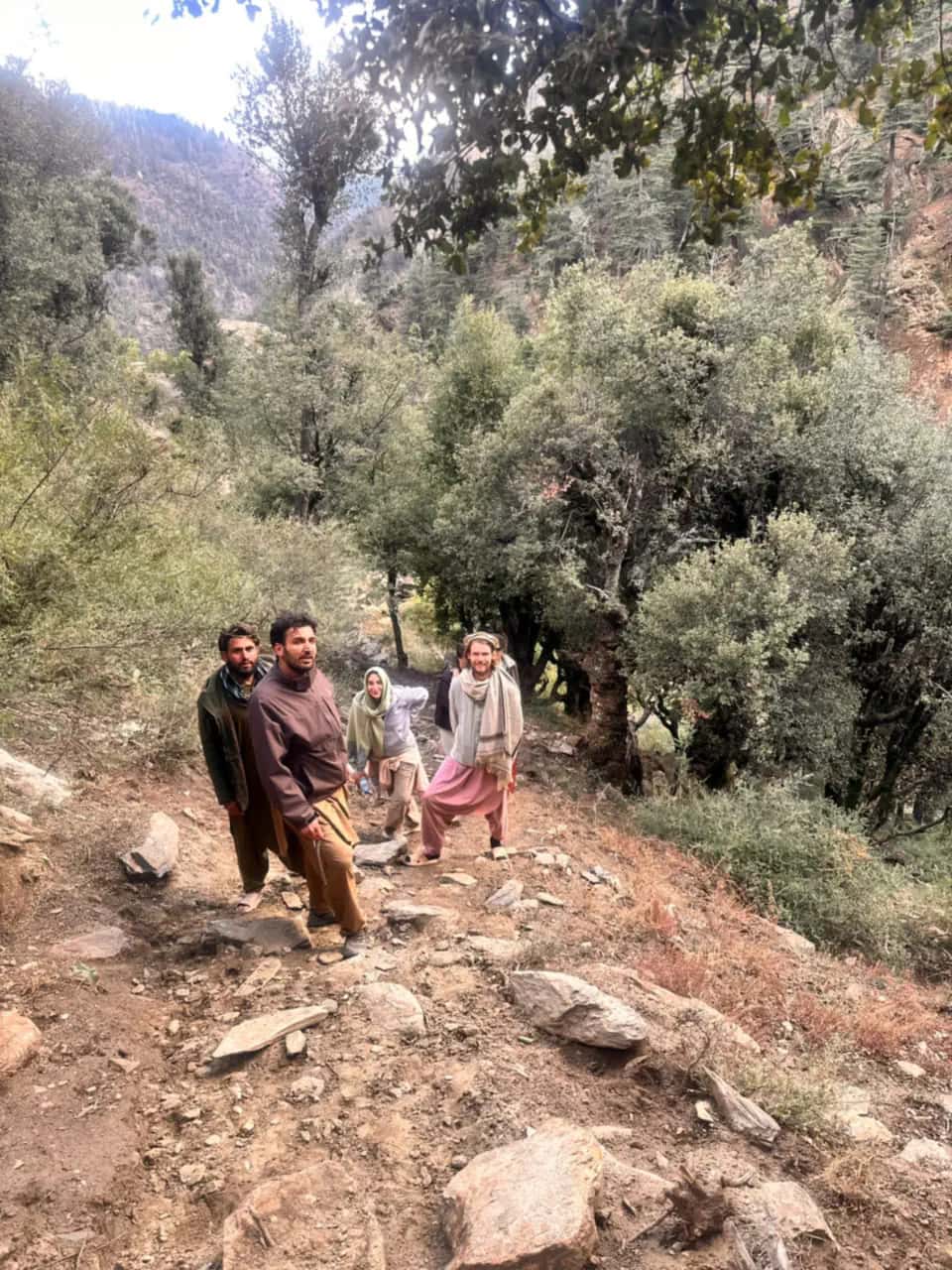
The houses are the old Nuristani kind: stone below, timber above, a veranda on carved posts under carved eaves, and hay stacked on the roof against the winter. A few have the tin roofs that have reached the valley in recent years, and a satellite dish. The mosque is whitewashed inside under a ceiling of cedar beams, with carved shutters on its windows and red rugs on the floor, and it stands above the pool where the cows are brought to drink. From the district centre the road is about thirty minutes by car, unpaved and rough; above the road the valley is walked, on stone paths cut along the slope, past sawn cedar stacked by the stream for the next house.
Everything here belongs to the valley's own families. There are twenty to thirty of them, and all are Chonish.
The tribe, the family and the team
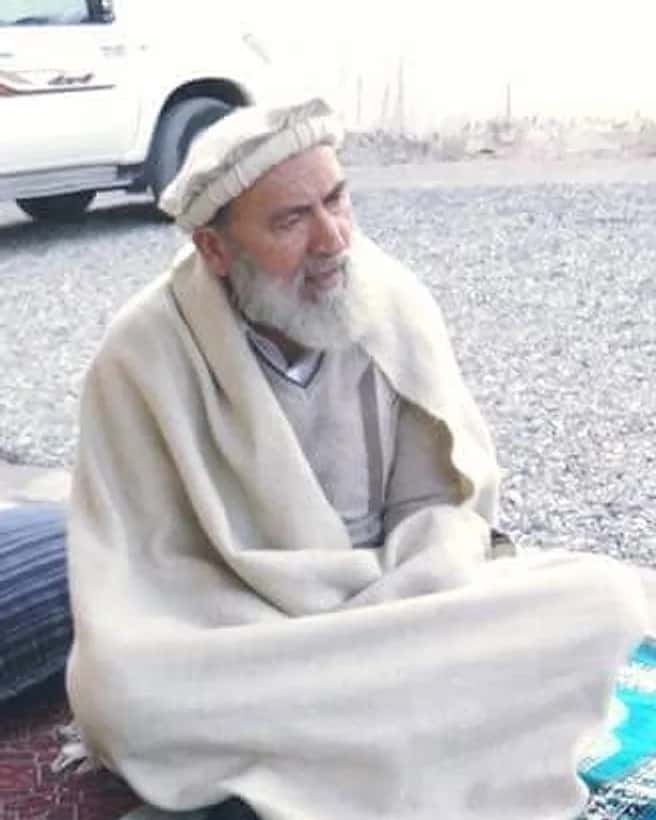
The Chonish are one of the leading tribes of the Waygal valley, with land in Sewketra and elsewhere in the district, and Sewketra is wholly theirs. The valley was the land of Samad Khan Nuristani. It passed to his son Mohammed Omer Nuristani, and then to Engineer Amir Jan Nuristani, who was born in Waygal in 1950, surveyed the gemstones of Nuristan for the government in the 1970s, and was one of the leaders of the Chonish until his death. His story is on our About page.
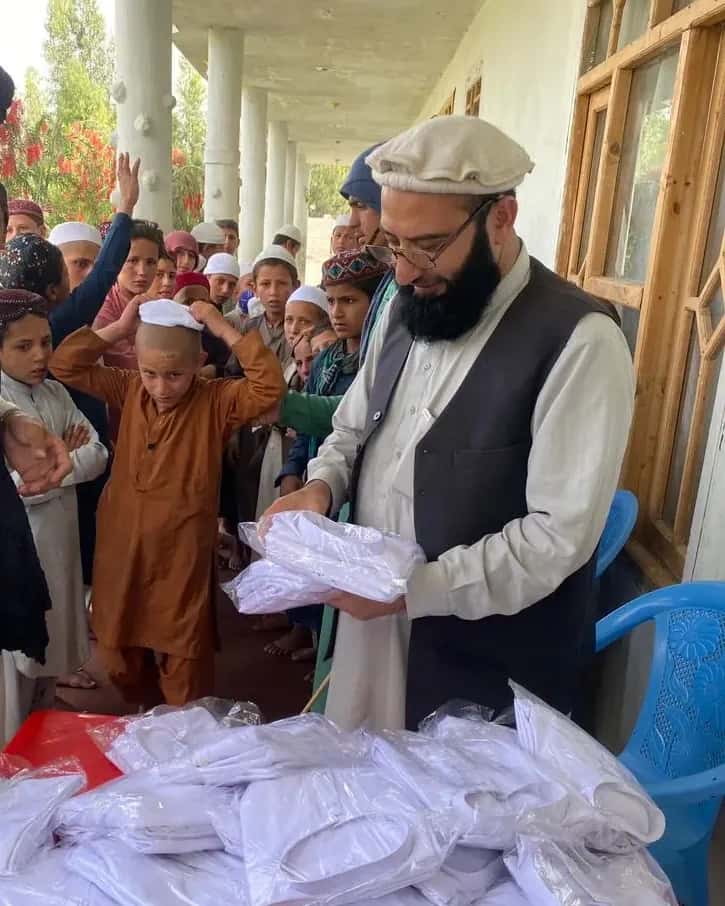
Nuristani is his family's company. Obaid Nuristani, his son, founded it in his memory, and the team is Chonish from Waygal, from Sadiq Amiri, our director of operations in Nuristan, and Zabiullah Amiri, our director, to Abdulrahman Chonish, who guides our visitors, and Ahmed Bilal and Habib Rahman abroad; only our representative in China is not. When one of our pages says a guide is from the valley, this is the valley.
Who owns the ground, and what that means
In Nuristan the mountains, like the fields, have owners. Where a mine is opened on another family's ground, as outsiders do at Mawi in Du Ab, the owner of the mountain takes a share of what is found and the rest goes to those who put up the money. In Sewketra the ground is the families' own, so what comes out of it is theirs, with no owner's share to pay and no middleman between the valley and a buyer.
Aquamarine in the rock, and who it belongs to
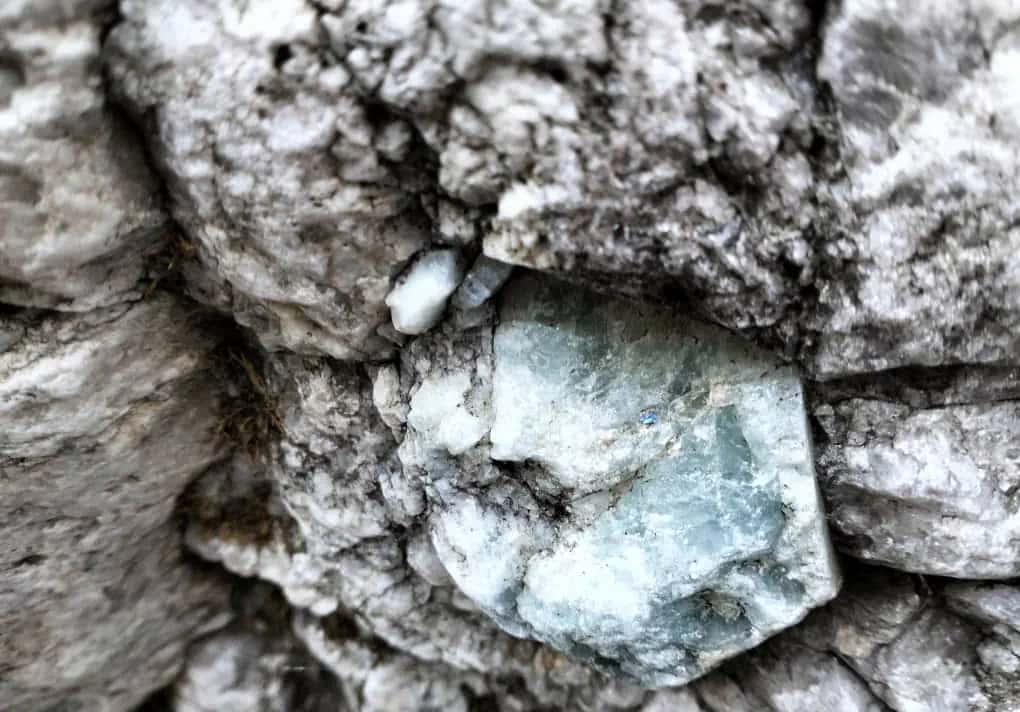
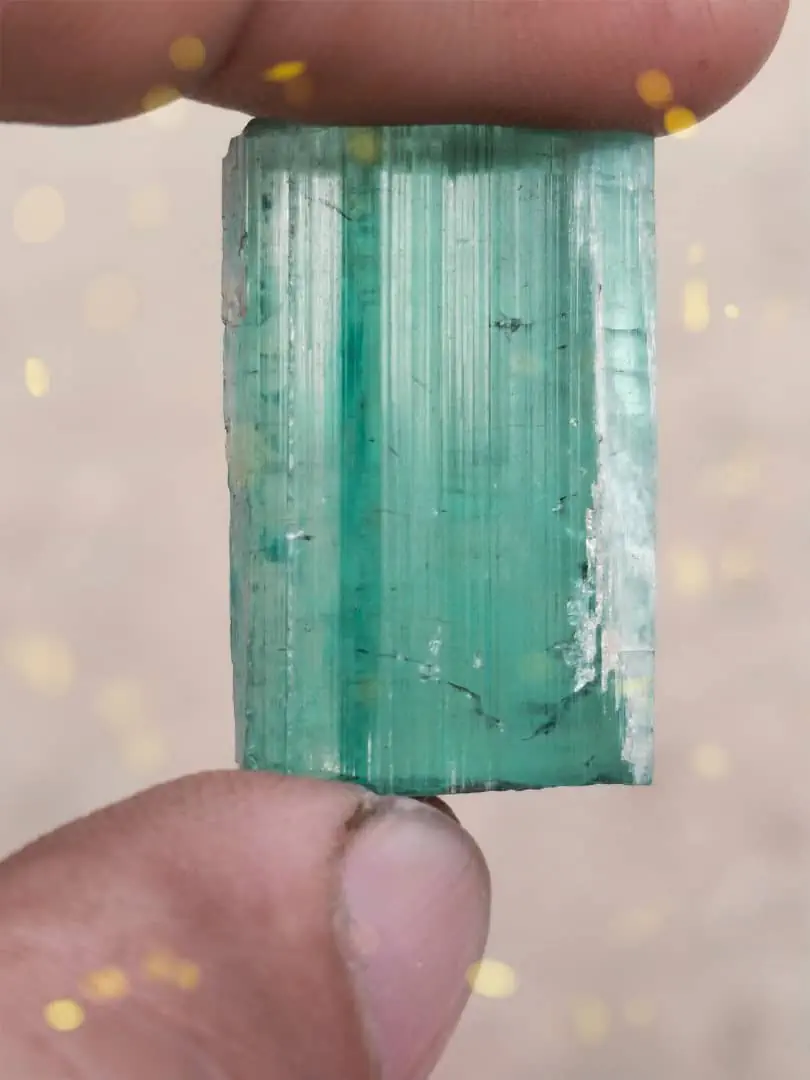
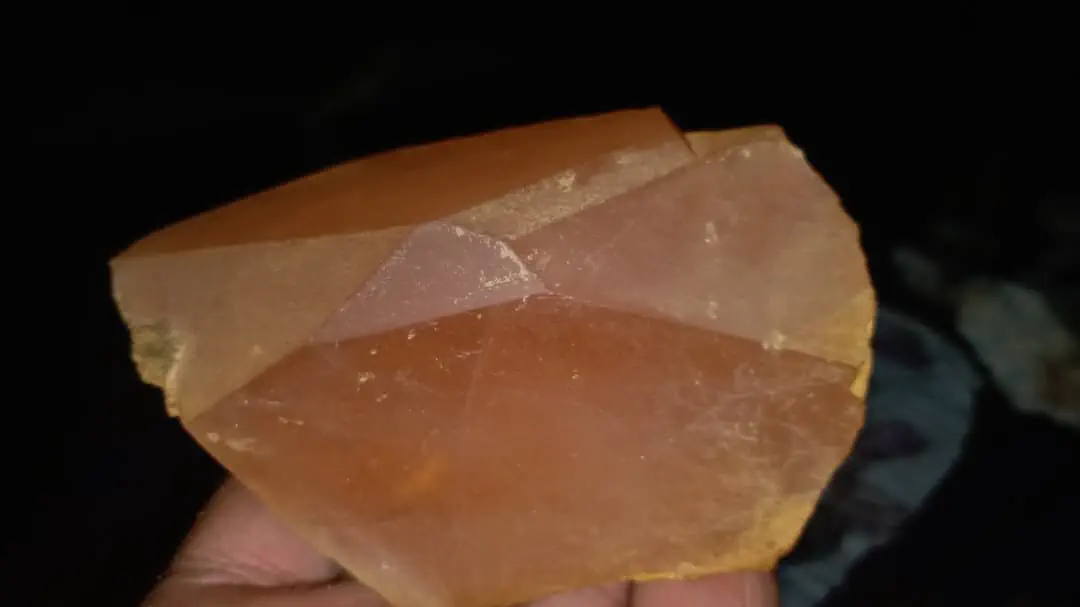
The rock of Sewketra is the same pegmatite that runs through the whole of Nuristan, and it carries beryl and tourmaline. In September 2026 we photographed aquamarine crystals in place in the rock of the valley, pale blue-green in white feldspar, in ground that has never been opened. A blue-green tourmaline crystal and a peach morganite from the same valley are on our tourmaline and morganite pages, and all three are in the gallery.
The gem ground, like the rest of the valley, belongs to the Chonish families, and what working there has been is their own, small and by hand, not a company's and not a concession. Because the ground is the family's, a partner who wanted to open the aquamarine field would deal with us directly. The honest state of knowledge is this: nobody has surveyed it, and what we know is what we have seen in the rock.
Coming to Sewketra as a guest
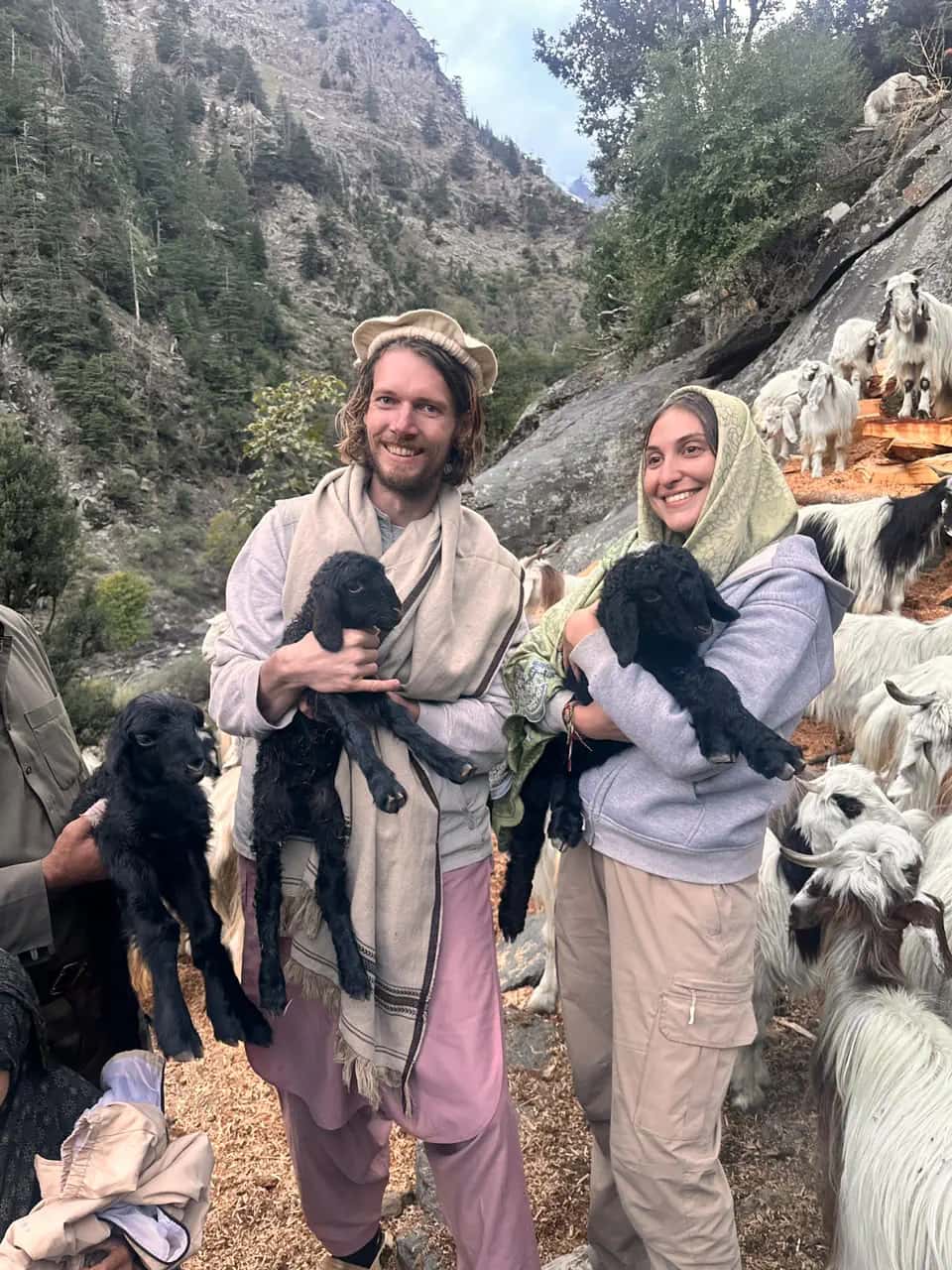
Guests come to Sewketra with us. From the district centre it is half an hour's drive, then a walk up the valley by the stone paths: the terraces, the stream, the houses with their carved verandas, the mosque, the forest above. A couple from the Netherlands who arrived unannounced were met by Abdulrahman Chonish, who happened to be at home, and were walked up the valley, fed, and shown the newborn kids of a Sewketra herd; the photographs are below.
There is no hotel. Guests stay with the family, eat what the family eats, and are given what a guest is given here, which in Nuristan means a goat killed for the table. Autumn, after the maize harvest, is the best season; the road is rough in any season and can close in snow. Read our pages on how to get to Nuristan and whether it is safe before you plan, then write to us: the people who answer are from this valley.
Asked about Sewketra
Where is the Sewketra valley?
Sewketra is a side valley of the Waygal river in Waygal district, southern Nuristan, about thirty minutes by car above the district centre on a rough, unpaved road. Above the road it is walked, on stone paths along the slope. It is one of several side valleys of the Waygal, with Arans and Yinshaw, each with its own families, fields and forest.
Who lives in Sewketra?
Twenty to thirty families, all of the Chonish tribe, who speak Waygali-ala like the rest of the valley. They farm maize on stone-walled terraces, keep goats and cows, and take timber from the cedar forest above the fields. The family of Engineer Amir Jan Nuristani is among them, and so is the team behind this site.
Who owns the Sewketra valley?
Its own families. The valley was the land of Samad Khan Nuristani, passed to his son Mohammed Omer Nuristani and then to Engineer Amir Jan Nuristani, and the Chonish families who live there own the terraces, the forest and the gem ground between them. There is no company, no concession and no outside landlord.
Are there gemstones in Sewketra?
Yes. The valley's rock is pegmatite, and we have photographed aquamarine crystals in place in it, in ground never opened, as well as a blue-green tourmaline and a peach morganite that came out of the same valley. The gem ground belongs to the Chonish families and has only ever been worked by them, in a small way and by hand. Nobody has surveyed it.
Can visitors go to Sewketra?
Yes, with us. Guests are driven up from the district centre and walked through the valley by guides who are from it, and they stay and eat with the family; there is no hotel. Autumn, after the maize harvest, is the best season. Read our pages on getting to Nuristan and on safety first, and write to us to plan it.
Who are the Chonish?
A tribe of the Waygal valley in Nuristan, one of its leading tribes, with land in Sewketra and elsewhere in the district. Sewketra is wholly Chonish. Engineer Amir Jan Nuristani was one of the tribe's leaders, and the Nuristani team, from Sadiq Amiri to the guides, is Chonish from Waygal.
On this site
- Waygal district: the valley, its villages and its carving
- About Nuristani: Engineer Amir Jan and the team
- Afghan aquamarine, with the Sewketra crystals in their rock
- Afghan tourmaline, with the Sewketra crystal in the hand
- Afghan morganite, from the same valley
- The Mawi mine in Du Ab, where the mountains have other owners
- Invest in Nuristan: forests, farmland, minerals
- Tours of Nuristan with guides from the valleys
- How to get to Nuristan
- Is Nuristan safe to visit?
- Nuristani architecture: how the stone and timber houses are built
- Waygali-ala and the other Nuristani languages
Nothing about Sewketra has been published, so this page has no sources beyond the family whose valley it is. The facts were given by Obaid Nuristani, and every photograph is our own, taken in the valley in September and October 2026. The photographs can be licensed for publication; see our photo licensing page.
Plan your Nuristan journey
Ready to plan a visit, source Nuristani products, or discuss an investment? Your message goes to Obaid, who is from Nuristan, and his team in Afghanistan and the UK. We reply to every message.