In shell, raw
Whole nuts in their shells, cleaned and sorted, from the new crop. The form that keeps longest and the one roasters and packers usually want.
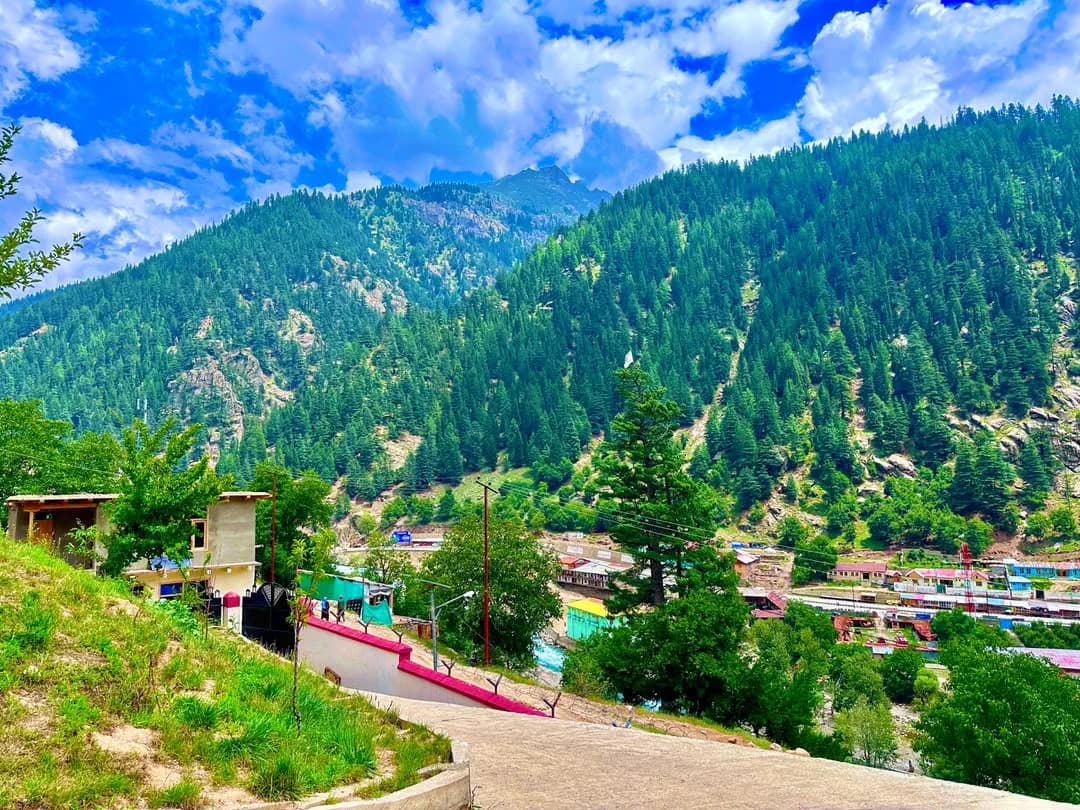
Chilgoza from the mountain forests of eastern Afghanistan, in shell or shelled, from the new crop, sourced to order and documented from Kabul to your warehouse.
The chilgoza pine grows on the dry, sunny slopes of eastern and south-eastern Afghanistan, and every autumn the families who own the forests climb the trees, bring down the cones and shake out the long, slim nuts that Afghans call jalghoza. They are sweeter and richer than the short pine nuts sold in most supermarkets, and China, India and the Gulf buy almost all of them. Very few reach Britain or Europe from the people who gathered them.
We supply Afghan pine nuts wholesale as the exporter at origin. This page is for food importers, wholesalers, specialist grocers and nut roasters who want chilgoza pine nuts in shell or shelled, sourced to order through our team in Kabul and the east, with the lot described before you buy and the export documents in order.
Chilgoza is the nut of Pinus gerardiana, a pine with flaking silver bark that grows only in a few dry mountain valleys of Afghanistan, Pakistan, north-west India and Tibet, between about 1,800 and 3,350 metres. In Afghanistan the forests stand in the east and south-east: Paktia, Khost and Paktika, and north through Nangarhar and Kunar into Nuristan. They are not plantations. Most are owned and managed by villages and tribal councils, which decide when the harvest opens and who may climb.
The cones are cut in autumn before they open, carried down, and left to dry until the scales part and the nuts can be shaken out. Each nut is about two centimetres long in a thin brown shell. Afghans mostly eat them roasted in the shell and crack them at the table; export buyers take them raw in shell, roasted in shell, or shelled as kernels.
The tree is listed as near threatened, and its forests have shrunk by about a third through clearing, grazing and cutting too many cones. That is one reason the nut is dear, and one reason to buy from people who can tell you which valley a lot came from.
Afghanistan's pine nut exports were worth 72 million US dollars in the first seven months of the Afghan year 1405, which began in March 2026, up 69 per cent on the year before, by the count of the Afghanistan Chamber of Commerce and Investment. China is the main buyer, served by a direct air route from Kabul. Britain and Europe mostly meet Afghan pine nuts in small bags in Afghan and Persian grocers, at shop prices.
Whole nuts in their shells, cleaned and sorted, from the new crop. The form that keeps longest and the one roasters and packers usually want.
Roasted in the shell the Afghan way, ready to crack and eat. Sold to grocers and to buyers who pack them for retail.
The ivory kernel with the shell removed, for kitchens, confectioners and retail packs. Dearer per kilogram, because the shell is much of the weight and the shelling is done by hand or small machine.
Every lot we offer states the crop year, the form, the share of broken and empty nuts, and the moisture. Pine nuts are rich in oil and turn rancid if they are kept warm or kept too long, so the crop year matters more than anything else: we quote new-crop nuts and say so in writing.
If you buy to a written standard, send it. Tell us the form, the size, the most broken or empty nuts you accept and any laboratory tests you need, and we source the lot to that standard, send photographs with a ruler and a scale, and a sample by courier if you want one.
Published benchmarks with their dates, given as ranges because the price is never one figure. We quote per lot.
| Item | Price or figure | Source |
|---|---|---|
| Pine nut kernels, world wholesale price, four weeks to mid November 2026 | About 60 to 80 US dollars a kilogram, all species | Tridge, read 16 November 2026 |
| Pine nut kernels, world wholesale price, 2024 | About 50 to 115 US dollars a kilogram, all species | Tridge |
| Chilgoza at Indian dealers, June to October 2026 | About 3,000 to 6,000 rupees a kilogram | IndiaMART dealer listings for Delhi, Ahmedabad and Hyderabad |
| Afghan pine nuts in British shops, shelled, November 2026 | About 47 to 65 pounds a kilogram | UK retail listings, read 16 November 2026 |
| Afghanistan's pine nut exports, first seven months of 1405 | 72 million US dollars, up 69 per cent | Afghanistan Chamber of Commerce and Investment, via Ariana News |
Pine nuts are priced by the kilogram, by form and by crop, and there is never one price. A heavy cone year brings it down and a poor one sends it up, and what Chinese buyers pay in Kabul in the weeks after the harvest sets the level for everyone else. We quote per kilogram for the form you want once we know the quantity and the season, with our terms written on the quote.
For prices at every step of the chain, from the collector to the shop shelf, read what chilgoza pine nuts cost per kilogram, and why.
Afghan nuts enter the United Kingdom and the European Union under ordinary food law. Afghanistan is not on the lists of countries whose produce faces increased official controls at the border, in Great Britain's version of the regulation revised to January 2026 or in the European Union's of July 2025. Afghanistan has duty-free access to Britain under the Developing Countries Trading Scheme and to the Union under Everything But Arms, so pine nuts, which fall under tariff heading 0802, carry no duty.
The paperwork is a commercial invoice and packing list and a certificate of origin from the Afghanistan Chamber of Commerce and Investment, with a phytosanitary certificate where your country asks for one and a laboratory report where you want one, for moisture, rancidity or aflatoxins. We supply as the exporter in Afghanistan; the buyer, or an importer of your choosing, is the importer of record, registered as a food business in your country, and declares the goods on arrival.
We ship by air from Kabul. Shelled kernels and trial lots suit air cargo well. Nuts in shell are bulkier, so for larger lots we agree the route with you before quoting.
Tell us the form, the quantity and the timing you want, and the country you import into.
We source the lot from the new crop, and send photographs with a ruler and a scale, plus a sample by courier if you want one.
A written quote per kilogram, with our terms, the documents included, and the shipping and insurance set out.
A laboratory report at your request, at cost.
Payment in whatever way suits you, always made before shipment.
Export documents, air cargo from Kabul, and your importer clears the goods. An acceptance window is agreed before shipment.
We do not call Afghan pine nuts organic unless a recognised control body has certified the lot, and none has certified ours. They are gathered from wild forest, and we describe them that way. We do not make health claims for them, and we do not sell last year's crop as new.
Chilgoza is the nut of Pinus gerardiana, a pine of the dry mountain valleys of Afghanistan, Pakistan and north-west India. The nuts are long and slim, about two centimetres, with a thin shell and a sweet, rich kernel. In Afghanistan they are called jalghoza.
From wild chilgoza forests in the east and south-east of the country: Paktia, Khost and Paktika, and Nangarhar, Kunar and Nuristan, at about 1,800 to 3,350 metres. The forests are mostly owned and managed by villages and tribal councils.
Both, to order: raw in shell, roasted in shell, and shelled kernels. Tell us the form and the quantity and we source the lot from the new crop.
It changes with the crop and the form. As a guide, pine nut kernels of all species traded at about 60 to 80 US dollars a kilogram on the world wholesale market in November 2026, and shelled Afghan pine nuts sell in British shops at about 47 to 65 pounds a kilogram. We quote per lot.
Yes. Afghanistan is not on the lists of countries whose produce faces increased border controls in Britain or the European Union, and nuts from Afghanistan carry no import duty under either preference scheme. The importer must be a registered food business.
The bitter taste called pine mouth has been linked mainly to raw nuts of a different species, Pinus armandii, mostly from China. Chilgoza is Pinus gerardiana. We make no health claim beyond naming the species we sell.
Yes. We send photographs of the actual lot with a ruler and a scale, and a sample by courier if you want one. A first order can be a small trial lot sent by air.
None fixed. Lot sizes are agreed per order, depending on the form and what the season's crop allows.
Related: wholesale from Afghanistan, dried morels wholesale, the forests of Nuristan, wholesale gemstones.
Tell us the product, the quantity and the country you import into. Your message goes to Obaid and his team in Afghanistan and the UK, and we reply to every message with what we can supply.