Chilgoza, the long pine nut of Afghanistan and its neighbours, sells for about 3,000 to 6,000 rupees a kilogram in India and about 47 to 65 pounds a kilogram shelled in Britain. These are the 2026 prices at each step, with their sources, and the reasons the nut costs what it does.
Chilgoza pine nuts cost about 3,000 to 6,000 rupees a kilogram at Indian dealers in 2026, and about 47 to 65 pounds a kilogram shelled in British shops. In the world wholesale trade, pine nut kernels of all kinds change hands at about 60 to 80 US dollars a kilogram. The price depends on the year's crop, whether the nuts are in shell or shelled, and how many hands they have passed through.
We are from Nuristan, in eastern Afghanistan, one of the provinces where the chilgoza pine grows, and we supply Afghan pine nuts to importers. This guide sets out the prices step by step, says where each figure comes from, and explains what the nut is and why it is dear.
What chilgoza is, and what it is called in English
Chilgoza is a pine nut. In English it is called the chilgoza pine nut, after the chilgoza pine, Pinus gerardiana. Chilgoza is the Urdu and Hindi name. In Afghanistan the same nut is called jalghoza, in Dari and in Pashto.
It is easy to tell from other pine nuts. The nut is long and slim, about two centimetres, in a thin brown shell, where the Chinese and Mediterranean nuts sold in most supermarkets are short and plump. The kernel is ivory, soft and noticeably sweet. In Afghanistan it is mostly roasted in the shell and cracked at the table with tea.
Chilgoza price per kg in 2026, step by step
At origin
Prices paid in the forest provinces and in the Kabul market are not published in any reliable form, and they change week by week in the season, so we do not give one. One Pakistani exporter's 2026 buyer guide puts in-shell chilgoza at about 18 to 32 US dollars a kilogram, free on board at Karachi. It is a single commercial source and we cannot check it.
Wholesale
- World wholesale price of pine nut kernels over the four weeks to mid November 2026: about 60 to 80 US dollars a kilogram (Tridge, read 16 November 2026). This covers every species, and chilgoza sits towards the top.
- World wholesale price in 2024: about 50 to 115 US dollars a kilogram, up from about 35 to 95 in 2023 (Tridge).
- Indian dealers, June to October 2026: about 3,000 to 6,000 rupees a kilogram, lower in Ahmedabad and higher in Delhi (IndiaMART dealer listings).
In the shop
- Britain, shelled Afghan pine nuts by the kilogram: about 47 to 65 pounds (UK retail listings, read 16 November 2026).
- Britain, small packs: more per kilogram. Roasted nuts in shell at about 7 to 8 pounds for 150 grams come to about 50 pounds a kilogram with the shell on.
- India: the dealer range above is close to what shoppers pay for loose nuts, and branded packs cost more.
Why chilgoza pine nuts are so expensive
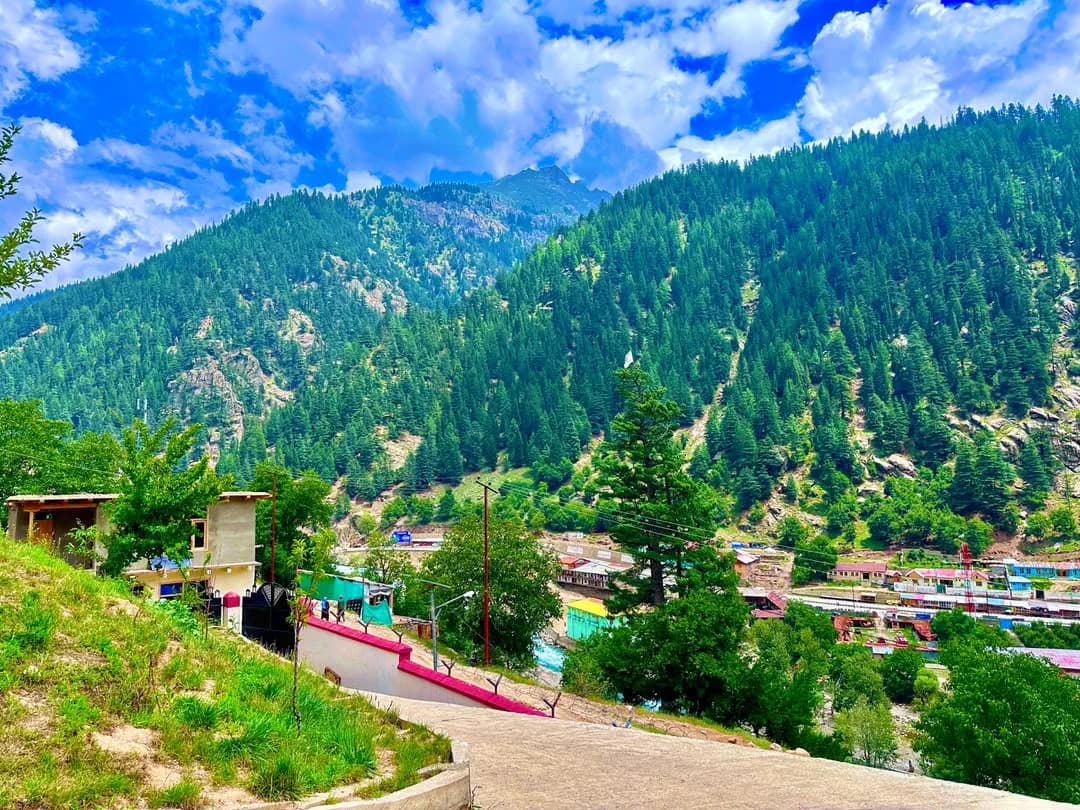
The chilgoza pine grows in only a few dry mountain valleys of Afghanistan, Pakistan, north-west India and Tibet, between about 1,800 and 3,350 metres. Nobody farms it at scale. The nuts come from wild forest, most of it owned by villages and tribal councils.
The harvest is slow and dangerous work. Men climb tall trees in autumn to cut the cones before they open, carry them down, dry them until the scales part, and shake out the nuts. A cone holds only a handful, and the shell is a large part of the weight, so a kilogram of kernels is a great many cones.
The crop is uneven from year to year, and the forest itself is shrinking. The tree is listed as near threatened, and its forests have declined by about a third. Against that, demand has grown. China buys most of Afghanistan's crop and flies it out of Kabul, and that buying sets the price for everyone else.
What changes the price of a kilogram
- In shell or shelled. Kernels cost more per kilogram than nuts in shell, because the shell is weight and the shelling is labour.
- Raw or roasted. Roasted in shell is the Afghan way of eating them and carries a small premium for the work.
- Crop year. Pine nuts are rich in oil and turn rancid with age and warmth. New-crop nuts are worth more, and old stock should be cheap.
- Size and soundness. Long, full nuts with few broken or empty shells fetch the top of the range.
- The number of hands. A lot bought from the exporter at origin has passed through fewer margins than a bag bought in a shop abroad.
Afghan chilgoza, and where it goes
In Afghanistan the chilgoza forests stand in the east and south-east: Paktia, Khost and Paktika, and north through Nangarhar and Kunar into Nuristan. Afghanistan's pine nut exports were worth 72 million US dollars in the first seven months of the Afghan year that began in March 2026, up 69 per cent on the year before, by the count of the Afghanistan Chamber of Commerce and Investment.
China is the main buyer, and a direct air route from Kabul carries the crop there. India and Pakistan take much of the rest. Britain and Europe see Afghan pine nuts mostly in small bags in Afghan and Persian grocers.
How to tell good chilgoza
- The shells are clean, brown and whole, and the nuts feel heavy for their size. Light nuts are empty.
- The kernel is ivory to pale cream. Yellow or grey kernels are old.
- The smell is fresh and resinous. Any smell of paint or old oil means the nuts are rancid.
- The taste is sweet and soft, with no bitterness.
- The seller can tell you the crop year and the province.
Questions people ask
What is the price of chilgoza per kg?
In 2026 chilgoza sells at about 3,000 to 6,000 rupees a kilogram at Indian dealers and about 47 to 65 pounds a kilogram shelled in British shops. Pine nut kernels of all species trade wholesale at about 60 to 80 US dollars a kilogram.
What is chilgoza called in English?
The chilgoza pine nut. It is the seed of the chilgoza pine, Pinus gerardiana. In Afghanistan it is called jalghoza.
Why are chilgoza pine nuts so expensive?
Because they come from wild mountain forest in only a few valleys, are harvested by climbing the trees by hand, and yield few kernels for the weight of cones. The crop varies from year to year, the forests are shrinking, and China buys most of what Afghanistan gathers.
What is jalghoza?
Jalghoza is the Dari and Pashto name for the chilgoza pine nut, the long, sweet pine nut of eastern Afghanistan.
Where does chilgoza grow in Afghanistan?
In the east and south-east: Paktia, Khost and Paktika, and Nangarhar, Kunar and Nuristan, at about 1,800 to 3,350 metres.
How is chilgoza different from other pine nuts?
It is longer and slimmer than the Chinese and Mediterranean pine nuts sold in most supermarkets, with a thin shell and a sweeter, softer kernel. It comes from a different species of pine.
Which country buys the most Afghan pine nuts?
China, which takes most of the crop by air from Kabul. India and Pakistan are the other large markets.
Sources
- Tridge: raw pine nuts, global wholesale price ranges (read 16 November 2026)
- IndiaMART: pine nut dealer listings, Delhi (June to October 2026)
- IndiaMART: pine nut dealer listings, Ahmedabad
- Kehkashan: Pakistani chilgoza pine nuts buyer guide 2026 (a single exporter's figures)
- Tanho, UK: Afghani pine nuts, 500 grams and one kilogram (read 16 November 2026)
- Ariana News, 2 November 2026: Afghanistan's pine nut exports increase by 69 per cent
- Wikipedia: Pinus gerardiana, range, altitude, seed size and conservation status
- Data in Brief, 2018: ecological associations and stand structure of chilgoza pine in Afghanistan