The pakol is the soft, flat, rolled-brim wool cap of Nuristan, Chitral and the eastern Hindu Kush, and since the 1980s a symbol of Afghanistan itself. Where it comes from, how it is made, how to wear it and how to tell a handmade one from a factory copy.
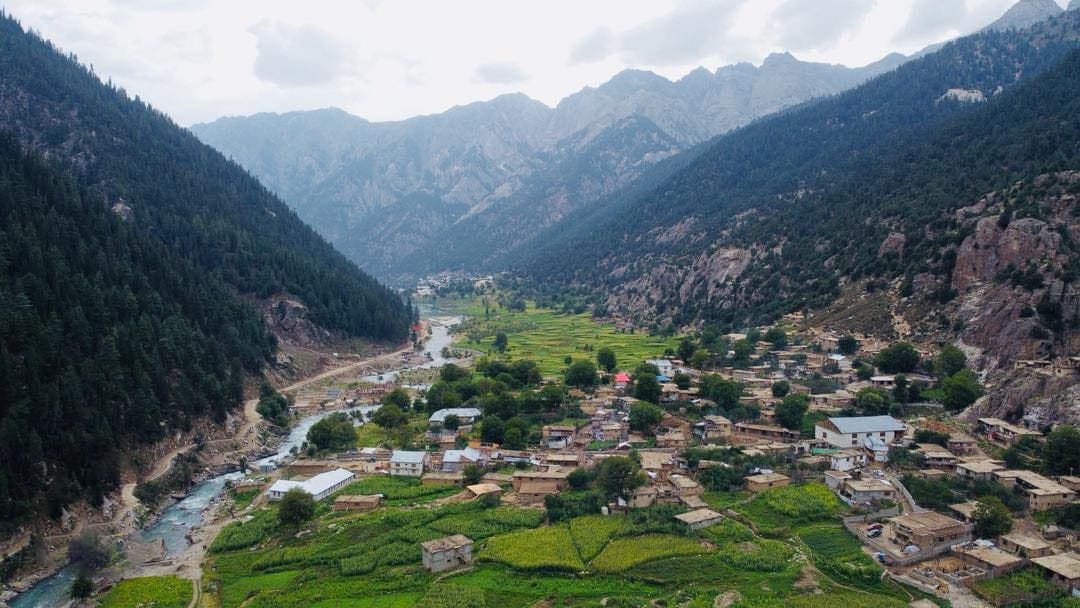
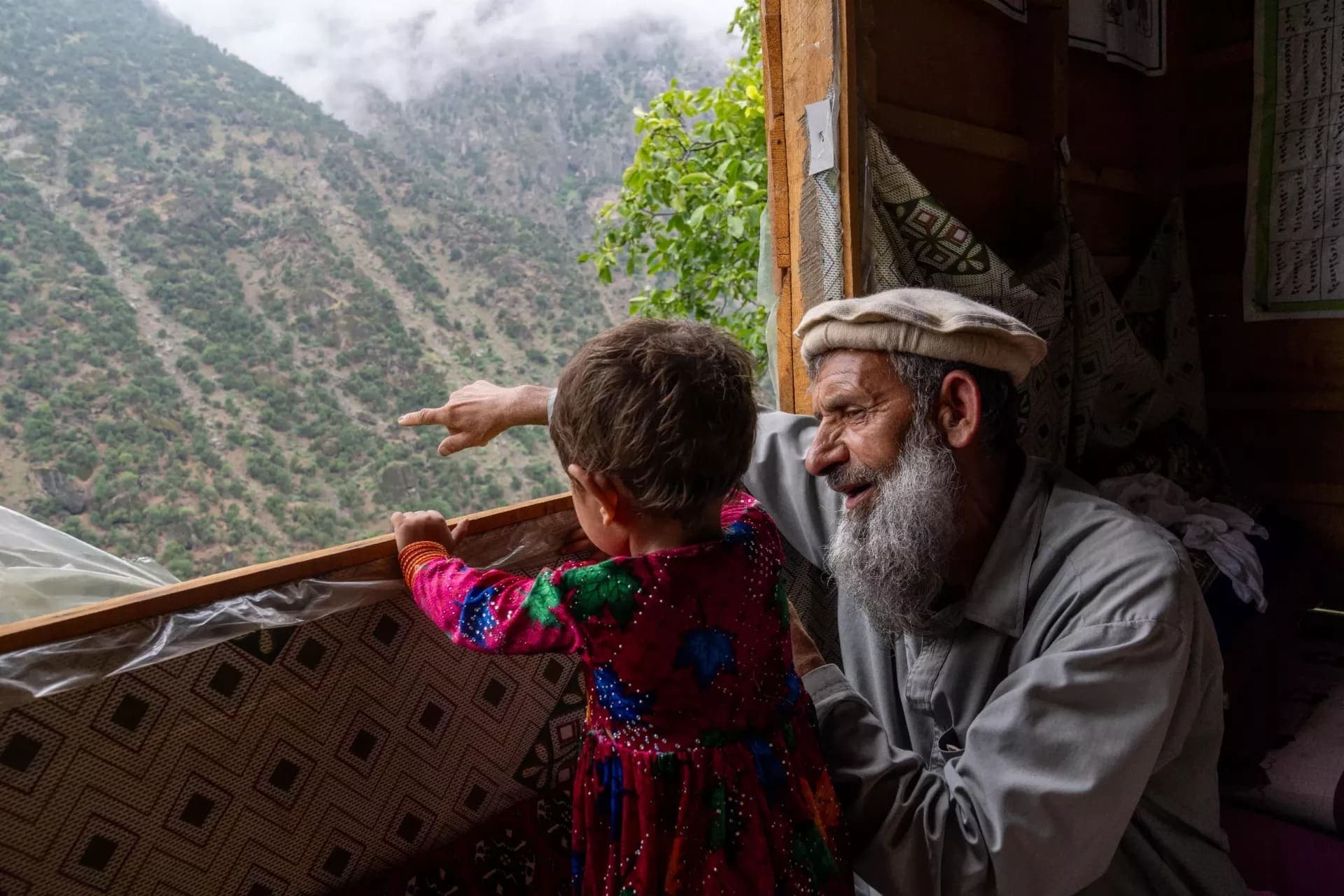
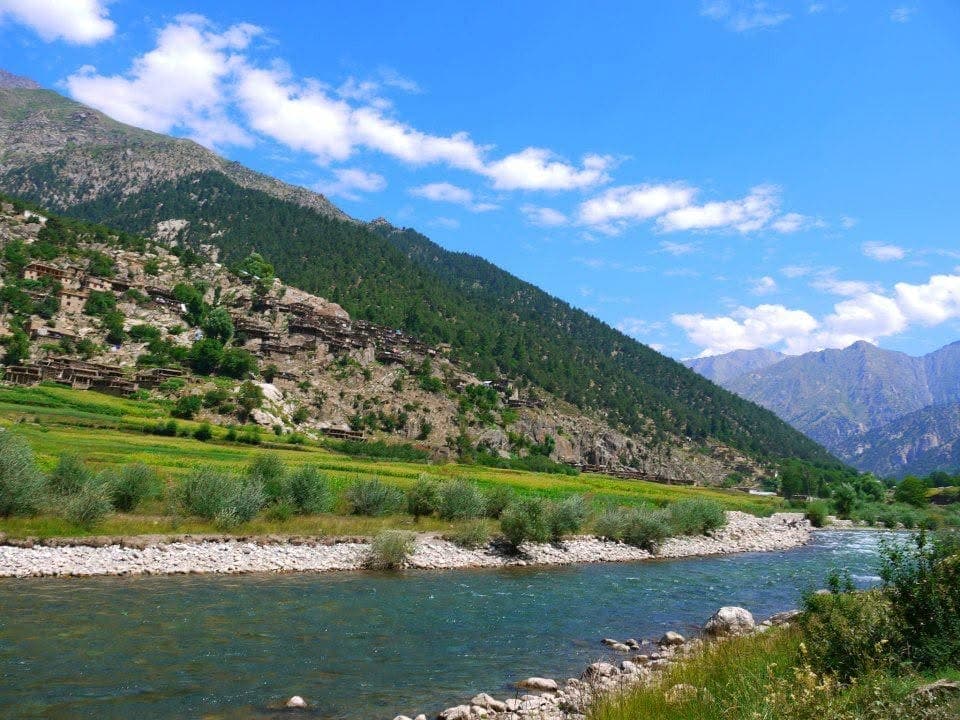
Few pieces of clothing say Afghanistan as clearly as the pakol. The soft wool cap with the flat top and the thick rolled brim sits on the heads of shepherds in Nuristan, traders in Chitral, elders in Panjshir and students in Kabul, and it has been photographed on enough famous faces to be recognised around the world. Yet it is a mountain hat before it is a national one, and its story starts in the valleys of the eastern Hindu Kush.
What a pakol is
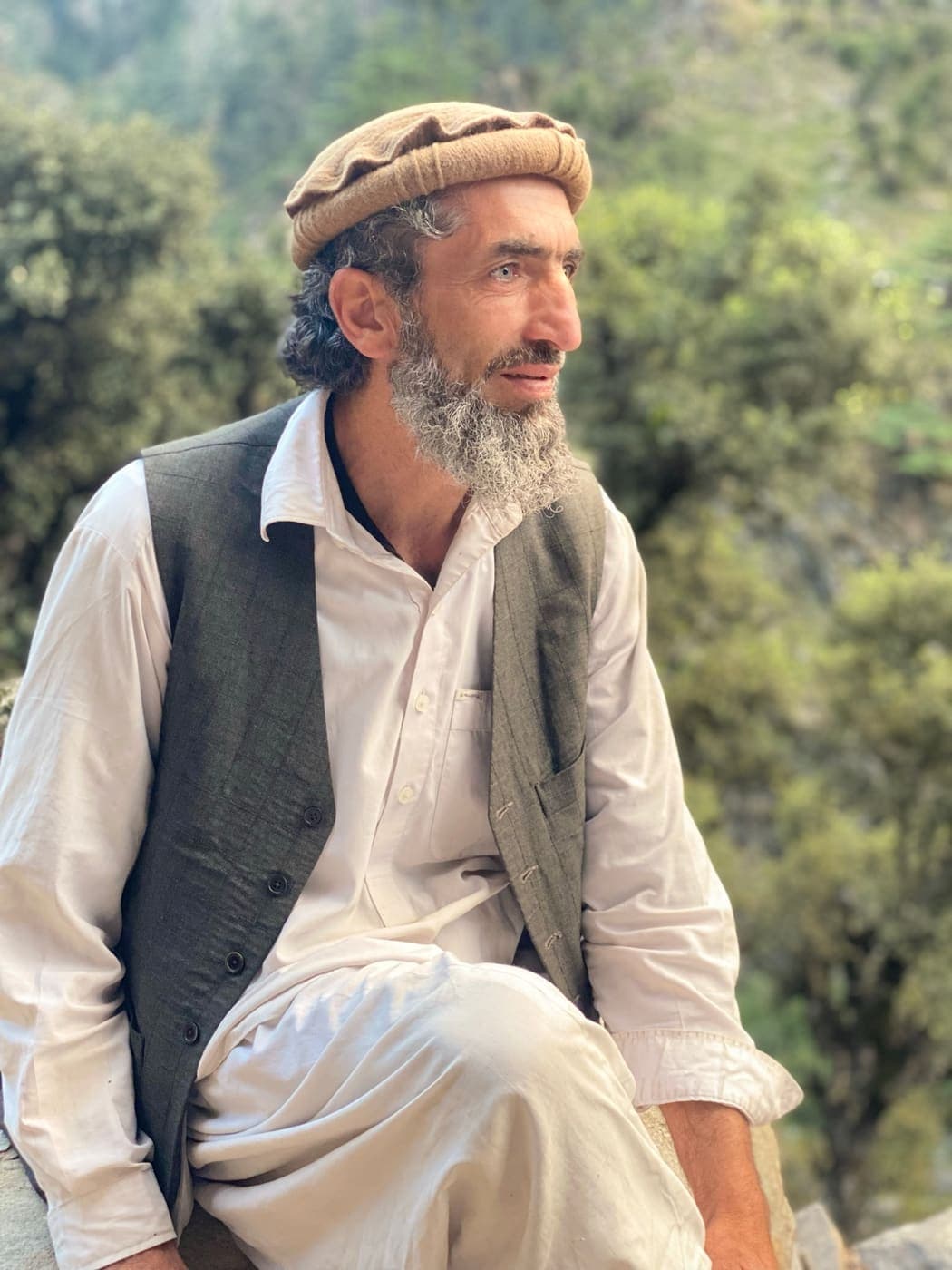
A pakol is made from a tube of thick woollen cloth. One end is gathered and stitched to a flat, round crown; the other is rolled up on itself, several turns, to form the brim. The roll gives the cap its weight and warmth, and it can be let down in bad weather to cover the ears and the back of the neck, which is what a mountain hat is for. A cord inside the base adjusts the fit. Traditional colours are the colours of sheep: white, cream, fawn, brown, grey and black, though dyed versions exist.
Where it comes from
The pakol's home is the far north of Pakistan, in Chitral and Gilgit, and the word itself comes from the languages of those valleys, Khowar and Shina. From there it spread through the whole eastern Hindu Kush, into Dir, Swat and Kunar, and into Nuristan.
In Nuristan the hat arrived at a precise moment. Until the 1890s the men of Kafiristan wore their hair in a distinctive style and went largely bareheaded. After the conquest and conversion of 1895 to 1896 the valleys opened to trade with Chitral, the old hairstyles were given up, and men began to cover their heads. The Chitrali cap was what came over the passes, and within a generation it was Nuristani. Today Nuristanis wear it as their own, and the Nuristani pakol and the Chitrali cap are one hat under two names.
You will read that the pakol descends from the kausia, the flat cap of Alexander the Great's Macedonians, who crossed these mountains in the 320s BC. The idea is attractive, and the historian Willem Vogelsang, who has studied the question most closely, rejects it: the flat crown that makes a pakol a pakol is a recent development, not something a Macedonian soldier could have left behind. The hat belongs to a wide family of soft caps worn across the borderlands of Central Asia, India and China, and its immediate ancestor is local.
From the valleys to the nation
The pakol became a national symbol in the 1980s, when it was the hat of the mujahideen fighting the Soviet army. Ahmad Shah Massoud, the commander of the Panjshir valley, wore one in almost every photograph taken of him, and the cap became shorthand for the resistance. Since then it has been worn across ethnic lines, by Tajiks, Nuristanis, Pashtuns of the east and anyone else who wants a warm hat, and it has been adopted abroad as a symbol of Afghanistan by people who have never seen the Hindu Kush.
How a pakol is made
A good pakol starts with wool from local sheep, spun by hand and woven on a narrow loom into the dense cloth known in Chitral as patti. The cloth is cut and sewn into a cylinder, the crown is stitched on, and the base is rolled by hand, turn over turn, until the brim is the right depth. Because the cloth is thick and the roll is tight, a handmade pakol holds its shape, keeps out wind and can last for many years. Some are made from felted rather than woven wool, and cheaper versions are machine-knitted from wool blends or acrylic.
How to wear it
- Set it on the crown of the head, not pulled down. The rolled brim rests above the ears.
- Adjust the depth of the roll to suit your head. A taller roll sits higher and looks smarter; a lower roll is warmer.
- In cold or rain, unroll one or two turns and pull the sides down over the ears and neck. Roll it back up when the weather clears.
- Tilt is a matter of taste. Nuristanis often wear it pushed slightly back; in Kabul it sits flatter.
Telling a handmade pakol from a factory one
- Feel the cloth. Handwoven patti is dense, slightly uneven and faintly greasy with lanolin. Machine cloth is uniform, light and often shiny.
- Look at the roll. A hand-rolled brim is firm and keeps its shape when you set the hat down; a loose, springy brim points to a knitted copy.
- Check the inside for the cord and for hand stitching around the crown.
- Weigh it. A real pakol has heft. A hat that weighs almost nothing is not made of wool.
Caring for a pakol
Hand wash in lukewarm water with a mild wool soap, squeeze without wringing, and dry flat away from direct heat. Re-roll the brim while the wool is still slightly damp so it sets in shape. Kept dry between wearings, a pakol will outlast most of the clothes you own.
Is the pakol a religious symbol?
No. It is a cultural garment, not a religious one. It was worn by the Kalash of Chitral, who follow their old religion, before it was worn by Muslims in Nuristan, and it carries no religious meaning for either. Its associations today are with the mountains, with hospitality and, since the 1980s, with the idea of Afghanistan.
Sources