Afghanistan has real winters and hot summers, and the right month depends on where you are going. Average temperatures for six places and rainfall for five, month by month (measured for the cities, modelled for Bamiyan), when the high roads close, when Ramadan falls in 2027, and the months we would choose ourselves.
Afghanistan is a country of high mountains and low plains, and May averages 24°C by day in Kabul and 35°C in Jalalabad. So the best time to visit depends on where you are going. We arrange trips across the country and take guests into Nuristan, and this is how we think about the calendar, with the measured figures behind it.
The short answer
- Late spring (May) and autumn (September and October) suit most trips. April is warm on the plains but is Kabul's wettest month, and the high roads may still be blocked by snow.
- Summer is hot on the plains of Herat, Mazar, Kandahar and Jalalabad, with July highs near 40°C, but it is the best season for Bamiyan; in Nuristan, June and September are steadier than July and August.
- Winter is cold in Kabul and freezing in Bamiyan. The Salang pass closes for spells every year and Nuristan's high valleys are often cut off, but Jalalabad and Kandahar stay mild.
- Ramadan is expected from about 8 February to 9 March 2027, so a spring trip in 2027 falls after it.
- We arrange trips in the cities all year, and in Nuristan from April to October.
Afghanistan weather by month
The table gives the average daytime high and night-time low for each month. The figures for the five cities are the measured averages that NOAA publishes from the Afghan weather stations from various years between 1956 and 1964 to 1983, the longest published run of measured monthly averages we could find. Bamiyan had no station in that record, so its figures are modelled, from a weather reanalysis for 1991 to 2020.
| Month | Kabul | Herat | Mazar-i-Sharif | Kandahar | Jalalabad | Bamiyan |
|---|---|---|---|---|---|---|
| January | 5 / -7 | 9 / -3 | 8 / -2 | 12 / 0 | 16 / 3 | -4 / -12 |
| February | 6 / -6 | 12 / -1 | 11 / 0 | 15 / 2 | 18 / 6 | -3 / -10 |
| March | 13 / 1 | 18 / 4 | 16 / 5 | 22 / 7 | 23 / 11 | 2 / -5 |
| April | 19 / 6 | 24 / 9 | 24 / 11 | 28 / 12 | 28 / 15 | 10 / 1 |
| May | 24 / 9 | 30 / 13 | 31 / 17 | 34 / 16 | 35 / 20 | 18 / 7 |
| June | 30 / 12 | 35 / 18 | 37 / 23 | 39 / 20 | 40 / 25 | 22 / 11 |
| July | 32 / 15 | 37 / 21 | 39 / 26 | 40 / 23 | 39 / 27 | 25 / 13 |
| August | 32 / 14 | 35 / 19 | 37 / 24 | 38 / 20 | 38 / 26 | 25 / 13 |
| September | 29 / 9 | 31 / 13 | 32 / 17 | 34 / 14 | 35 / 21 | 22 / 10 |
| October | 22 / 4 | 25 / 7 | 25 / 9 | 28 / 9 | 31 / 14 | 15 / 5 |
| November | 15 / -1 | 18 / 1 | 16 / 3 | 21 / 3 | 23 / 7 | 7 / -2 |
| December | 8 / -5 | 12 / -1 | 11 / 0 | 15 / 1 | 18 / 4 | 0 / -9 |
High / low, rounded. Kabul 1,791 m, Herat 964 m, Mazar-i-Sharif 378 m, Kandahar 1,010 m and Jalalabad 580 m: WMO station normals published by NOAA, measured from various years between 1956 and 1964 (by station) to 1983. Bamiyan, about 2,500 m: modelled, ERA5 reanalysis 1991 to 2020 through Open-Meteo.
| Month | Kabul | Herat | Mazar-i-Sharif | Kandahar | Jalalabad |
|---|---|---|---|---|---|
| January | 34 | 52 | 29 | 54 | 18 |
| February | 60 | 45 | 35 | 42 | 24 |
| March | 68 | 55 | 44 | 41 | 39 |
| April | 72 | 29 | 28 | 19 | 36 |
| May | 23 | 10 | 11 | 2 | 16 |
| June | 1 | 0 | 0 | 0 | 1 |
| July | 6 | 0 | 0 | 2 | 7 |
| August | 2 | 0 | 0 | 1 | 8 |
| September | 2 | 0 | 0 | 0 | 8 |
| October | 4 | 2 | 4 | 2 | 3 |
| November | 19 | 11 | 14 | 7 | 8 |
| December | 22 | 36 | 22 | 20 | 12 |
Measured station normals published by NOAA, from various years between 1956 and 1964 (by station) to 1983. Precipitation counts rain and melted snow together.
Spring: March to May
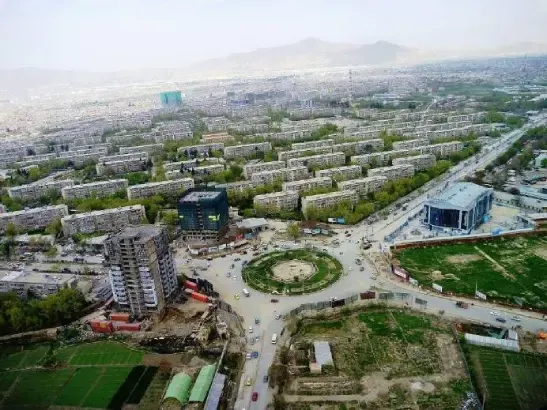
Late winter and spring are the wet season. Kabul gets most of its year's rain and snow between January and April, and March and April are its wettest months, at about 70 millimetres each. Days warm quickly, from about 13°C in March to 24°C in May, while nights stay cool. May is a good month to be there.
The plains warm faster. May highs average about 30°C in Herat, 31°C in Mazar-i-Sharif, 34°C in Kandahar and 35°C in Jalalabad, so April and early May are the comfortable weeks there. Bamiyan, at about 2,500 metres, is still cold in April, with nights around freezing, and becomes pleasant in May. Nowruz, the Persian new year, falls on 21 March in 2027.
Summer: June to August
Summer is dry almost everywhere: Herat, Mazar and Kandahar record next to no rain from June to September. On the plains it is hot, with July highs averaging about 37°C in Herat, 39°C in Mazar-i-Sharif and Jalalabad, and 40°C in Kandahar. If your trip is to the lowland cities, summer is the season to avoid.
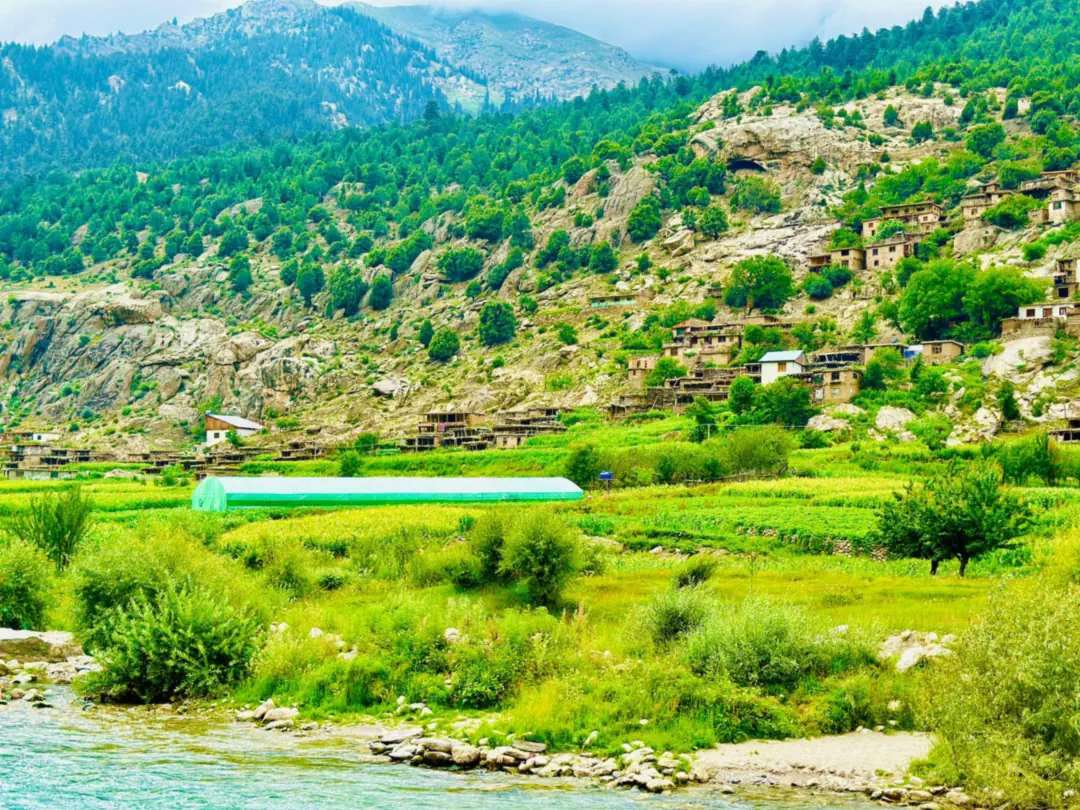
Height makes the difference in summer. Kabul averages about 32°C by day in July but 15°C at night, which is bearable, and Bamiyan about 25°C by day. Summer is the season for Bamiyan, Band-e Amir and the mountain valleys, when the roads are clear of snow. In Nuristan July and August bring thunderstorms and a risk of flash floods, as the edge of the Indian monsoon reaches the east of the province.
Autumn: September to November
Autumn is dry and settled, and the heat goes out of the plains. Kabul averages about 29°C by day in September and 22°C in October, with nights falling from about 9°C to 4°C. Herat and Mazar-i-Sharif are near 25°C by day in October, Kandahar about 28°C.
November turns cold in the mountains. Kabul's nights drop below freezing and Bamiyan's days average about 7°C. In Nuristan the season ends in October.
Winter: December to February
Kabul is cold in winter, with January days around 5°C and nights around -7°C. The city stays open. Bamiyan's modelled daytime averages are below freezing in January and February, and about 0°C in December. Jalalabad, about 600 metres up, is the warm place to go: its January days average about 16°C. Kandahar is mild too, at about 12°C.
In winter the difficulty is the roads. The Salang highway, the main road north from Kabul to Mazar-i-Sharif, is closed for spells every winter by snowfall, avalanches and wind. The road from Bamiyan to Band-e Amir needs clearing of snow in winter, although Bamiyan residents say the frozen lakes draw visitors who come to ski and play on the ice. Nuristan's high valleys are under snow and often cut off from December to March.
Region by region
- Kabul: May, September and October are best. Summer is hot by day but dry; winter is cold but the city stays open.
- Bamiyan and Band-e Amir: June to September, when the road is clear and the days are warm. Winter is for those who want the frozen lakes and can cope with the road.
- Mazar-i-Sharif: April, early May and October. The north is very hot in summer, and in winter the Salang road can close.
- Herat: April, early May and October. July and August are hot and dry.
- Kandahar: November to March for mild days. May to September are very hot.
- Jalalabad: October to March. It is the warmest of the places here in winter, and one of the hottest in summer.
- Nuristan: June, September and early October are the most reliable; the season runs from April to October.
Ramadan and the holidays in 2027
Islamic holidays move about eleven days earlier each year, and their exact dates are fixed only by the sighting of the moon, so these are expected dates. Tell us if your dates fall in Ramadan or over an Eid, and we will plan the trip around them.
| Holiday | Expected date |
|---|---|
| First day of Ramadan | 8 February |
| Eid al-Fitr, end of Ramadan | 10 to 12 March |
| Nowruz (an observance, not a public holiday) | 21 March |
| Day of Arafat, then Eid al-Adha (Eid al-Qurban) | 16 to 19 May |
| Ashura | 15 June |
| Independence Day | 19 August |
Tentative dates from timeanddate.com's calendar of Afghan holidays for 2027, read on 28 November 2026. Religious holidays may move by a day.
What we would choose
On these figures, for a first trip that takes in Kabul and Bamiyan, we would go in late May or in the second half of September. For Nuristan, June or September. For the lowland cities alone, Jalalabad and Kandahar in winter are pleasant when the mountains are not. And if you can only travel in midsummer, go high: Kabul and Bamiyan, not the plains.
Questions people ask
What is the best month to visit Afghanistan?
For most trips, May or late September to October. Kabul is then warm by day and dry or drying out, the plains of Herat, Mazar and Kandahar are not yet or no longer at their hottest, and the roads into the mountains are open. For Nuristan the most reliable months are June, September and early October.
Is it cold in Kabul in winter?
Yes. Kabul is about 1,800 metres up, and in the measured averages January days reach about 5°C and nights fall to about -7°C. December to February are the cold months. Jalalabad, three to four hours east by road and much lower, has January days of about 16°C.
When is Ramadan in 2027?
Ramadan is expected to begin on or about 8 February 2027, with Eid al-Fitr on about 10 March and two further days of holiday after it. The exact dates depend on the sighting of the moon and are announced only a day or so before.
Can you visit Afghanistan in winter?
The cities, yes: Kabul is cold but open, and Jalalabad and Kandahar are mild. The high roads close for spells. The Salang highway north of Kabul is closed for spells every winter by snow, avalanches and wind, the road from Bamiyan to Band-e Amir has to be cleared of snow, and Nuristan's high valleys are under snow and often cut off from December to March.
How hot is Afghanistan in summer?
On the plains, very. In July the measured average high is about 40°C in Kandahar, 39°C in Mazar-i-Sharif and Jalalabad, and 37°C in Herat. Kabul, being high, averages about 32°C by day and 15°C at night, and Bamiyan's modelled average is about 25°C.
Sources
- NOAA: WMO climate normals 1961 to 1990, Kabul station 40948 (measured 1956 to 1983), archived copy
- NOAA: WMO climate normals, Herat station 40938, archived copy
- NOAA: WMO climate normals, Mazar-i-Sharif station 40911, archived copy
- NOAA: WMO climate normals, Kandahar station 40990, archived copy
- NOAA: WMO climate normals, Jalalabad station 40954, archived copy
- ERA5 reanalysis, 1991 to 2020, through the Open-Meteo archive (the modelled figures for Bamiyan)
- timeanddate.com: Holidays and observances in Afghanistan in 2027 (tentative dates)
- Pajhwok Afghan News: Snowfall closes Salang highway for heavy traffic (27 December 2020)
- Pakistan Observer: Winter tourism at Band-e-Amir should be supported, Bamiyan residents (January 2024, after Tolonews)